
Longevity Skincare
Products that embody this.
Editorially selected from our ranked archive.
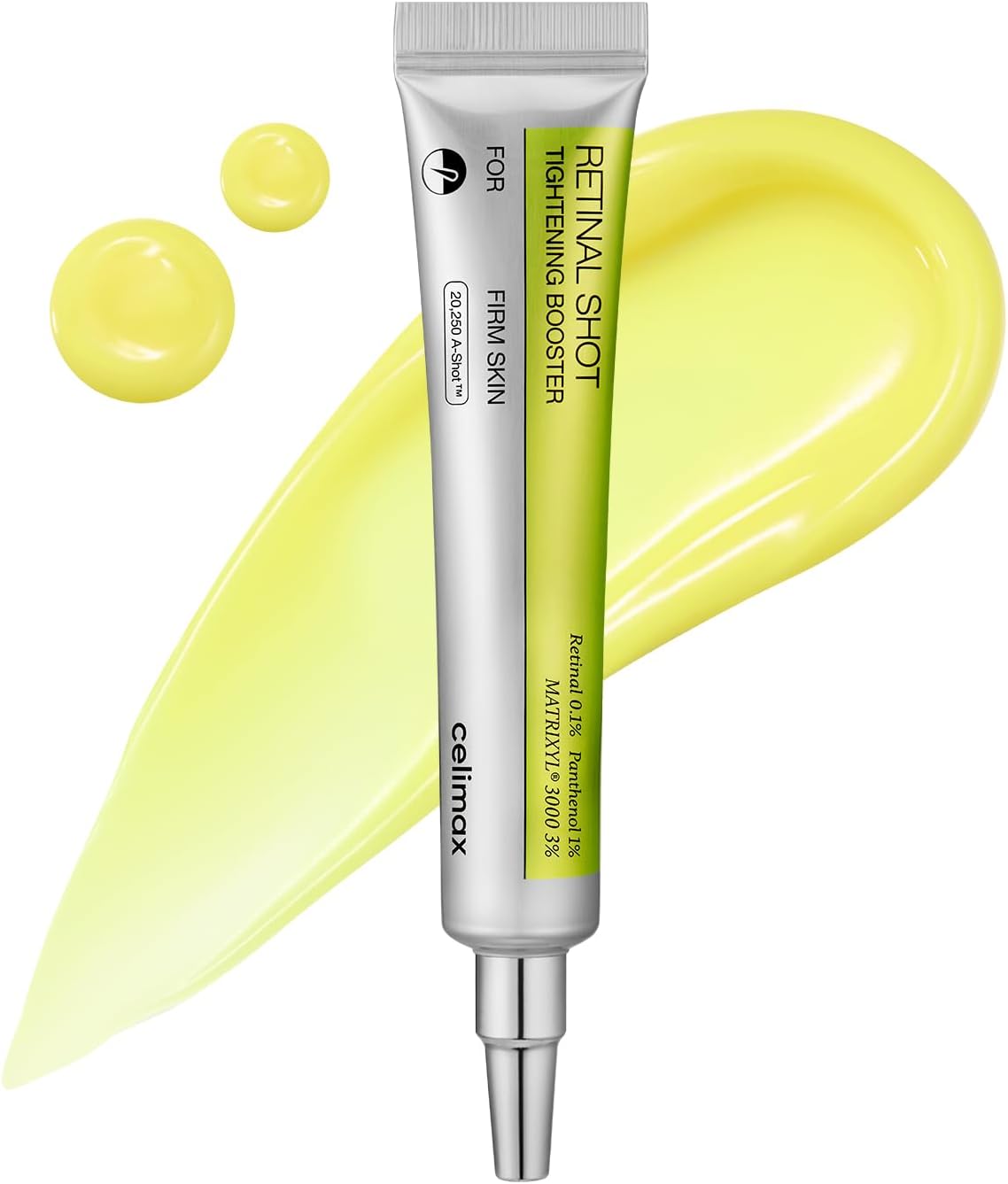
Medik8 Crystal Retinal 10
Medik8
“High-potency retinol serum targeting the fibroblast collagen synthesis pathway — the longevity stack foundation.”
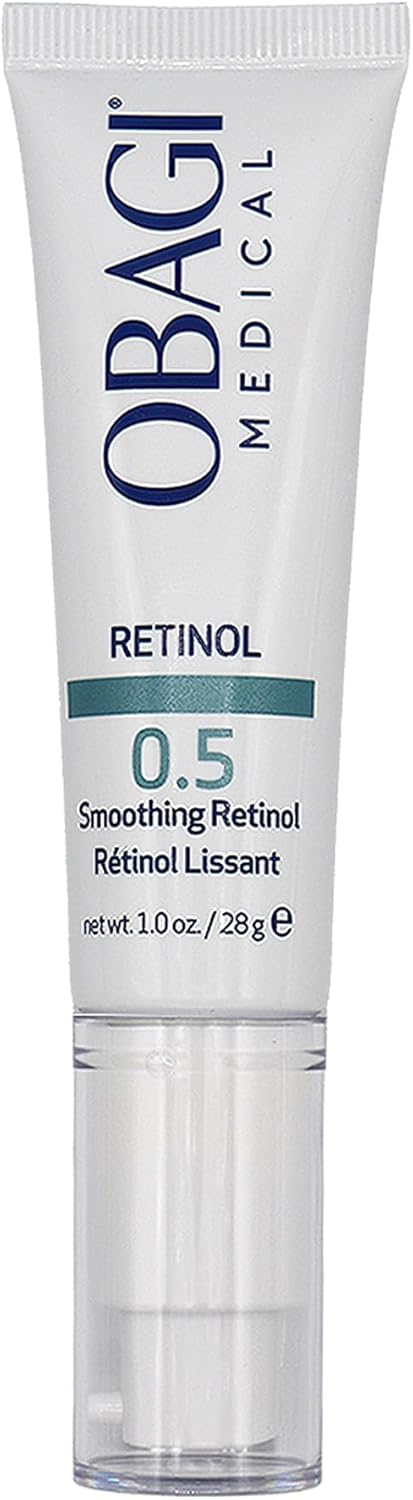
SkinCeuticals Retinol 0.5 Refining Night Cream
SkinCeuticals
“Retinol + peptide combination serum addressing multiple longevity pathways simultaneously.”
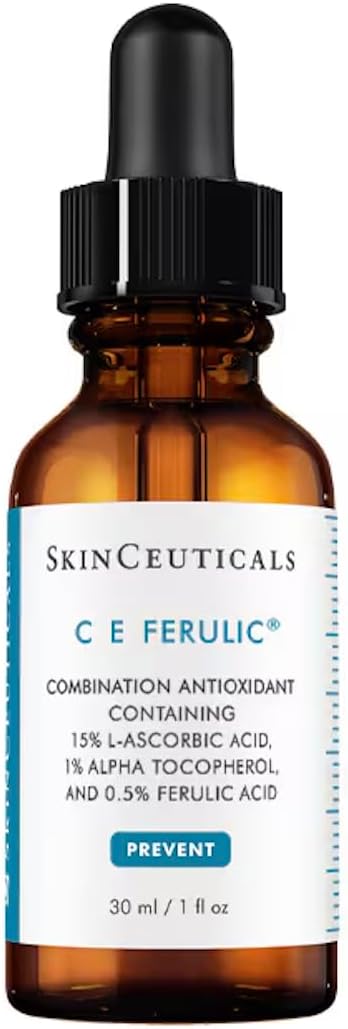
SkinCeuticals C E Ferulic
SkinCeuticals
“Niacinamide serum as NAD+ precursor — the accessible longevity active with the strongest population data.”
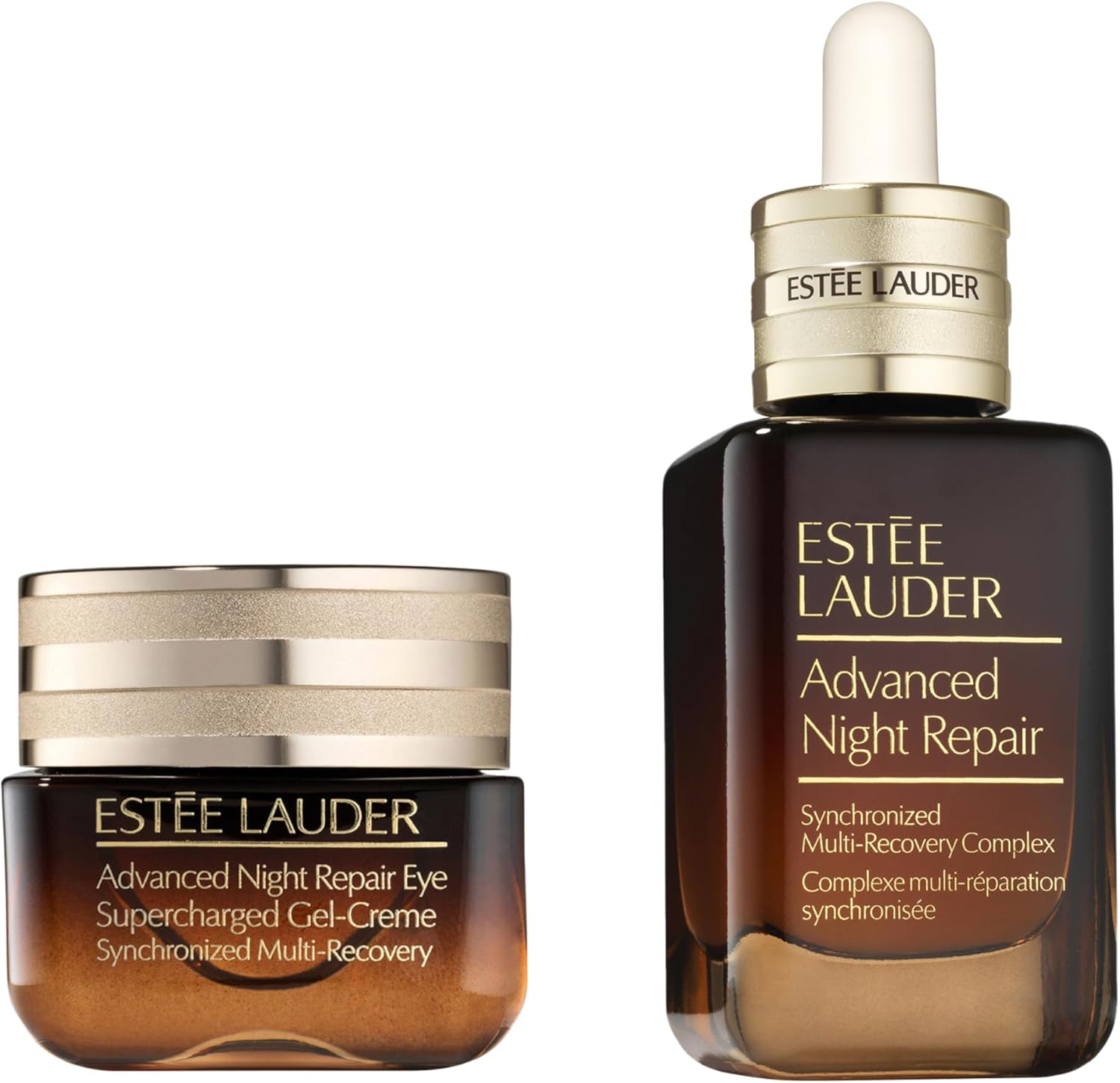
Estee Lauder Advanced Night Repair
Estee Lauder
“Growth factor + peptide serum for fibroblast stimulation and collagen architecture remodeling.”
SkinCeuticals C E Ferulic
SkinCeuticals
“L-ascorbic acid serum for oxidative stress protection — foundational antioxidant in the longevity stack.”
Products that extend cellular health, not just hide aging. Biggest 2026 skincare trend.
What Is Longevity Skincare?
Longevity skincare is the 2026 megatrend reframing anti-aging from cosmetic concealment to biological intervention. Rather than products that reduce the visible appearance of aging (foundation, colour correction, plumping serums that temporarily inflate fine lines), longevity skincare targets the cellular mechanisms of skin aging: senescent cell accumulation, mitochondrial dysfunction, telomere shortening, oxidative damage, and the progressive decline of fibroblast collagen synthesis capacity. The category draws from the broader longevity medicine movement — influenced by researchers like David Sinclair, Aubrey de Grey, and the clinical work at institutions like the Karolinska Institute — and translates its concepts into topical formulations. Key ingredients include NAD+ precursors (niacinamide, NMN), senolytics (quercetin, fisetin), exosomes, growth factors, and next-generation retinoids. The market segment is projected to grow from $4.2 billion in 2024 to $11.8 billion by 2029.
“Skin aging proceeds through two overlapping mechanisms: intrinsic aging (genetically programmed cellular decline) and extrinsic aging (UV, pollution, oxidative stress).”
Why it works.
Skin aging proceeds through two overlapping mechanisms: intrinsic aging (genetically programmed cellular decline) and extrinsic aging (UV, pollution, oxidative stress). At the cellular level, dermal fibroblasts progressively lose their ability to synthesize collagen I and III — fibroblast collagen output declines approximately 1% per year after age 25. Cellular senescence — a state where damaged cells stop dividing but remain metabolically active and secrete pro-inflammatory SASP factors (IL-6, IL-8, MMP-3) — accelerates this decline. NAD+ levels in skin cells drop 50% between ages 20 and 50, impairing the sirtuin enzymes that regulate DNA repair, mitochondrial biogenesis, and stress resistance. NMN (nicotinamide mononucleotide) topical application has been shown in two 2024 studies to partially restore NAD+ in keratinocytes. Exosomes derived from mesenchymal stem cells carry growth factors and miRNAs that reprogram fibroblast gene expression toward a more youthful state.
How to try longevity skincare.
Begin with the longevity skincare basics already proven at scale: sunscreen (UV damage is the dominant driver of extrinsic aging), retinol or retinoid (the single most evidence-backed anti-aging topical), and vitamin C serum (antioxidant protection against oxidative aging). For advanced longevity skincare, add: a niacinamide serum (NAD+ precursor; 10% concentration for maximum benefit), a growth factor serum (look for EGF or bFGF), and an NMN-containing product if you want to explore the frontier. Use the advanced products at night, when cellular repair mechanisms are most active. Avoid blue light exposure in the hours before sleep — it disrupts the circadian gene expression that regulates skin cell turnover.
Key products & habits
Questions, answered.
Related dispatches.

Retinol Stack
Retinol remains #1 searched skincare ingredient globally. Stack with peptides and SPF.
Read →
PDRN Skincare
K-Beauty regenerative ingredient (salmon DNA). One of the most-searched terms of 2025.
Read →
Neurocosmetics
'Mood-boosting beauty' - skincare that impacts your mental well-being. Emerging 2026 search trend.
Read →- 1.Cell Metabolism — NAD+ Decline and Skin Aging (2024)
- 2.Nature Aging — Cellular Senescence in Skin Fibroblasts (2023)
- 3.Journal of Cosmetic Dermatology — NMN Topical Absorption Study (2024)
- 4.Grand View Research — Longevity Skincare Market Forecast 2024–2029