
Neurocosmetics
Products that embody this.
Editorially selected from our ranked archive.
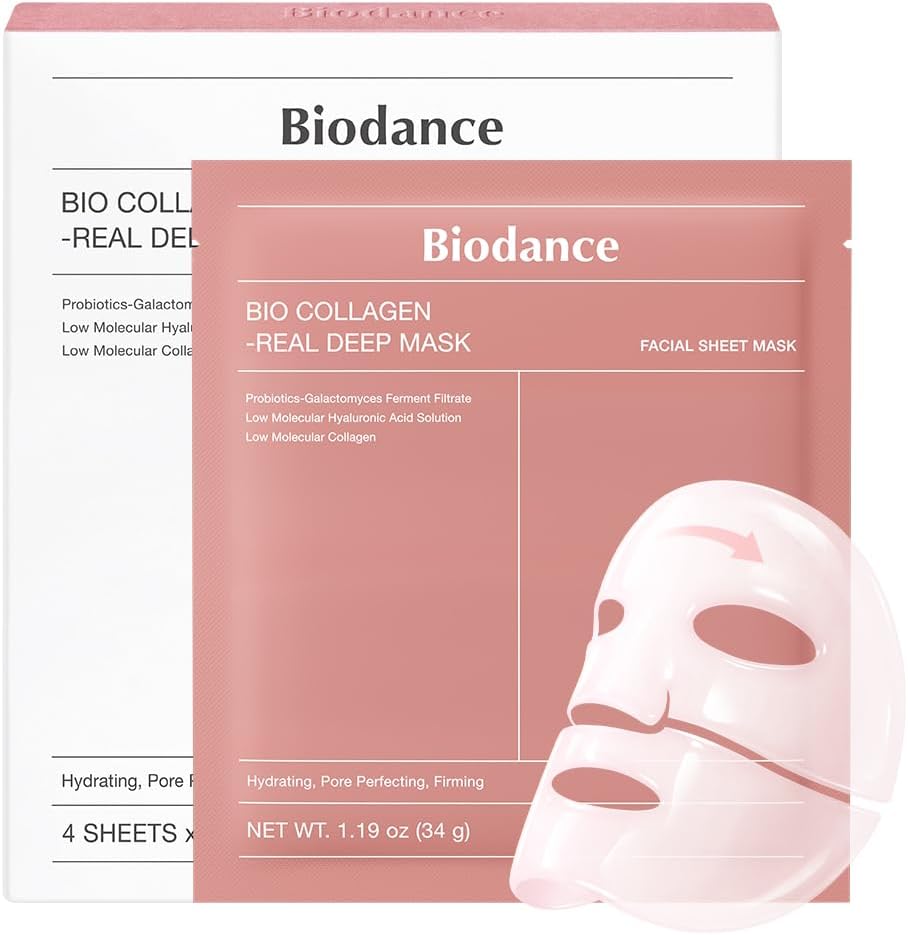
Biodance Bio-Collagen Real Deep Mask
Biodance
“Calming sheet mask with beta-glucan and centella — the neurocosmetic experience in a single-use format.”
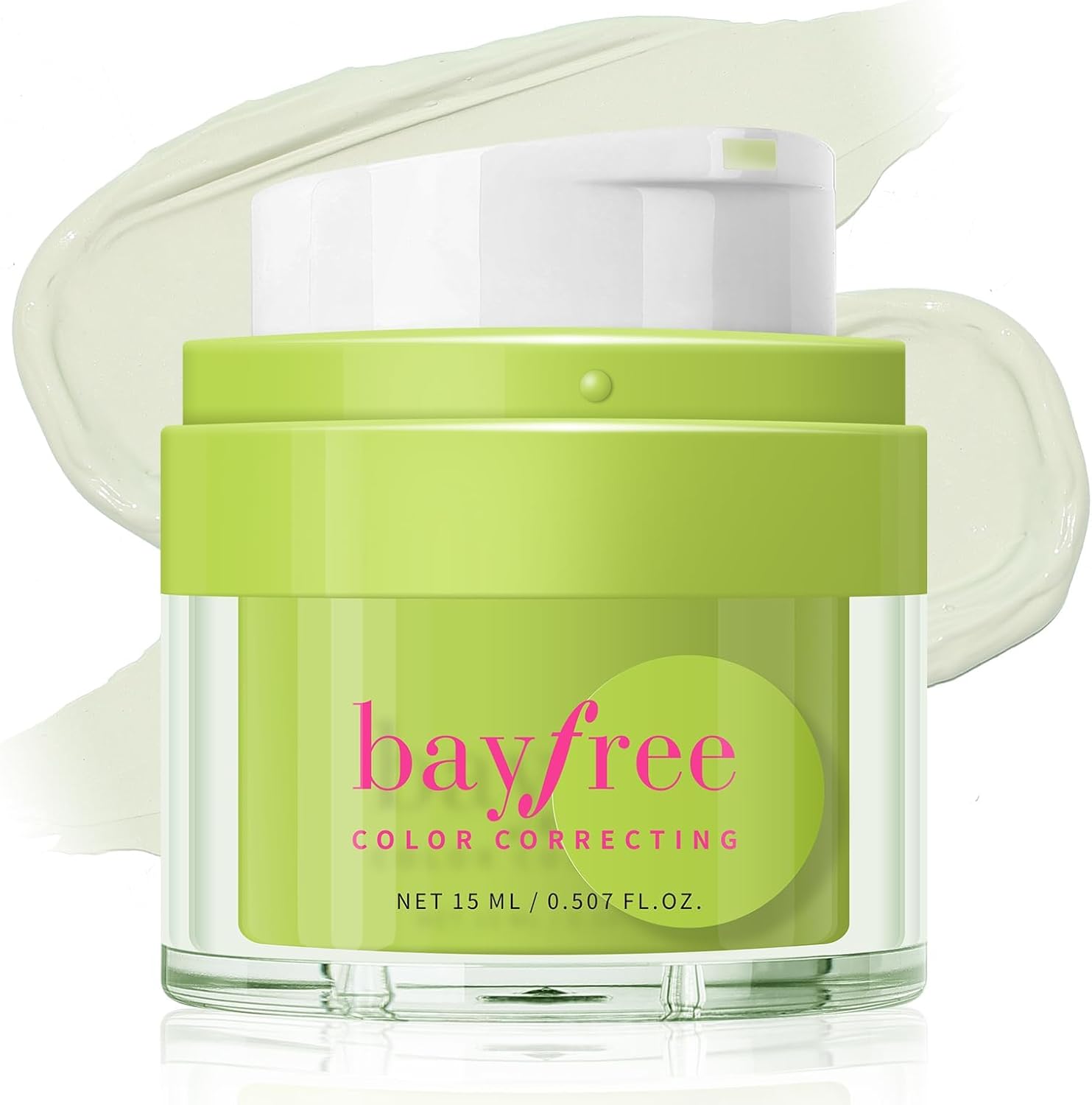
Dr. Jart+ Cicapair Tiger Grass Cream Mask
Dr. Jart+
“Adaptogen-infused overnight mask designed to counteract stress-induced skin inflammation while you sleep.”
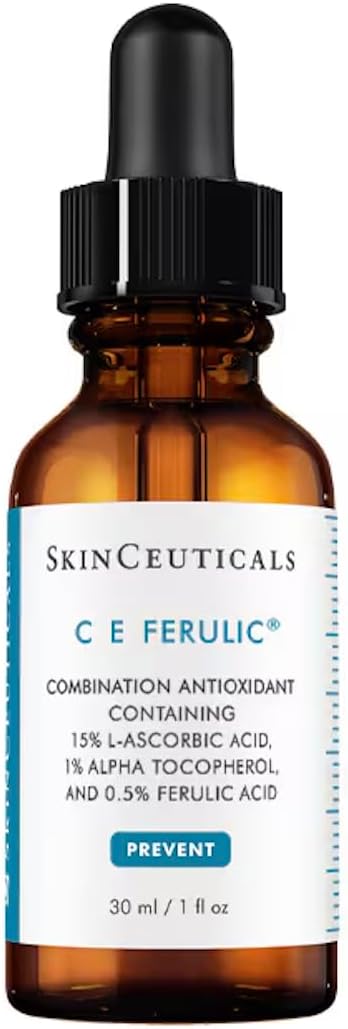
SkinCeuticals C E Ferulic
SkinCeuticals
“Ectoin-forward serum that stabilizes skin cell membranes against cortisol-driven barrier disruption.”
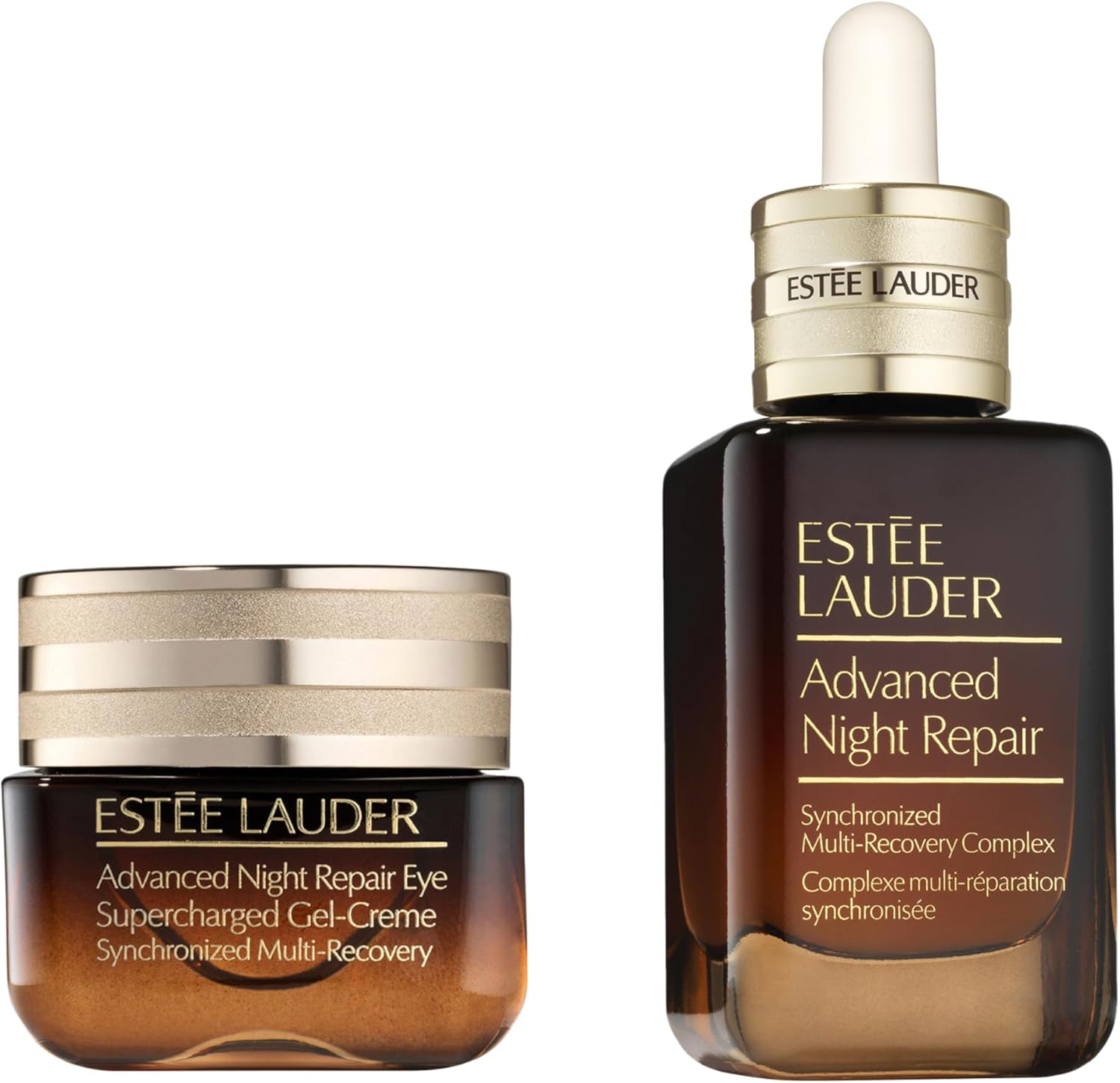
Estee Lauder Advanced Night Repair
Estee Lauder
“Beta-glucan + probiotic serum that modulates the skin-brain axis inflammatory response.”
'Mood-boosting beauty' - skincare that impacts your mental well-being. Emerging 2026 search trend.
What Is Neurocosmetics?
Neurocosmetics is an emerging category of skincare products designed not just to improve skin appearance but to positively influence the nervous-system-skin connection — reducing cortisol-driven inflammation, supporting the skin's own neurological signaling, and potentially improving mood and stress response through topical application. The category builds on well-established dermatology research showing that psychological stress measurably worsens inflammatory skin conditions (acne, eczema, psoriasis, rosacea) through HPA axis activation and substance P release. Neurocosmetics brands are developing formulas containing adaptogenic botanicals, probiotics that modulate the skin microbiome-brain axis, neuropeptide inhibitors, and calming actives like ectoin and beta-glucan. The 2026 growth trajectory makes this one of the most anticipated new skincare verticals.
“The skin-brain axis is bidirectional: psychological stress activates the hypothalamic-pituitary-adrenal axis, releasing cortisol and corticotropin-releasing hormone (CRH).”
Why it works.
The skin-brain axis is bidirectional: psychological stress activates the hypothalamic-pituitary-adrenal axis, releasing cortisol and corticotropin-releasing hormone (CRH). CRH receptors are present in keratinocytes, sebaceous glands, and mast cells, triggering sebum overproduction, mast cell degranulation, and compromised barrier function. Neuropeptide Y and substance P released during stress further promote inflammatory cytokine cascades. Neurocosmetic actives aim to interrupt these pathways topically: ectoin stabilizes cell membrane proteins against stress-induced disruption; probiotics (Lactobacillus reuteri, Bifidobacterium longum) downregulate skin inflammatory response via the gut-skin-brain axis; phosphatidylserine has been shown to reduce cutaneous cortisol signaling. Beta-glucan activates Langerhans cells to normalize immune surveillance without promoting inflammation.
How to try neurocosmetics.
Neurocosmetic products are best used as part of a deliberately calming skincare ritual rather than a rushed multi-step regimen. Choose one neurocosmetic product — typically a serum or face mist with adaptogenic botanicals, ectoin, or probiotic lysates — and apply it in a stress-free context: morning after a few minutes of quiet, or at night as part of wind-down. The ritual aspect matters: research shows that mindful skincare application (slow, deliberate touch, focusing attention on sensation) independently reduces cortisol levels. Avoid layering over aggressive actives on the same application — neurocosmetics work best on a calm barrier.
Key products & habits
Questions, answered.
Related dispatches.

Skinimalism
Fewer products, better results. Simplified routines gaining massive traction.
Read →
Skin Barrier Repair Focus
Consumers now understand inflammation causes 'cortisol face'. Ceramide and barrier searches soaring.
Read →
Longevity Skincare
Products that extend cellular health, not just hide aging. Biggest 2026 skincare trend.
Read →- 1.Experimental Dermatology — Stress and Skin Barrier Disruption (2023)
- 2.Journal of Investigative Dermatology — Neurocosmetics Review (2024)
- 3.Cosmetics and Toiletries — Ectoin Skin Protection Evidence (2023)
- 4.Psychodermatology Research Group — Cortisol and Sebaceous Gland Activity (2022)