
Retinol Stack
Products that embody this.
Editorially selected from our ranked archive.
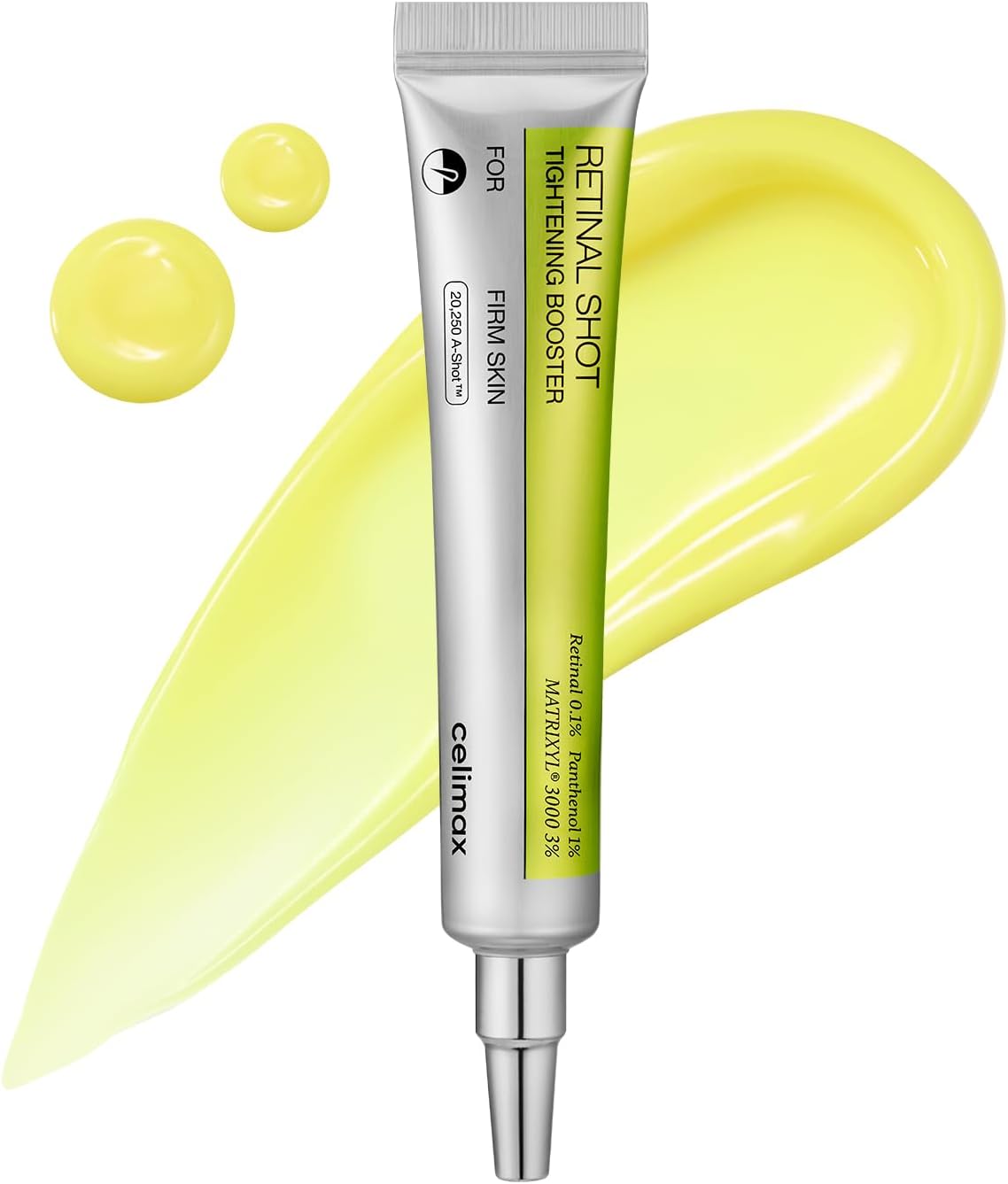
Medik8 Crystal Retinal 10
Medik8
“The gold-standard retinol formulation for building a stack — pairs with peptide serum for synergistic anti-aging.”
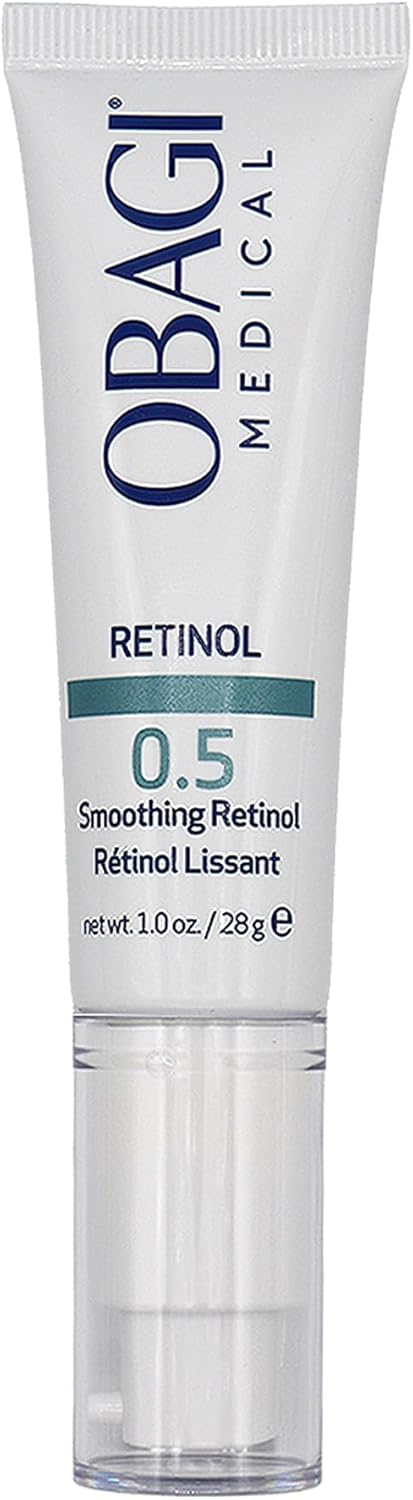
SkinCeuticals Retinol 0.5 Refining Night Cream
SkinCeuticals
“Encapsulated retinol technology reduces irritation while maintaining efficacy — ideal stack base.”
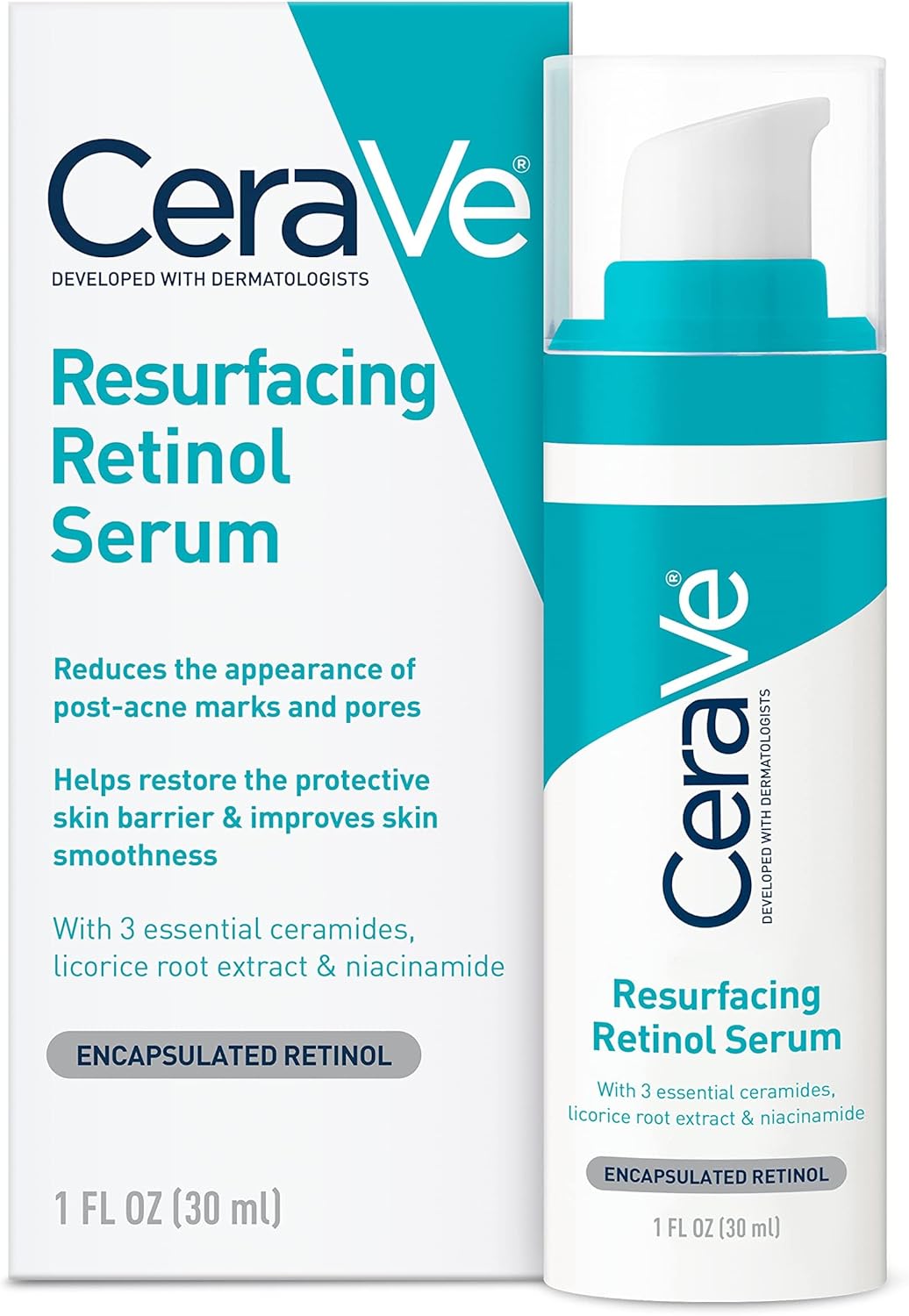
CeraVe Skin Renewing Retinol Serum
CeraVe
“Peptide-fortified retinol formula that embodies the stack philosophy in a single product.”
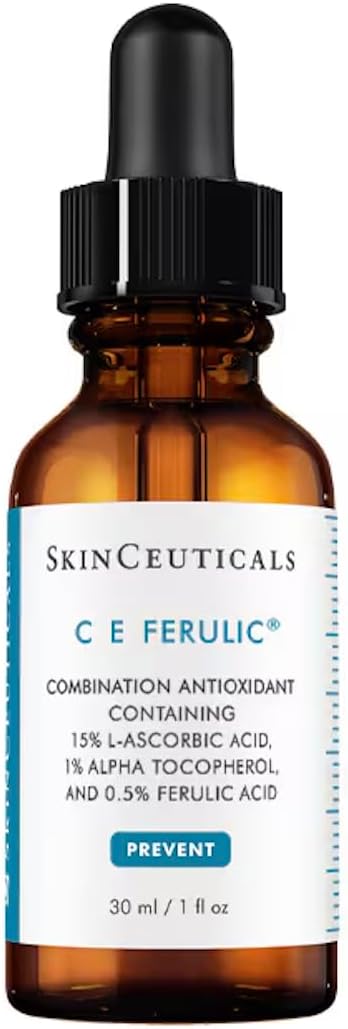
SkinCeuticals C E Ferulic
SkinCeuticals
“Niacinamide serum that suppresses retinol-induced inflammation — the perfect stack companion.”
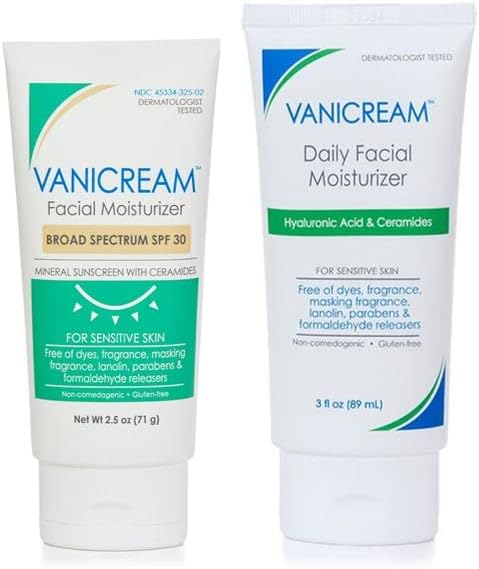
Vanicream Daily Facial Moisturizer
Vanicream
“Ceramide-rich moisturizer seals the retinol stack and restores barrier integrity overnight.”
Retinol remains #1 searched skincare ingredient globally. Stack with peptides and SPF.
What Is Retinol Stack?
Retinol stacking is the practice of layering a retinol serum with complementary actives — typically peptides, niacinamide, or a ceramide moisturizer — to amplify anti-aging results while managing the classic irritation retinol is known for. Rather than using retinol alone and pushing through the peeling and redness, the stack approach builds a protective scaffold around the active so skin gets the cell-turnover benefits without the compromised barrier that often forces people to stop. The trend took off in 2024 when dermatologists began openly discussing "retinol sandwiching" on social media, and it rapidly expanded into a broader philosophy: every powerful active deserves a supporting cast. By 2025, searches for "retinol with peptides" had surpassed searches for plain retinol in several key markets.
“Retinol (vitamin A) works by binding to nuclear retinoic acid receptors, accelerating keratinocyte turnover and upregulating collagen I and III synthesis.”
Why it works.
Retinol (vitamin A) works by binding to nuclear retinoic acid receptors, accelerating keratinocyte turnover and upregulating collagen I and III synthesis. The irritation it causes is a known side effect of rapid desquamation and transient barrier disruption. Peptides — particularly Matrixyl 3000 (palmitoyl tripeptide-1 and palmitoyl tetrapeptide-7) — independently stimulate fibroblasts to produce collagen, creating a synergistic anti-aging effect without competing pathways. Ceramides (NP, AP, EOP) replenish the lamellar body structures in the stratum corneum that retinol transiently damages, cutting transepidermal water loss (TEWL) by up to 40% in clinical studies. Niacinamide suppresses the prostaglandin-mediated inflammation retinol triggers, reducing redness without inhibiting the retinoid mechanism. The combination is pharmacologically additive, not merely tolerability-focused.
How to try retinol stack.
Start with a 0.025–0.05% retinol serum applied to dry skin two nights per week. Immediately follow with a peptide-rich serum while skin is still slightly tacky, then seal with a ceramide moisturizer. This is the "sandwich" protocol. On off nights, use niacinamide serum instead of retinol to maintain brightening continuity without active-on-active conflict. After four weeks of tolerance, increase retinol nights to three or four per week. Avoid pairing retinol with AHAs/BHAs or vitamin C on the same evening — save those for the morning routine or alternate nights.
Key products & habits
Questions, answered.
Related dispatches.

Hyaluronic Acid + Ceramide Combo
Barrier-first hydration. HA + Ceramide is the most recommended combo by derms.
Read →
Skin Cycling
Alternating active ingredients (retinol, exfoliant, recovery) on a weekly schedule.
Read →
Skin Barrier Repair Focus
Consumers now understand inflammation causes 'cortisol face'. Ceramide and barrier searches soaring.
Read →- 1.Journal of Dermatological Science, Retinol and Collagen Synthesis (2023)
- 2.Cosmetic Dermatology Journal, Ceramide Barrier Repair (2024)
- 3.Google Trends — retinol + peptides search volume peak Q1 2025
- 4.Cosmetic Ingredient Review — Niacinamide Safety Assessment