What this guide helps you decide
Main decision
Hydration support versus Lightweight emollient support.
Routine fit
Most relevant when you are shopping in serums, moisturizers.
What to focus on
Dehydrated skin versus Dryness and softness.
Hyaluronic acid and squalane both help skin feel better, but one adds water support while the other adds cushioning and reduced moisture loss. Knowing which problem you are trying to solve makes the choice much easier.
Main decision
Hydration support versus Lightweight emollient support.
Routine fit
Most relevant when you are shopping in serums, moisturizers.
What to focus on
Dehydrated skin versus Dryness and softness.
| Factor | Hyaluronic Acid | Squalane |
|---|---|---|
| Main job | Hydration support | Lightweight emollient support |
| Best for | Dehydrated skin | Dryness and softness |
| Texture | Usually water-light | Silky and oil-like |
Choose Hyaluronic Acid
Hydration support
Dehydrated skin
Choose Squalane
Lightweight emollient support
Dryness and softness
Ingredient hub
Hyaluronic acid is a hydration-first humectant that helps skin look plumper and feel more comfortable when paired with barrier-supporting products.
Ingredient hub
Squalane is a lightweight emollient that helps soften skin and reduce moisture loss without the heaviness of richer oils.
These ranked products are the fastest way to turn the comparison above into a real shopping decision. They were pulled from categories most closely tied to this guide.
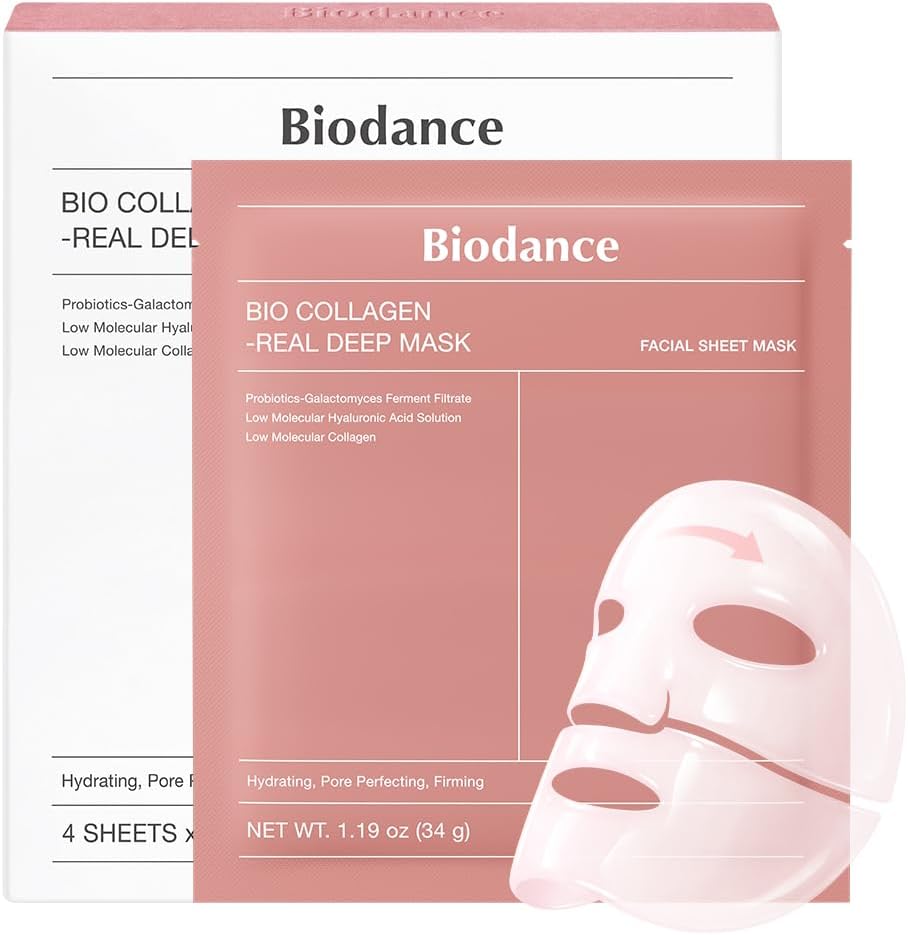
Biodance
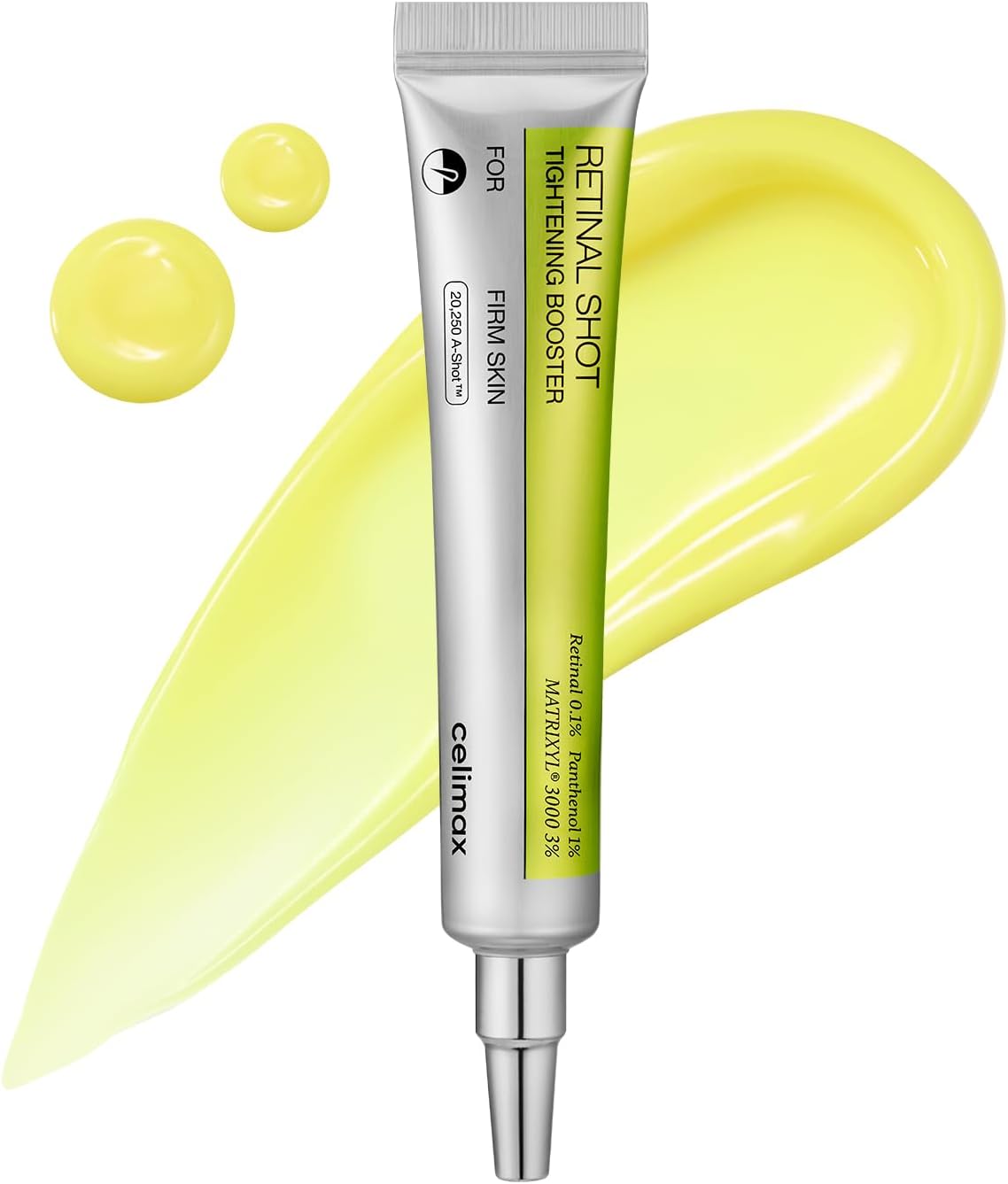
Medik8
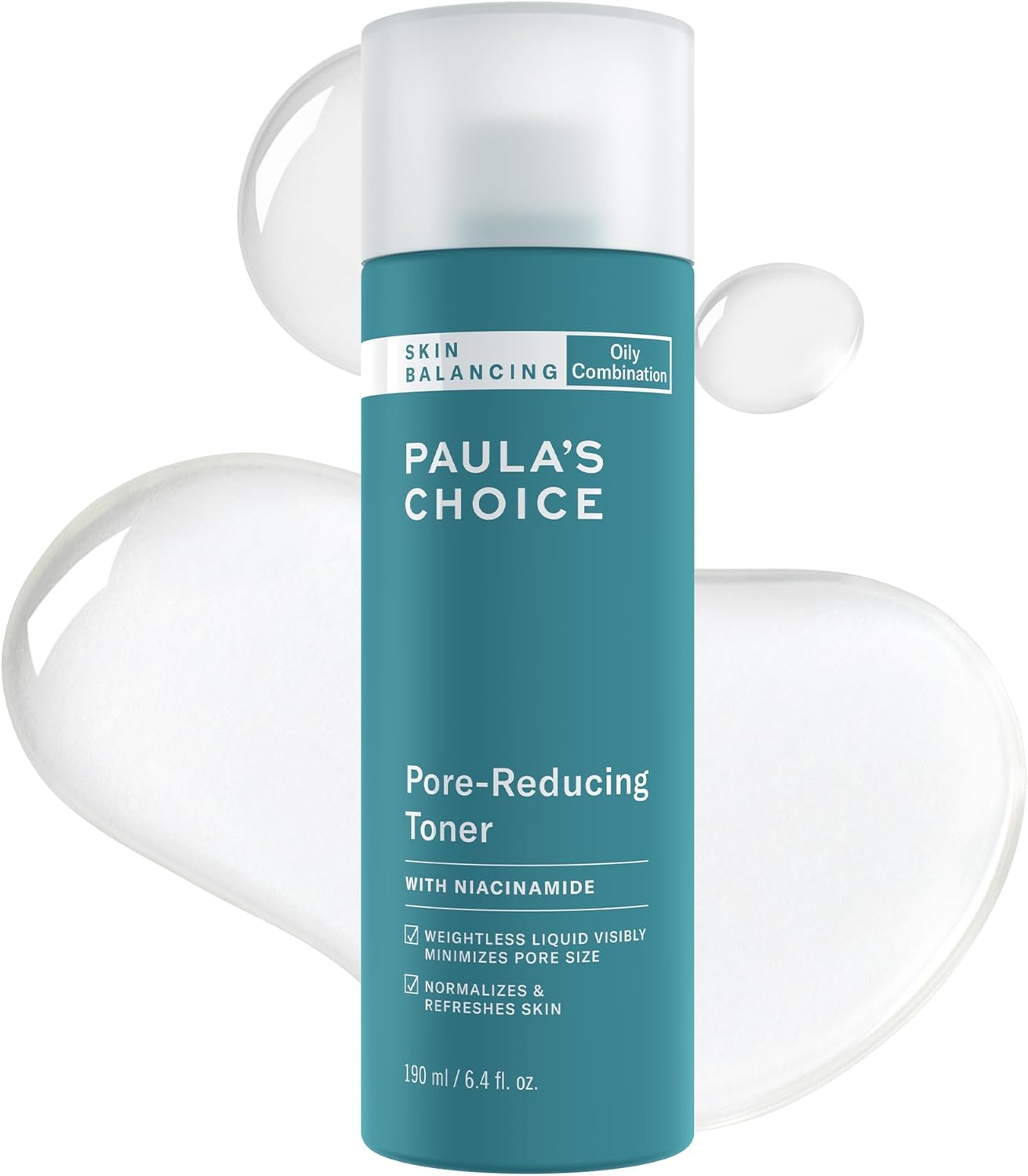
Paula's Choice
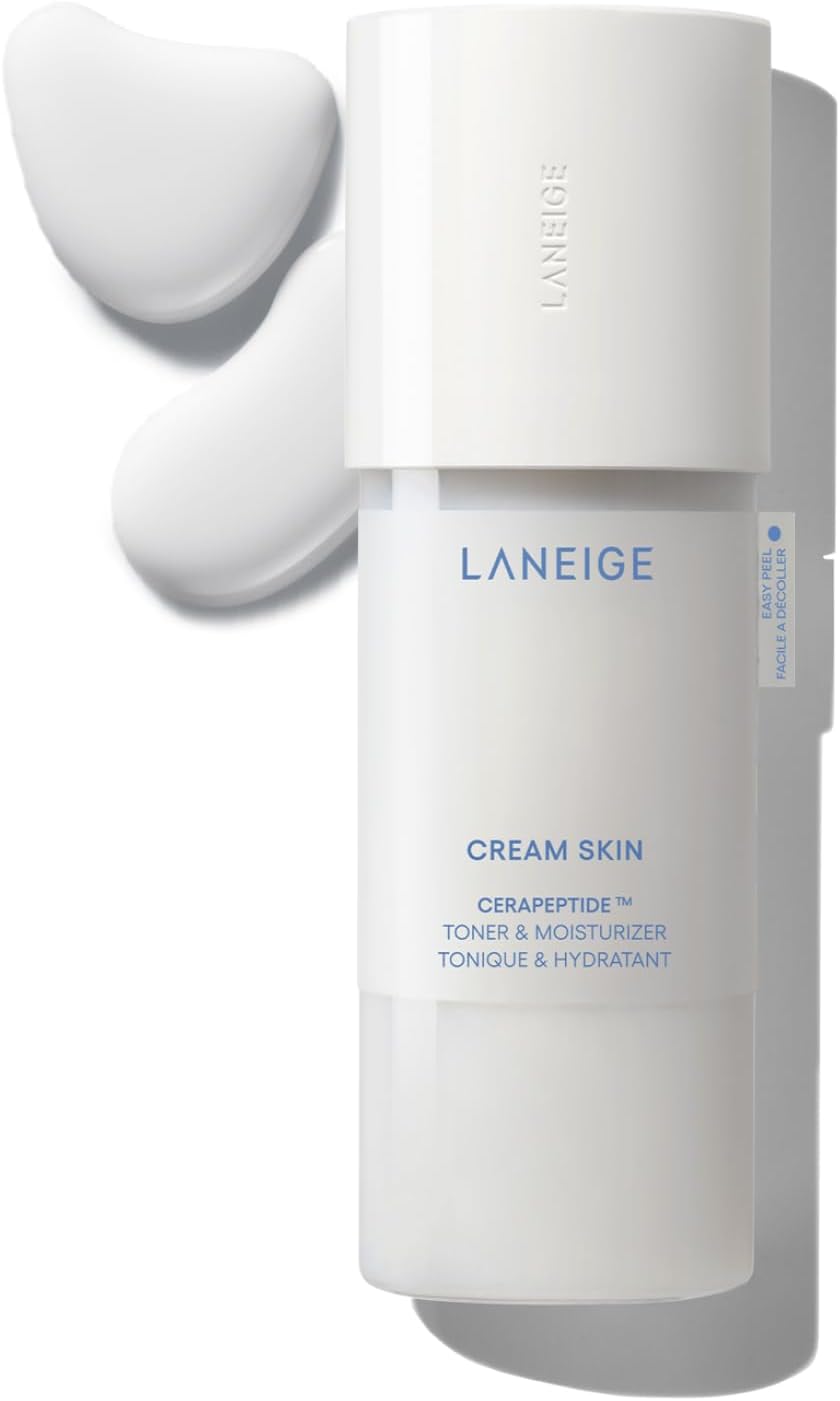
Laneige
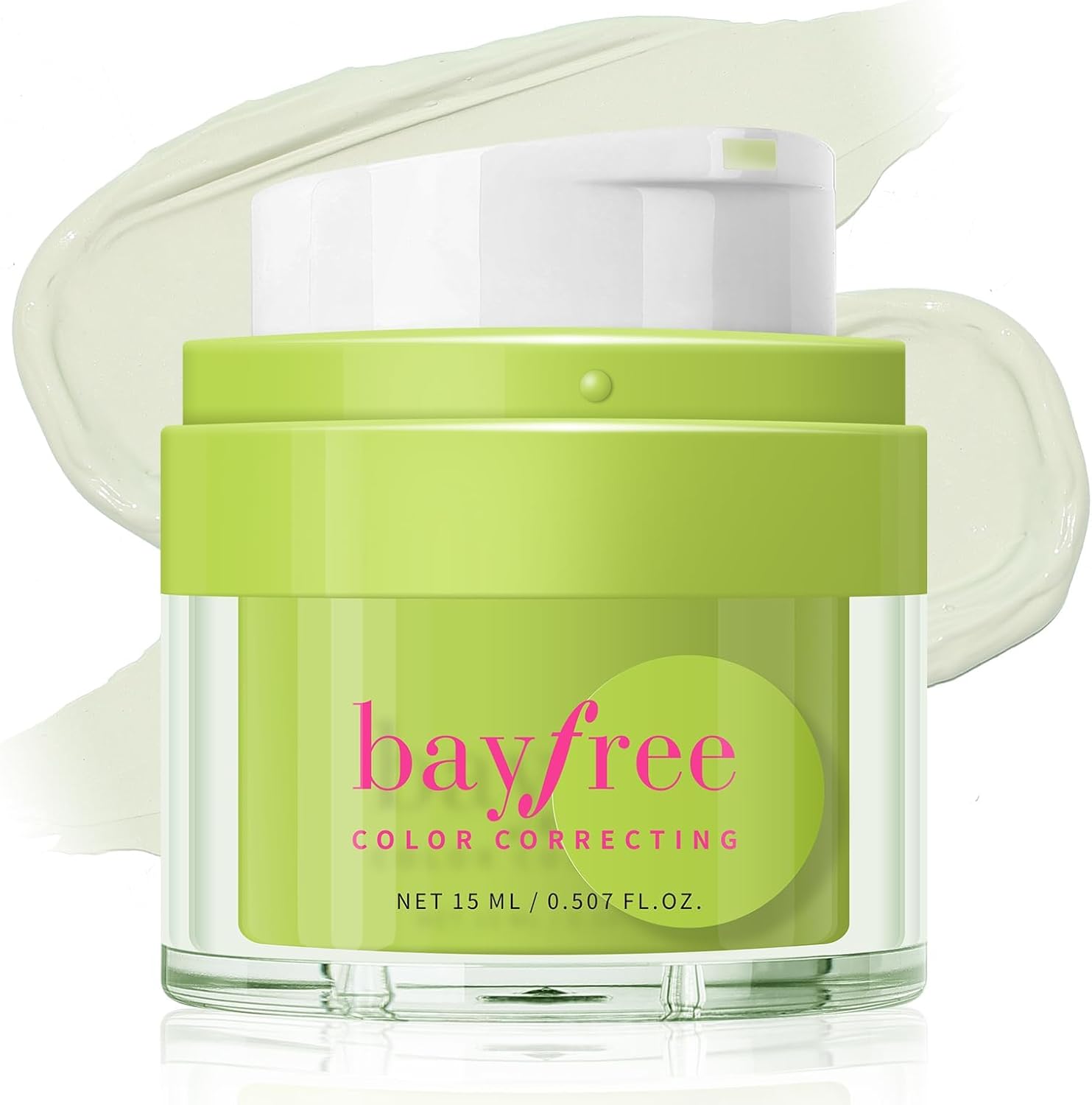
Dr. Jart+
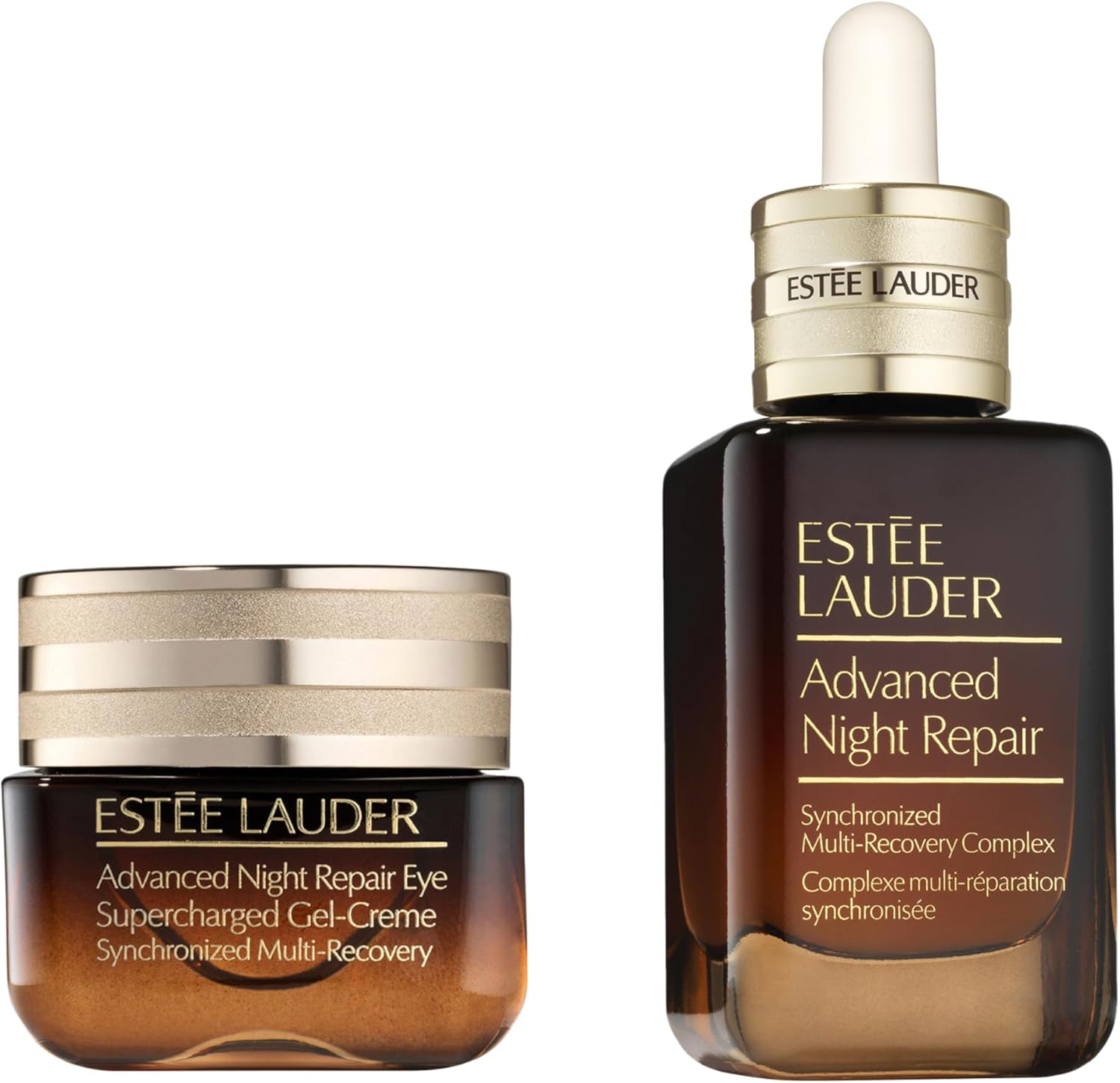
Estee Lauder
Skin tolerance
Match strength to how much irritation, stinging, or dryness your current routine can realistically support.
Routine role
Use this comparison to decide whether you need a treatment step, a support step, or a simpler formula that helps you stay consistent.
Where to shop next
The most relevant categories here are Face Serums, Face Moisturizers.
Pick hyaluronic acid when your skin feels dehydrated and tight. Pick squalane when you want a softer, more cushioned finish and better moisture retention.
Yes. Many routines use hyaluronic acid first and squalane later to help seal in comfort.
Hyaluronic acid is usually the lighter-feeling option, though some oily skin types still like a small amount of squalane.