Skincare Guide

Ceramides vs Hyaluronic Acid

Ceramides and hyaluronic acid both support hydration, but they do it in different ways. Hyaluronic acid draws water into the skin, while ceramides help hold moisture in by reinforcing the barrier.

What this guide helps you decide

Main decision

Barrier support and moisture retention versus Water-binding hydration support.

Routine fit

Most relevant when you are shopping in moisturizers, serums.

What to focus on

Dry, reactive, over-treated skin versus Dehydrated, tight-feeling skin.
Quick comparison

FactorCeramidesHyaluronic Acid
Primary roleBarrier support and moisture retentionWater-binding hydration support
Best forDry, reactive, over-treated skinDehydrated, tight-feeling skin
Best together?YesThey complement each other well

How to make the call

Choose Ceramides

Barrier support and moisture retention

Dry, reactive, over-treated skin

Choose Hyaluronic Acid

Water-binding hydration support

Dehydrated, tight-feeling skin

Products to compare next

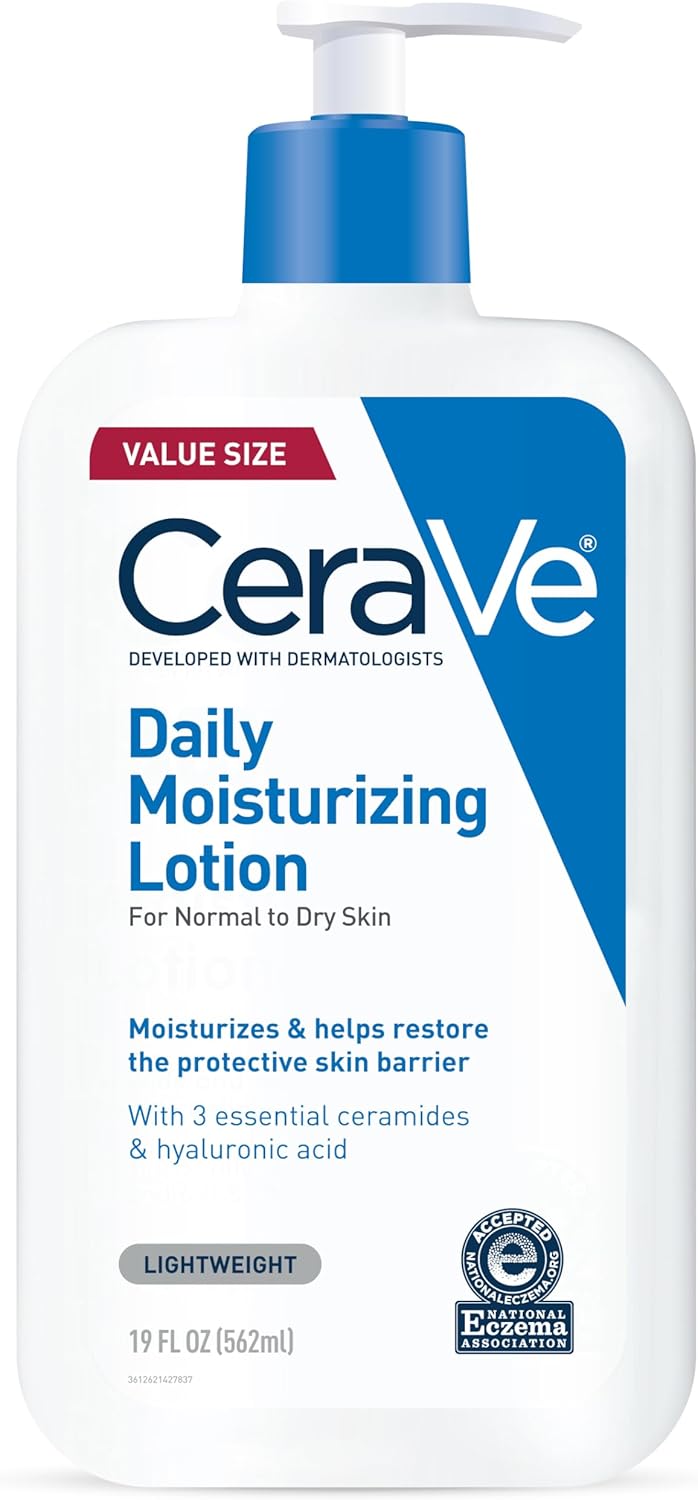
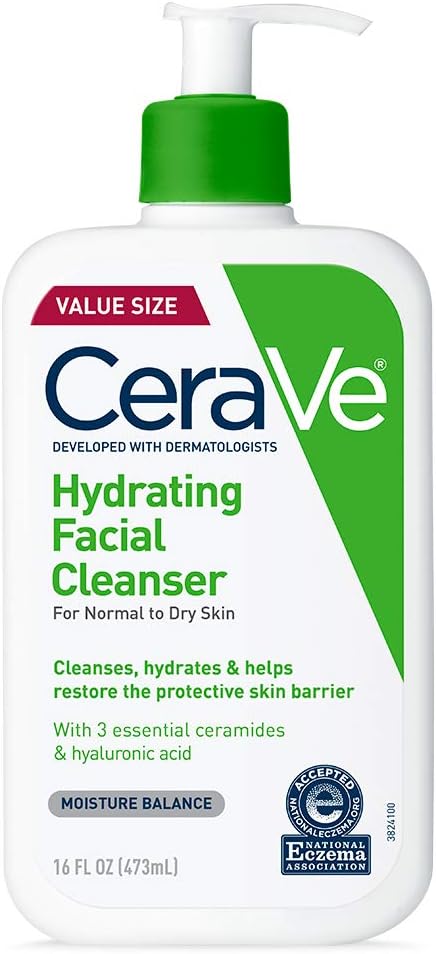
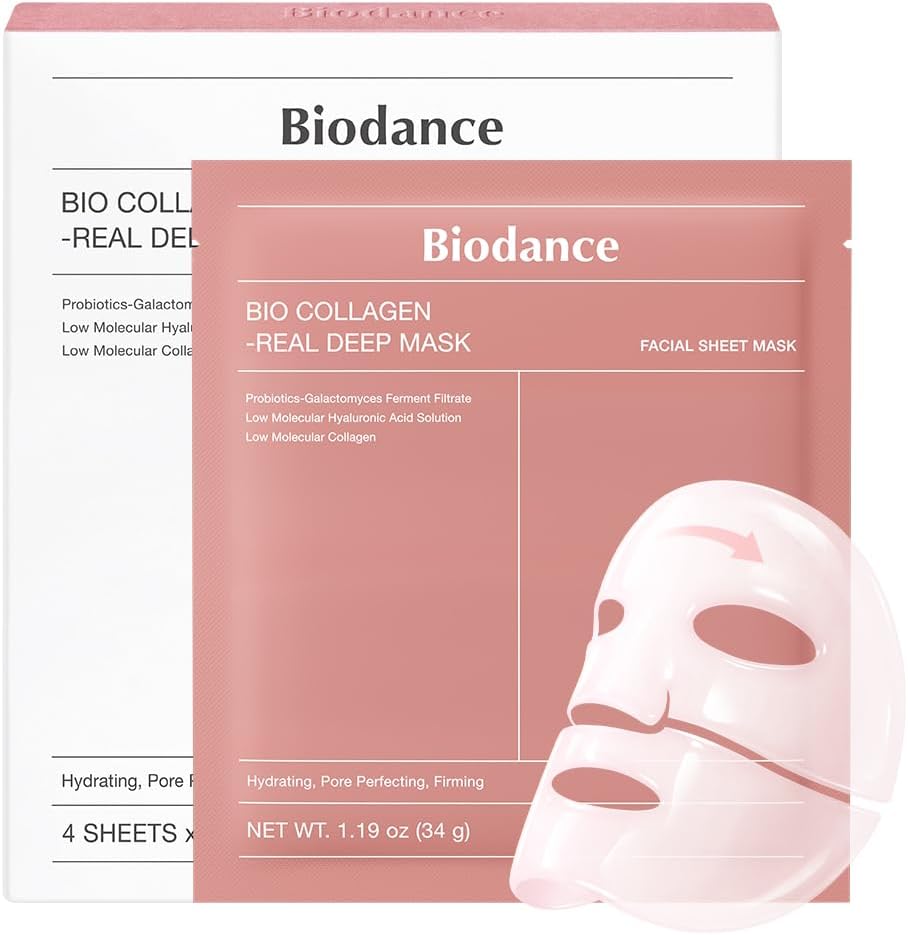
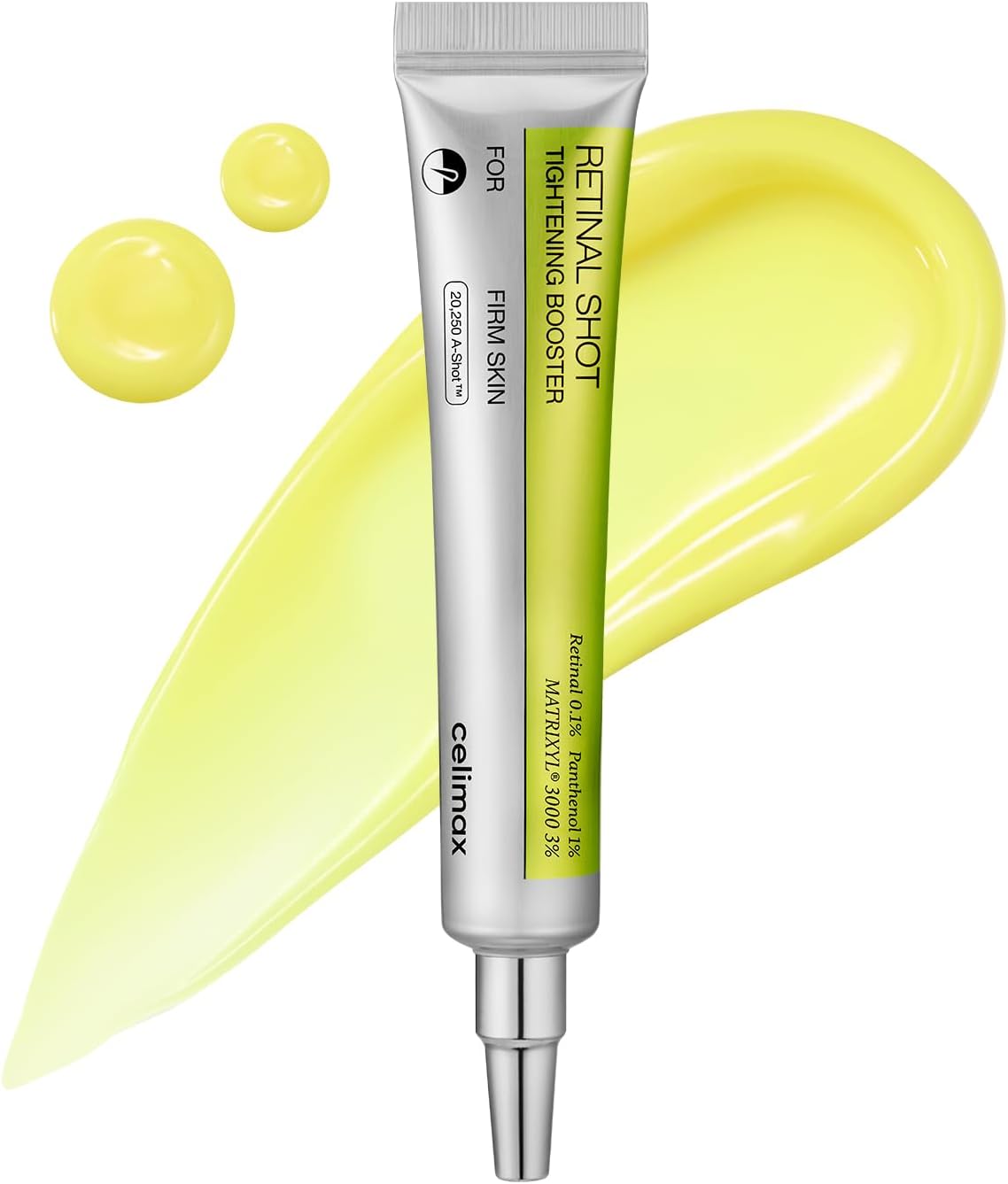
These ranked products are the fastest way to turn the comparison above into a real shopping decision. They were pulled from categories most closely tied to this guide.

Shopping checklist

Skin tolerance

Match strength to how much irritation, stinging, or dryness your current routine can realistically support.

Routine role

Use this comparison to decide whether you need a treatment step, a support step, or a simpler formula that helps you stay consistent.

Where to shop next

The most relevant categories here are Face Serums, Face Moisturizers.

Bottom line

If your skin feels dry and compromised, ceramides usually matter first. If it feels dehydrated and flat, hyaluronic acid can be the better first add-on, ideally paired with a moisturizer.

Frequently asked questions

Can I use ceramides and hyaluronic acid together?

Yes, and they often work better together than separately.

Which one is better for a damaged barrier?

Ceramides are usually the better first priority for barrier repair.