
The best face moisturizers.
Moisturizers are the foundational pillar of every skincare routine, responsible for maintaining the skin's hydration levels, supporting the barrier function, and preventing transepidermal water loss (TEWL). The stratum corneum, the outermost layer of the epidermis, relies on a delicate balance of lipids (ceramides, cholesterol, and fatty acids), natural moisturizing factors (hyaluronic acid, glycerin, urea), and humectants to function optimally. When this balance is disrupted by environmental stressors, harsh cleansers, or aging, the skin becomes vulnerable to dryness, irritation, and premature aging. Modern moisturizers have evolved far beyond basic emollient creams ΓÇö today's formulations are increasingly sophisticated, incorporating active ingredients like ceramides for barrier repair, niacinamide for oil control and brightening, peptides for anti-aging, and even SPF for daily sun protection. The global moisturizer market was valued at approximately $62 billion in 2025, making it the single largest skincare product category by revenue. Key considerations when selecting a moisturizer include your skin type (gel-based for oily skin, cream-based for dry skin, lotion for normal skin), the presence of skin conditions like eczema or rosacea, and whether you need additional benefits such as anti-aging, acne control, or brightening. Dermatologists universally agree that even oily skin types need moisturizer, as dehydration can paradoxically trigger increased oil production.
Rankings combine ingredient scoring, verified review data, and editorial review — see the full method.
Skip to ranked products ↓The moisturizer landscape in 2025-2026 is defined by the 'barrier-first' philosophy that has taken hold across the skincare industry. Following years of consumers over-exfoliating and layering harsh actives, there is a widespread movement toward gentler, repair-focused formulations. Ceramide-centric moisturizers now dominate best-seller lists, with CeraVe, La Roche-Posay, and Cerave leading the mass market, while brands like Augustinus Bader and Dr. Barbara Sturm anchor the luxury tier with TFC8 and MC1 complexes that claim to activate cellular repair pathways. The 'slugging' trend ΓÇö applying an occlusive layer as the final step ΓÇö has evolved into what experts call 'smart slugging,' where targeted occlusives containing barrier-repair ingredients replace plain petroleum jelly. Customizable moisturizer bases, where consumers can add booster drops of specific actives to a neutral base cream, are gaining traction through brands like SkinCeuticals (Custom D.O.S.E.) and Function of Beauty. The microbiome-friendly moisturizer segment is also expanding rapidly, with brands incorporating prebiotic, probiotic, and postbiotic ingredients to support the skin's resident microbial communities. In Asia, 'water-cream' hybrids ΓÇö ultra-light formulations that deliver intense hydration without the heavy feel of traditional creams ΓÇö are setting new standards for texture and user experience. Sustainability is another major driver: refillable packaging, biodegradable materials, and concentrated formulas that reduce shipping weight are becoming table stakes for new product launches.
№ 01 — the one to know.
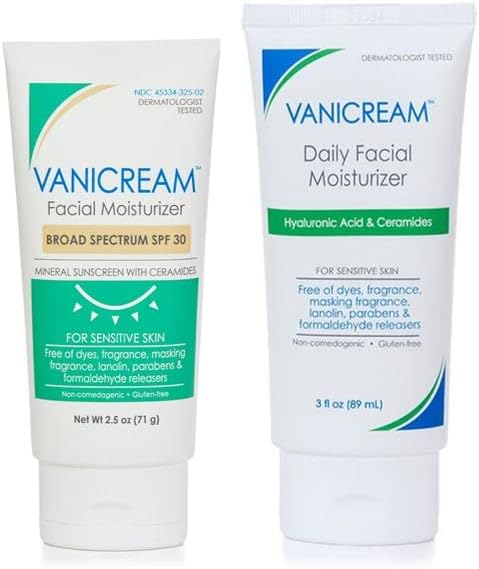
Vanicream Daily Facial Moisturizer
№ 02 through № 10.
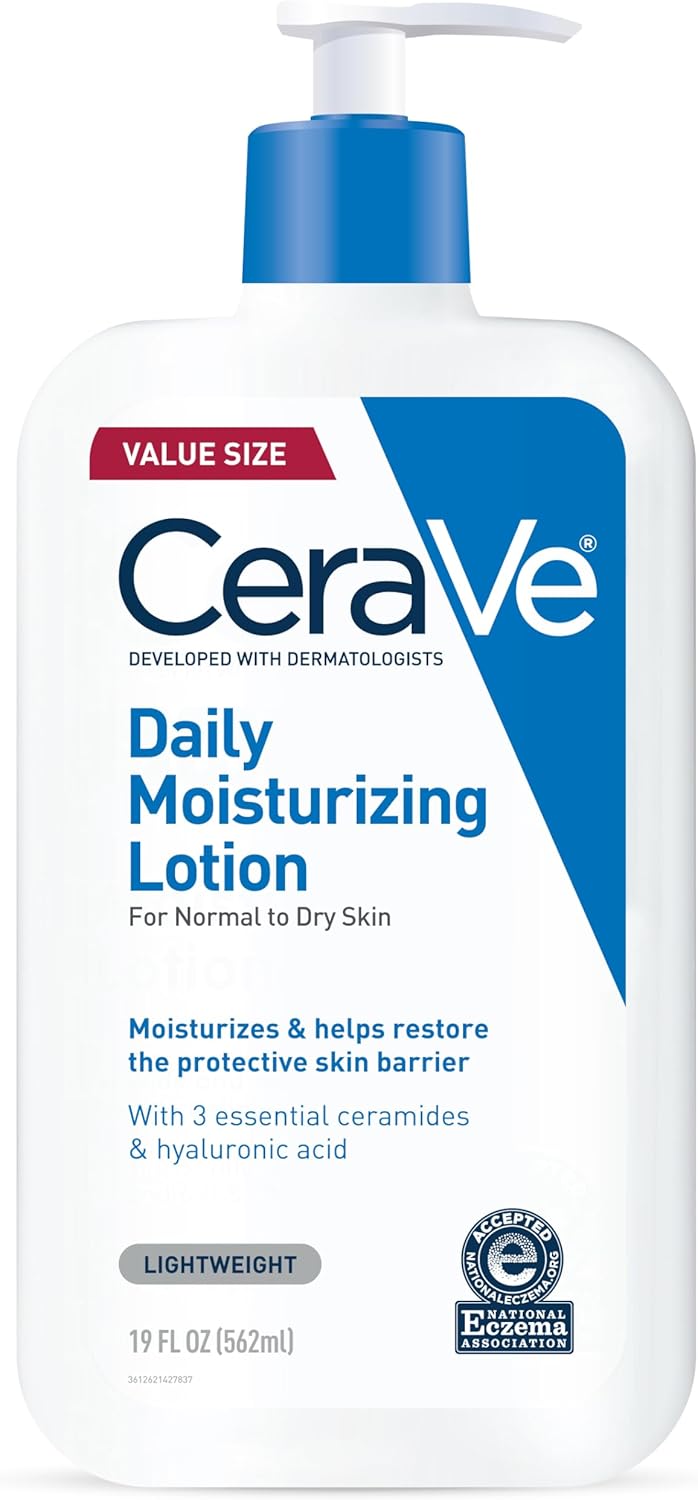
CeraVe Daily Moisturizing Lotion
CeraVe
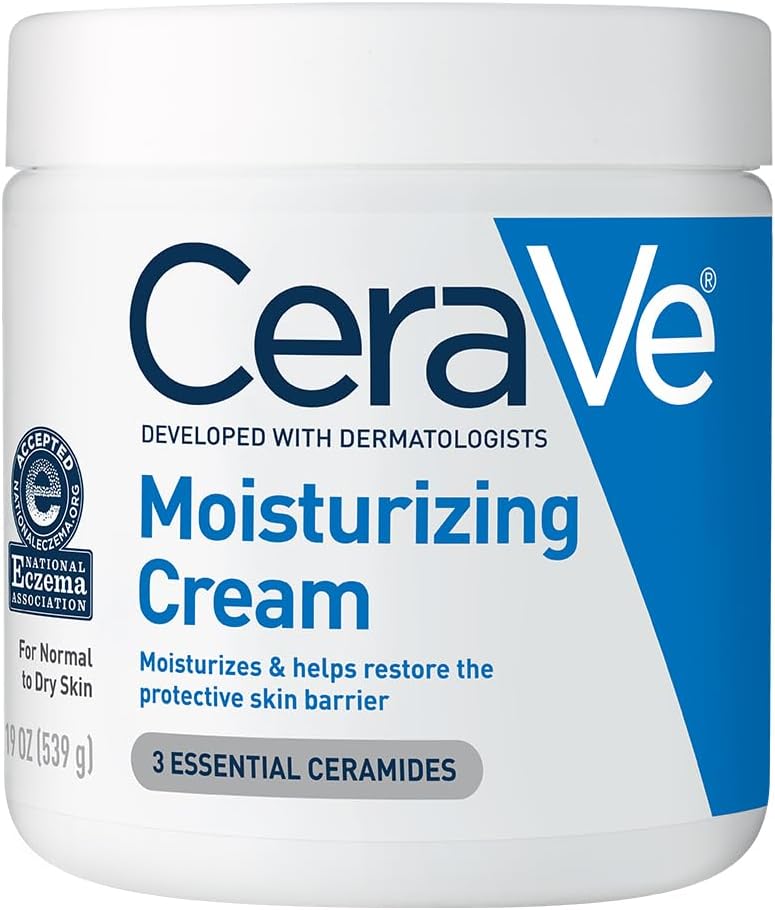
CeraVe Moisturizing Cream
CeraVe
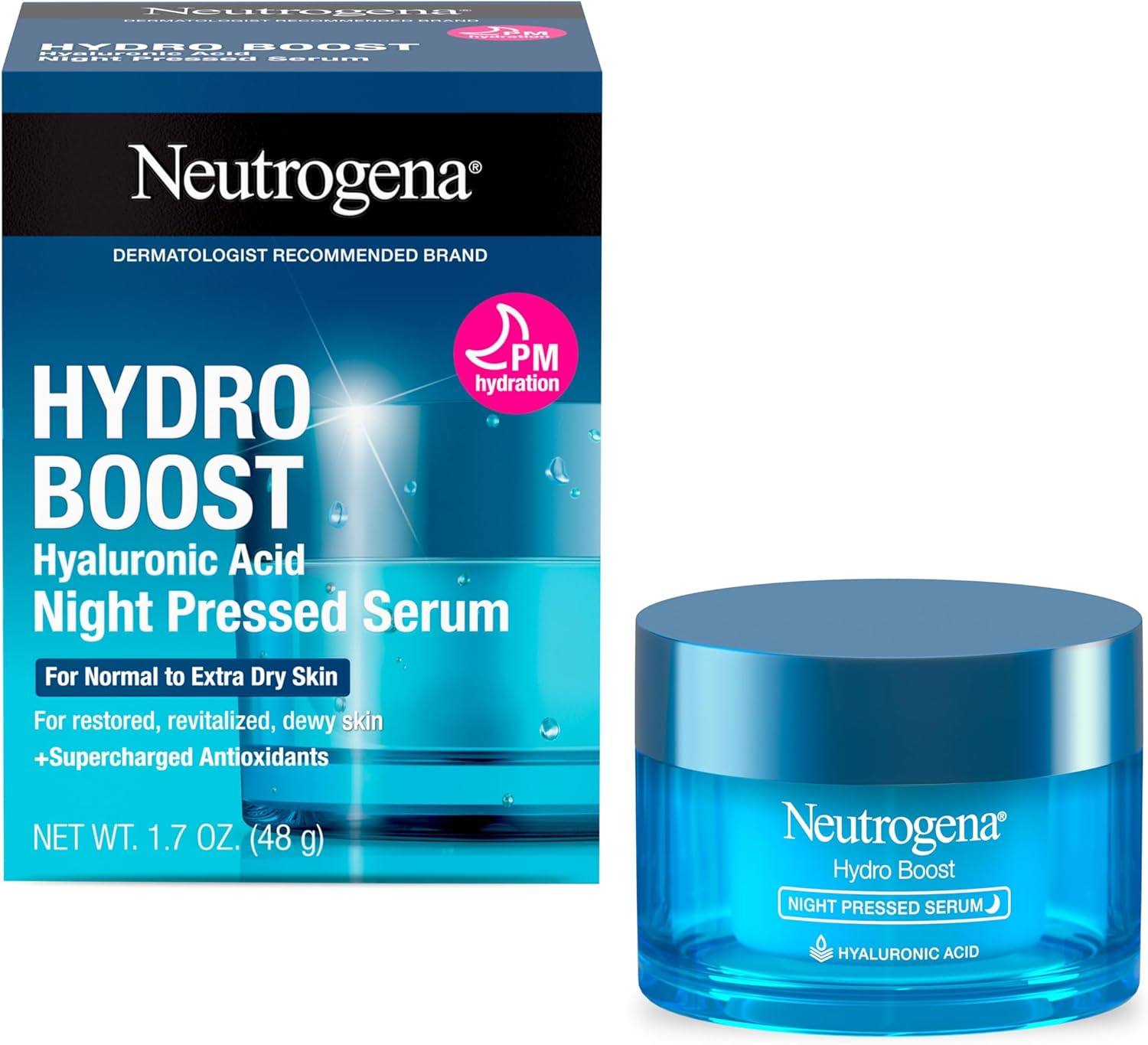
Neutrogena Hydro Boost Gel Cream
Neutrogena
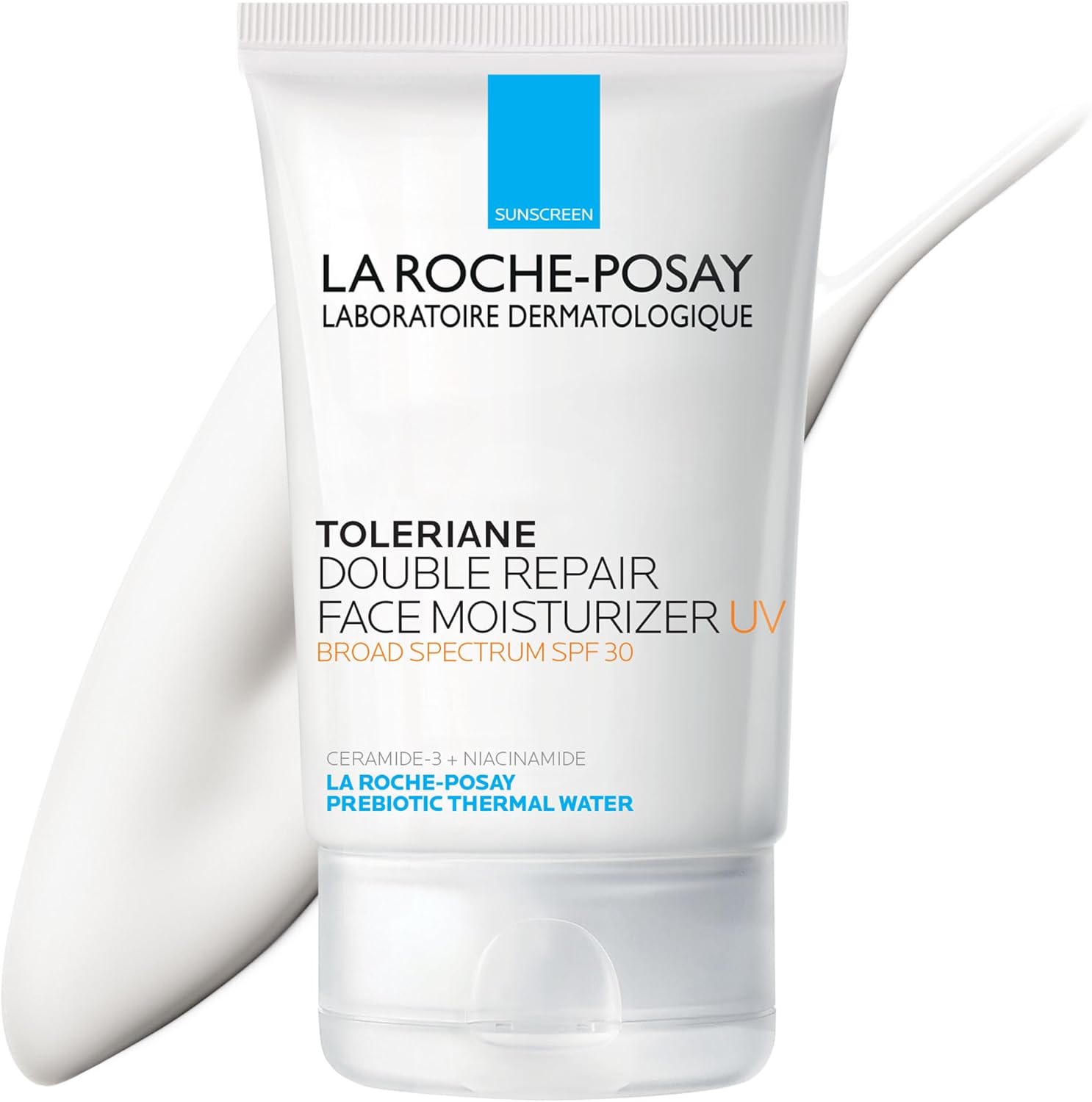
La Roche-Posay Toleriane Double Repair Matte
La Roche-Posay
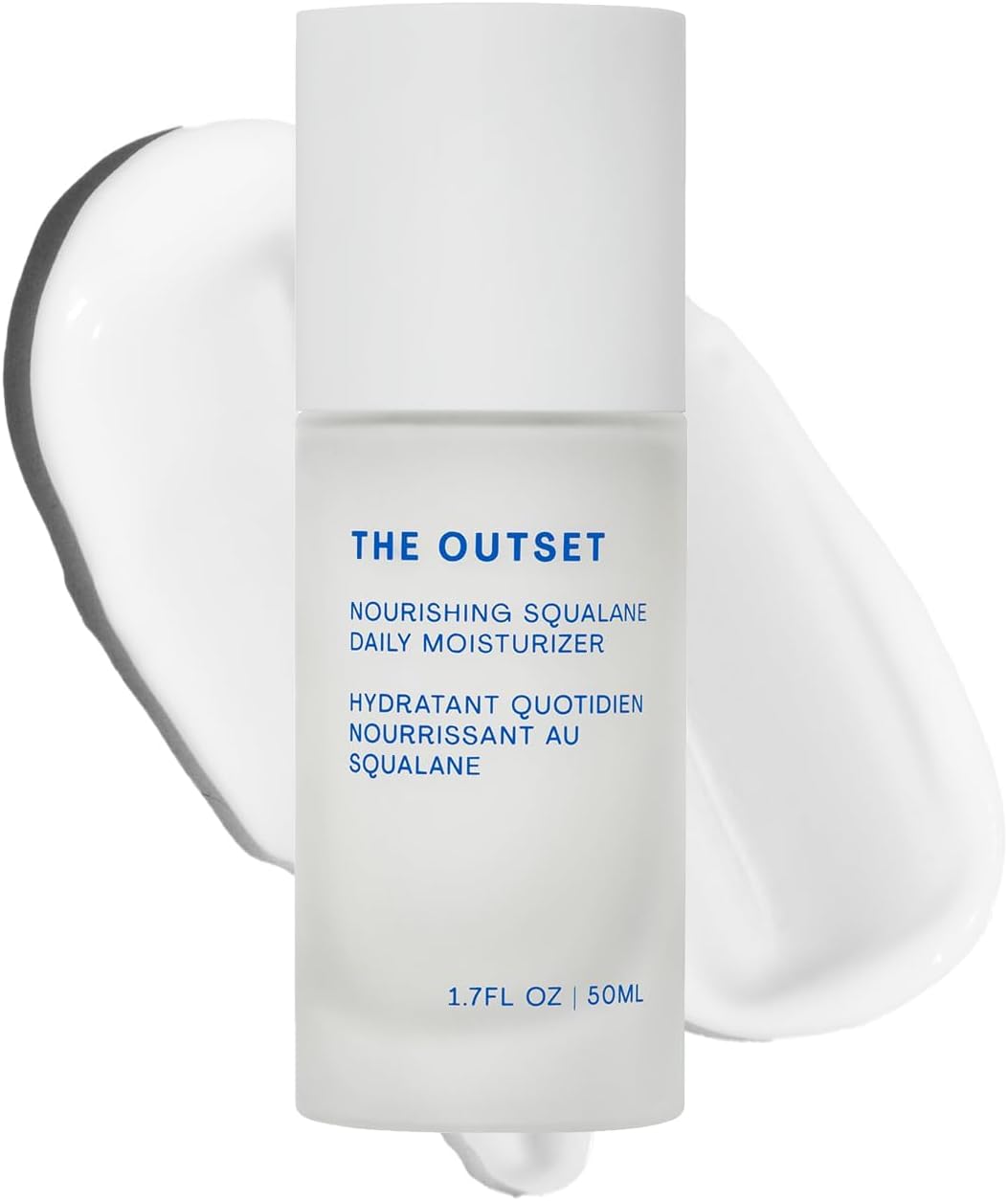
The Outset Nourishing Squalane Daily Moisturizer
The Outset
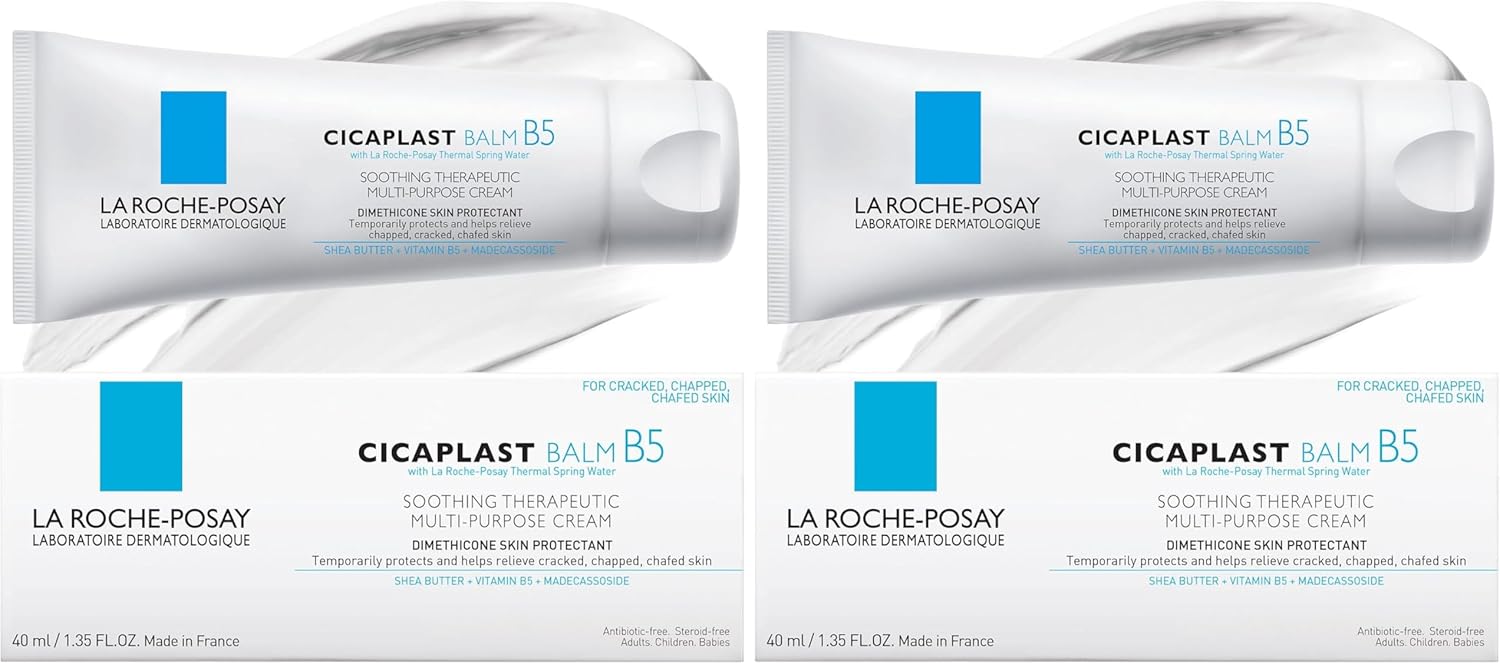
La Roche-Posay Cicaplast Balm B5
La Roche-Posay
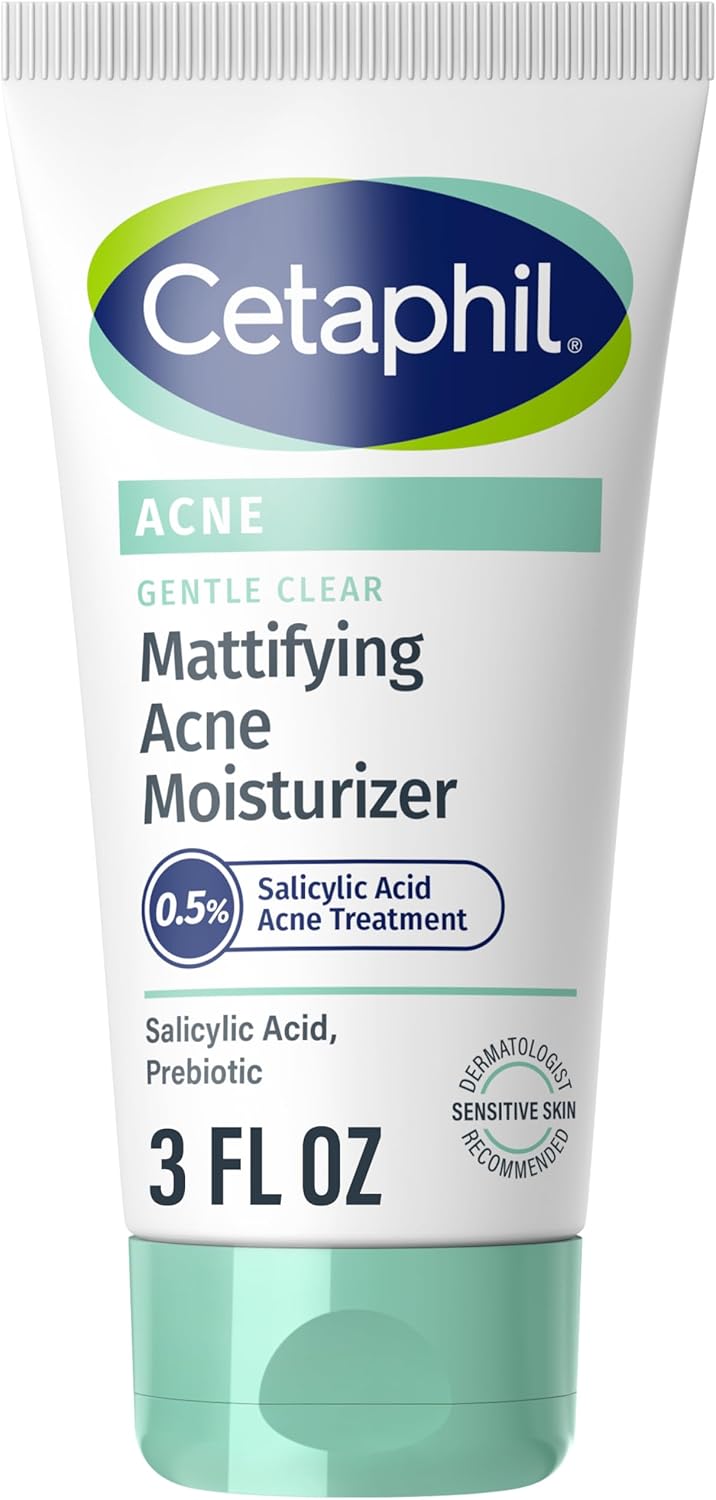
Cetaphil Gentle Clear Mattifying Acne Moisturizer
Cetaphil
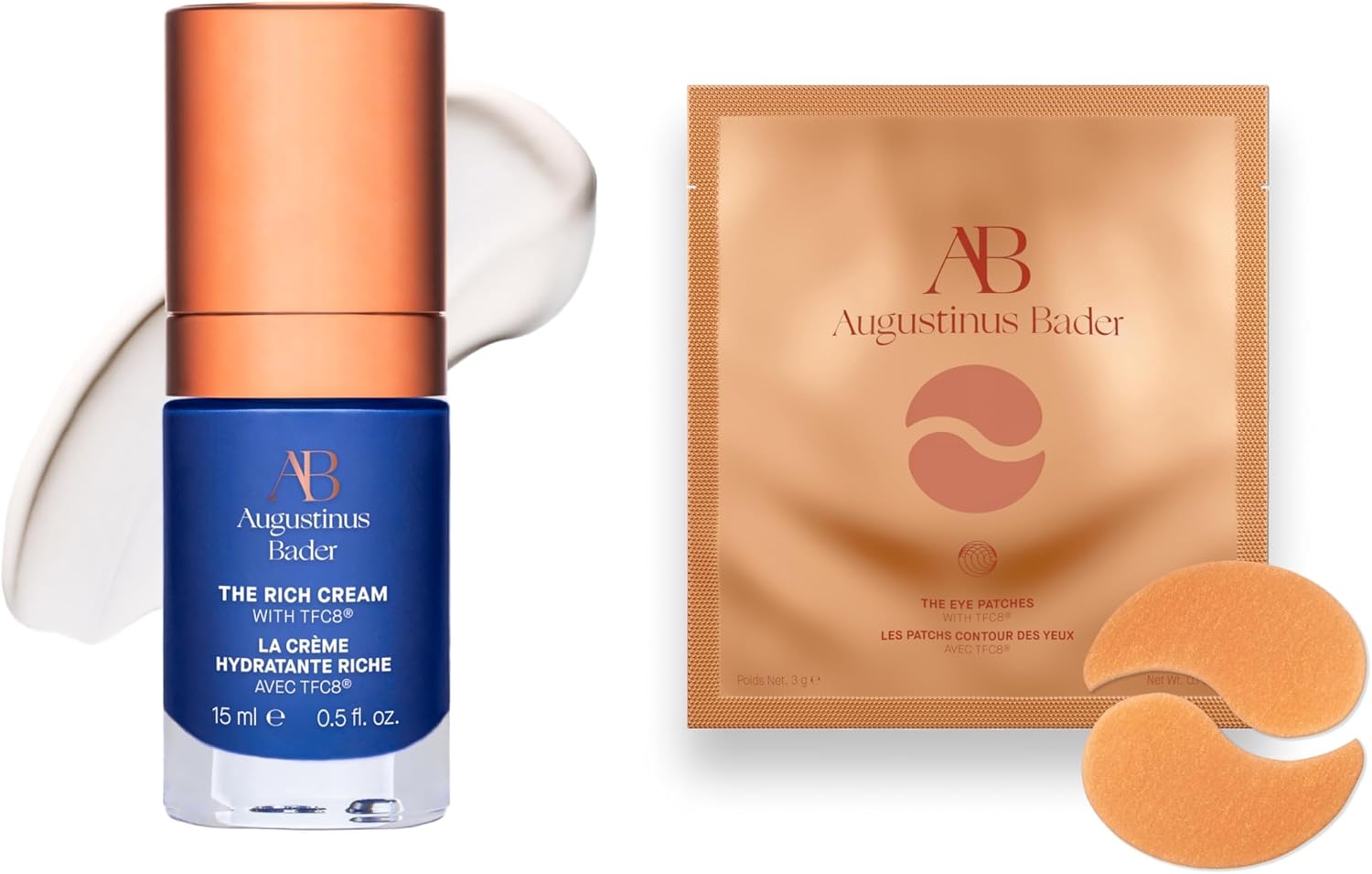
Augustinus Bader The Rich Cream
Augustinus Bader

Dr. Sam's Flawless Moisturiser
Dr. Sam's
Best for different goals.
Barrier repair
Ceramides, cholesterol, and soothing humectants help replenish a compromised moisture barrier.
Oily or acne-prone skin
Matte gel-creams and lightweight lotions prevent dehydration without feeling heavy.
Dry, flaky skin
Rich creams with occlusives and humectants can reduce tightness and improve comfort quickly.
Category FAQ.
Do oily skin types still need moisturizer?
Yes. Skipping moisturizer can worsen dehydration and trigger compensatory oiliness.
What ingredients matter most in a moisturizer?
Ceramides, glycerin, hyaluronic acid, squalane, and petrolatum are among the most useful depending on skin type.
Should I use a separate day and night moisturizer?
Only if your skin needs different textures or actives; otherwise one well-matched moisturizer can work for both.
Notes before you purchase.
- 01
Pick texture by skin type: gel for oily skin, lotion for normal skin, cream for dry or compromised skin.
- 02
Ceramides, glycerin, and hyaluronic acid are the most reliable barrier-support staples.
- 03
If you use strong actives, a plain moisturizer often works better than a heavily fragranced formula.