
The best face serums.
Face serums represent the most concentrated and targeted step in any skincare routine, delivering high-potency active ingredients directly into the skin. Unlike moisturizers, which primarily create a protective barrier and lock in hydration, serums are formulated with smaller molecular weight compounds that penetrate deeper layers of the epidermis. This makes them exceptionally effective at addressing specific skin concerns such as hyperpigmentation, fine lines, dehydration, and uneven texture. The global serum market has experienced explosive growth, reaching over $5.2 billion in 2025, driven by increasing consumer sophistication and the social media-fueled 'skintellectual' movement where consumers educate themselves on ingredient science before purchasing. When choosing a serum, it is critical to match the active ingredient to your specific concern: vitamin C for brightening and antioxidant protection, hyaluronic acid for hydration, niacinamide for pore refinement and oil control, retinol for anti-aging, and peptides for firming. Dermatologists consistently recommend introducing one serum at a time and allowing 4-6 weeks to evaluate its full effects before adding another. Layering order also matters significantly ΓÇö generally, thinnest formulations go first, and vitamin C serums should always be applied in the morning under sunscreen, while retinol serums are reserved for nighttime use due to photosensitivity.
Rankings combine ingredient scoring, verified review data, and editorial review — see the full method.
Skip to ranked products ↓The serum category in 2025-2026 is being reshaped by several converging forces. First, the 'longevity skincare' movement is pushing brands to develop serums that go beyond cosmetic surface-level improvements to target cellular aging mechanisms. Ingredients like NAD+ boosters, polydatin, and exosome-derived formulations are emerging at the prestige end of the market. Second, there is a significant shift toward biocompatible and microbiome-friendly serums, as research increasingly demonstrates that the skin microbiome plays a crucial role in barrier function and overall skin health. Brands like Gallinee and Tula are leading this space with prebiotic and postbiotic-infused serum formulations. Third, the K-beauty influence continues to dominate serum trends ΓÇö PDRN (polydeoxyribonucleotide) serums, fermented complex serums, and 'glass skin' starter kits remain viral on platforms like TikTok, where the hashtag #serum has accumulated over 18 billion views. The affordable luxury segment, exemplified by brands like The Ordinary and Naturium, continues to pressure premium brands to justify their pricing through clinical efficacy data and transparent ingredient sourcing. Additionally, the trend of combining multiple actives into single serums, such as vitamin C plus peptides or niacinamide plus zinc, is accelerating as consumers seek simplified yet effective routines. Market analysts project the global serum market will reach $8.1 billion by 2030, growing at a CAGR of 7.2%.
№ 01 — the one to know.
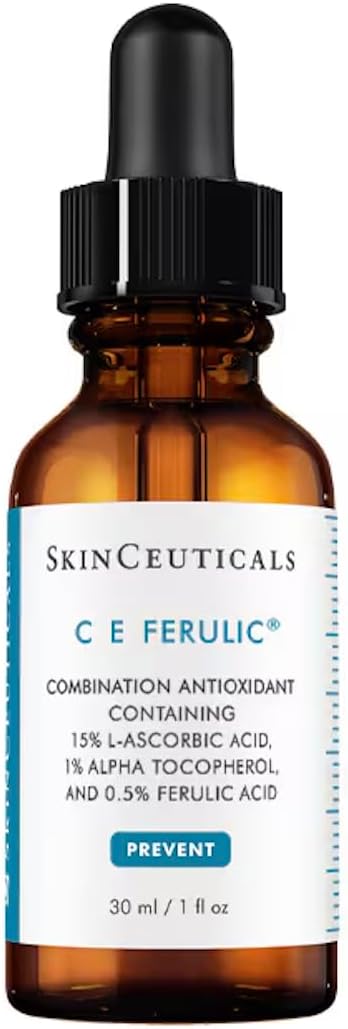
SkinCeuticals C E Ferulic
№ 02 through № 10.
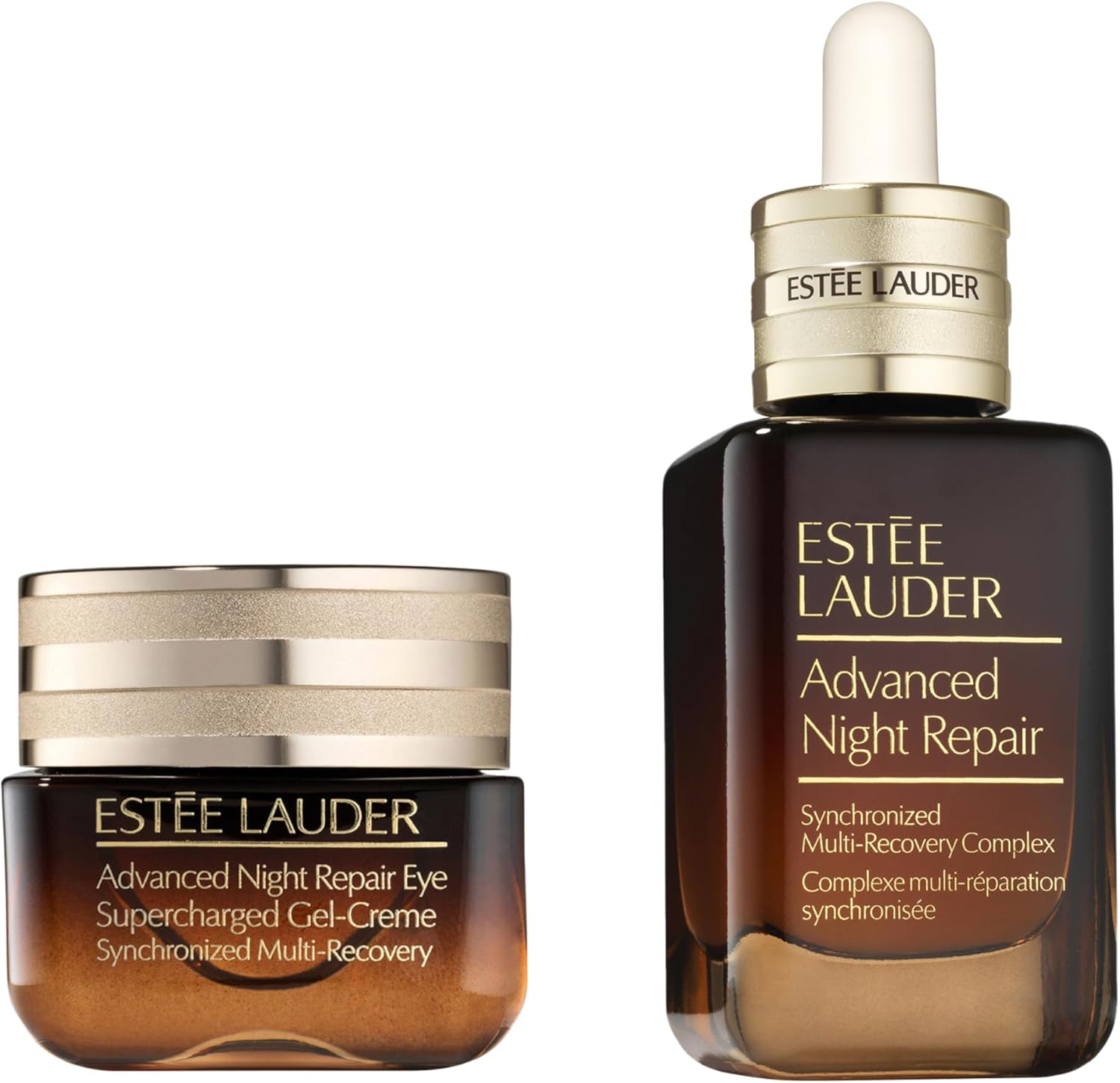
Estee Lauder Advanced Night Repair
Estee Lauder
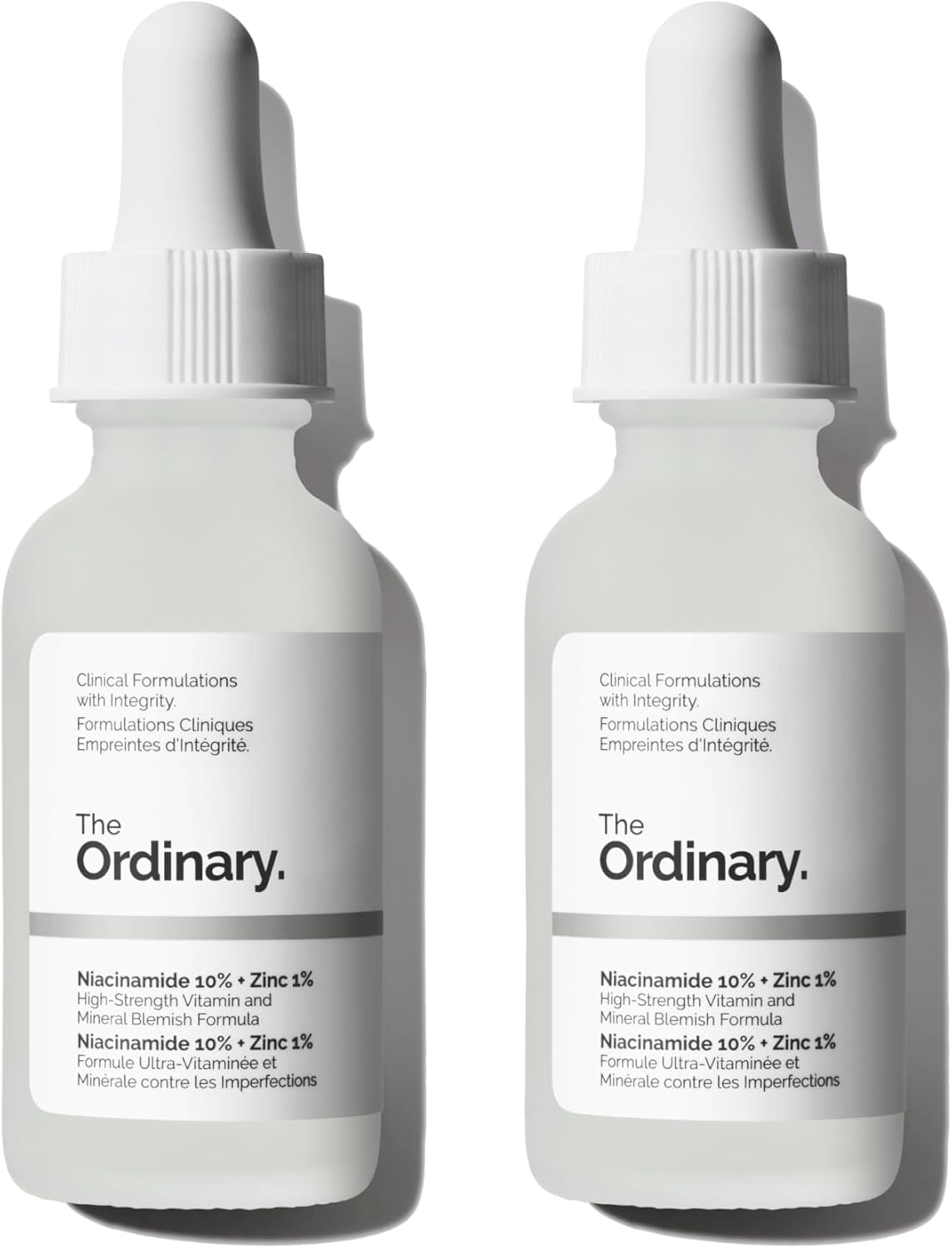
The Ordinary Niacinamide 10% + Zinc 1%
The Ordinary
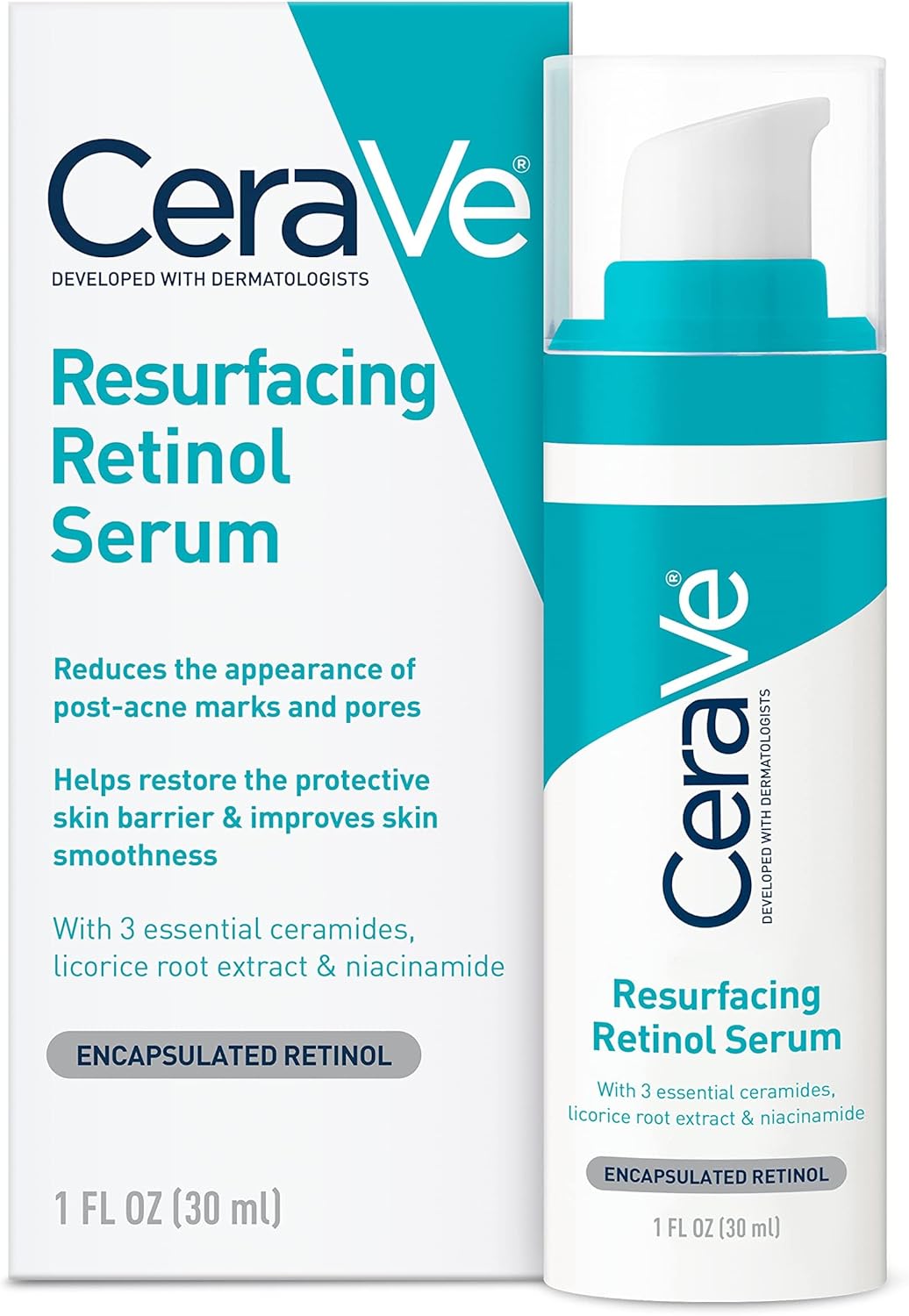
CeraVe Skin Renewing Retinol Serum
CeraVe
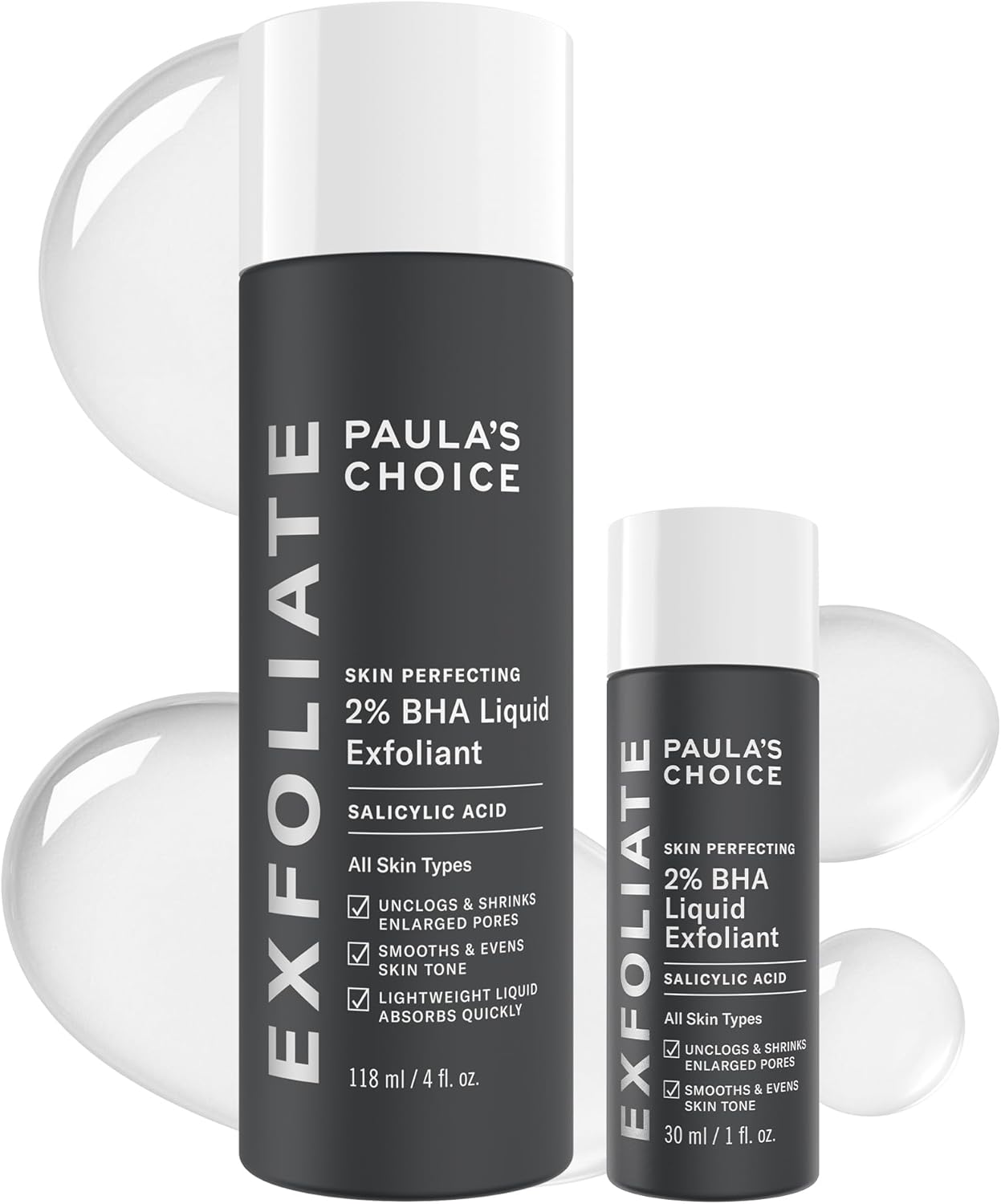
Paula's Choice 2% BHA Liquid Exfoliant
Paula's Choice
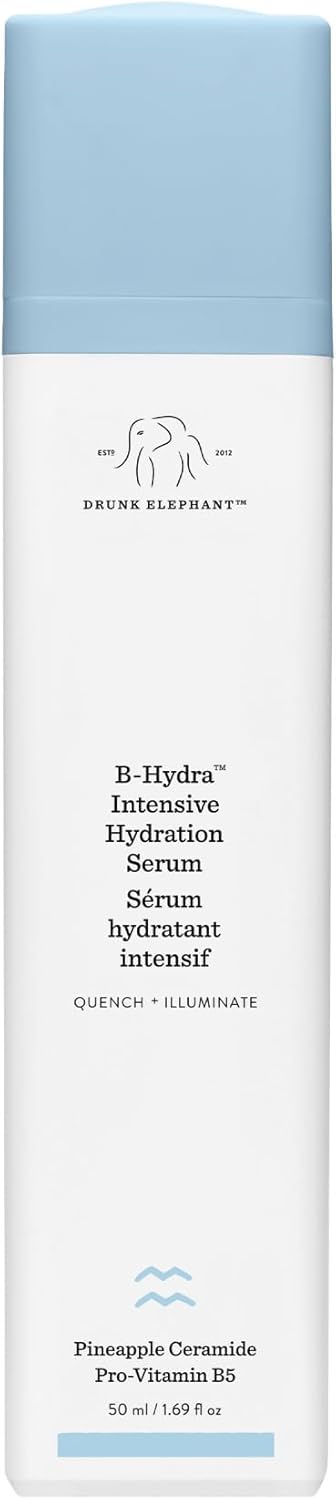
Drunk Elephant B-Hydra Intensive Hydration Serum
Drunk Elephant
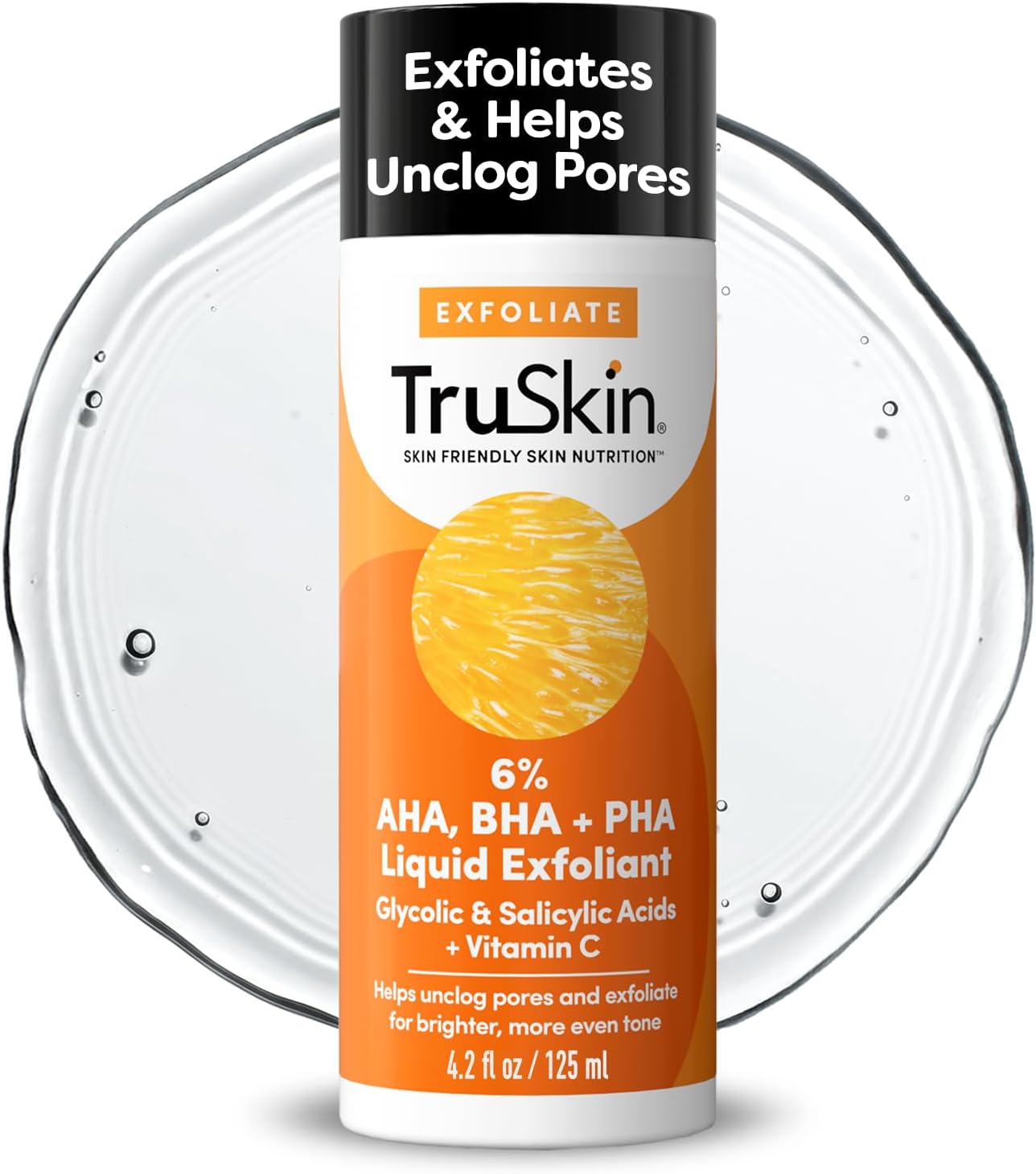
TruSkin Vitamin C Serum
TruSkin
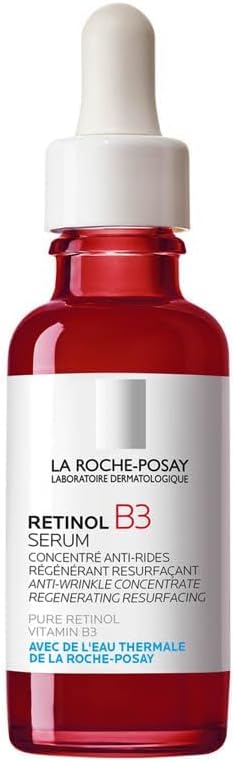
La Roche-Posay Toleriane Dermallergo Serum
La Roche-Posay
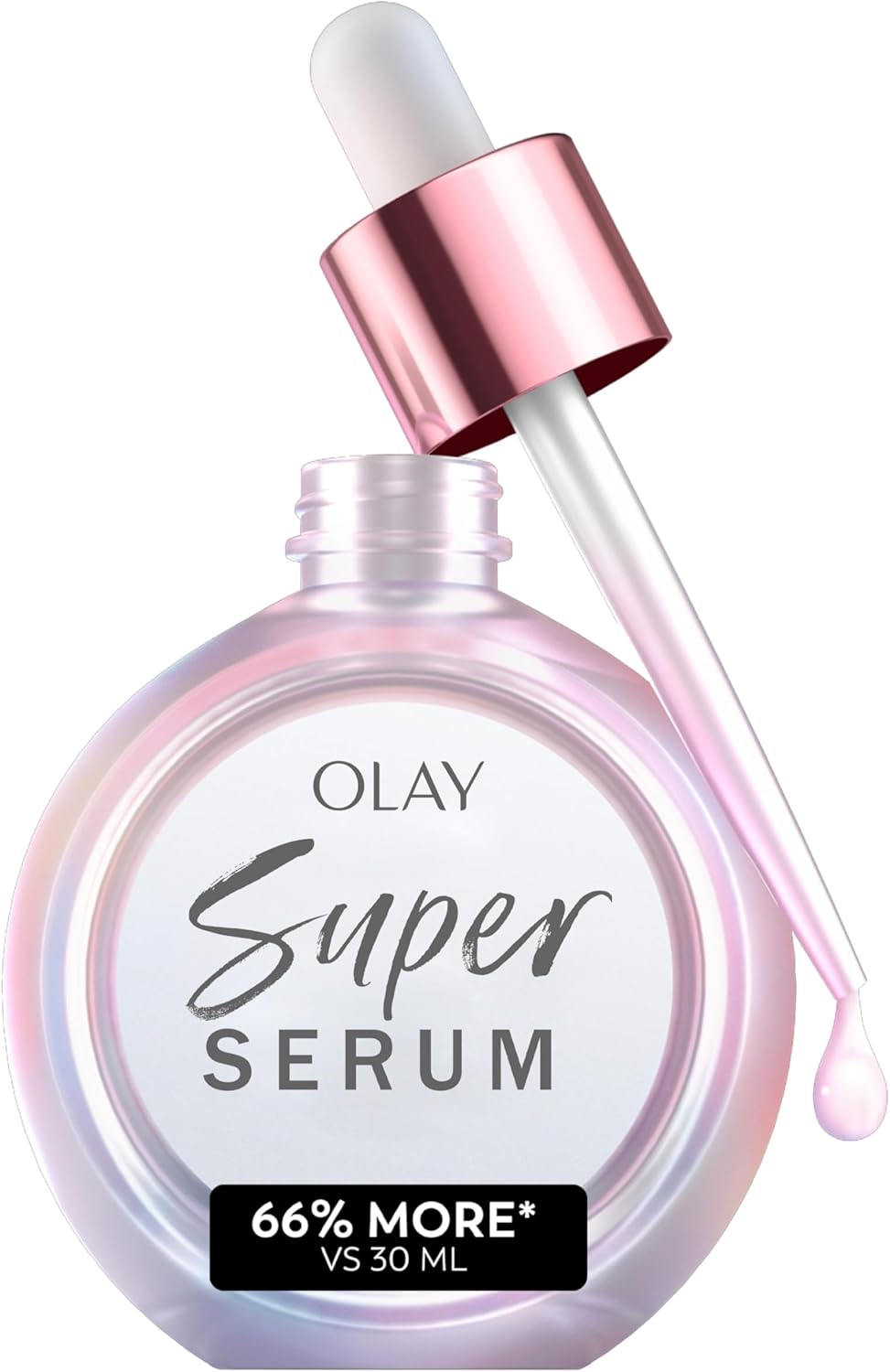
Olay Super Serum
Olay
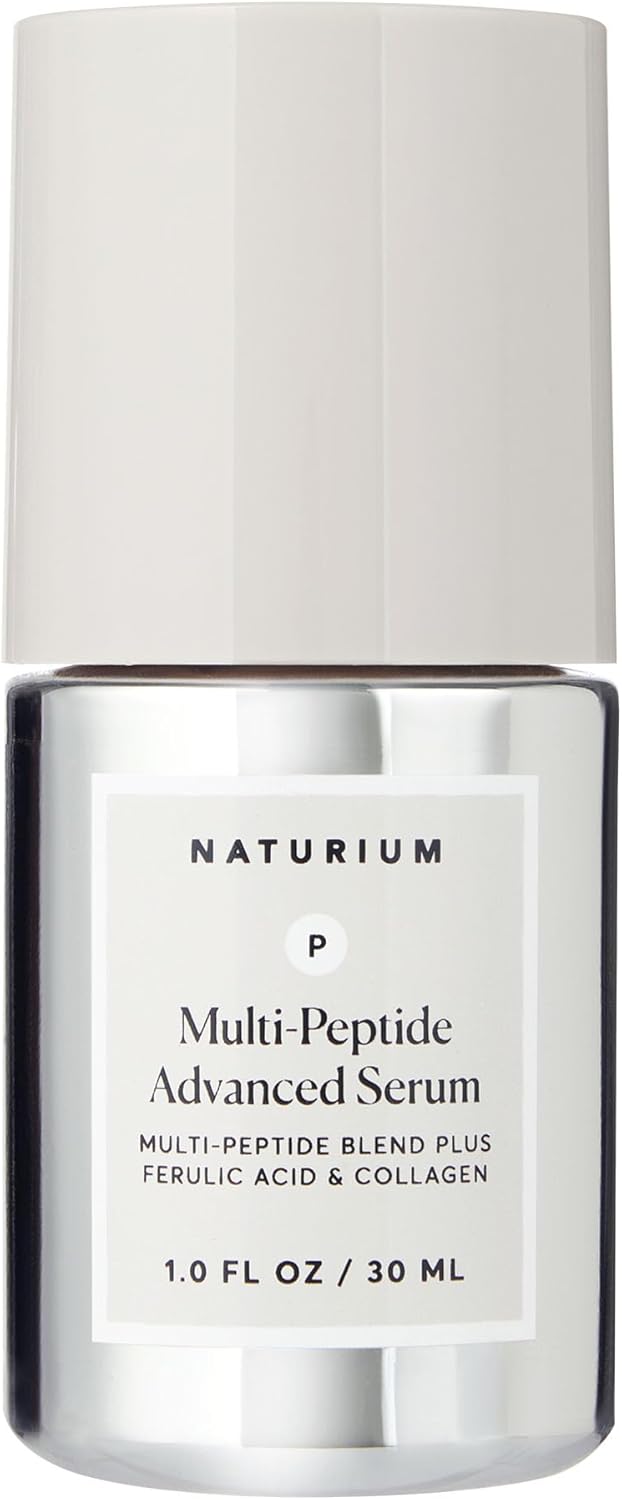
Naturium Multi-Peptide Advanced Serum
Naturium
Best for different goals.
Dark spots and post-acne marks
Look for vitamin C, tranexamic acid, or niacinamide when discoloration is the primary concern.
Dehydration and fine lines
Hyaluronic acid and multi-humectant serums work best when sealed in with a moisturizer.
Firmness and early aging
Peptide and retinoid serums can support smoother texture and more resilient-looking skin over time.
Category FAQ.
What serum should beginners start with?
Hydration-first serums with hyaluronic acid or niacinamide are usually the easiest starting point before stronger actives like retinol.
Can I use more than one serum?
Yes, but it works best when each serum has a clear role and you introduce one new active at a time.
Do serums replace moisturizers?
No. Serums deliver treatment ingredients, while moisturizers help seal hydration and support the barrier.
Notes before you purchase.
- 01
Match the hero active to the concern you want to fix first.
- 02
Use lightweight vitamin C or antioxidant serums in the morning and retinoid serums at night.
- 03
If your skin is reactive, start with one serum at a time instead of layering multiple actives.