
Conscious / Clean Beauty
Products aligned with the movement.
Editorially selected from our ranked archive — each chosen for alignment with the conscious / clean beauty philosophy.
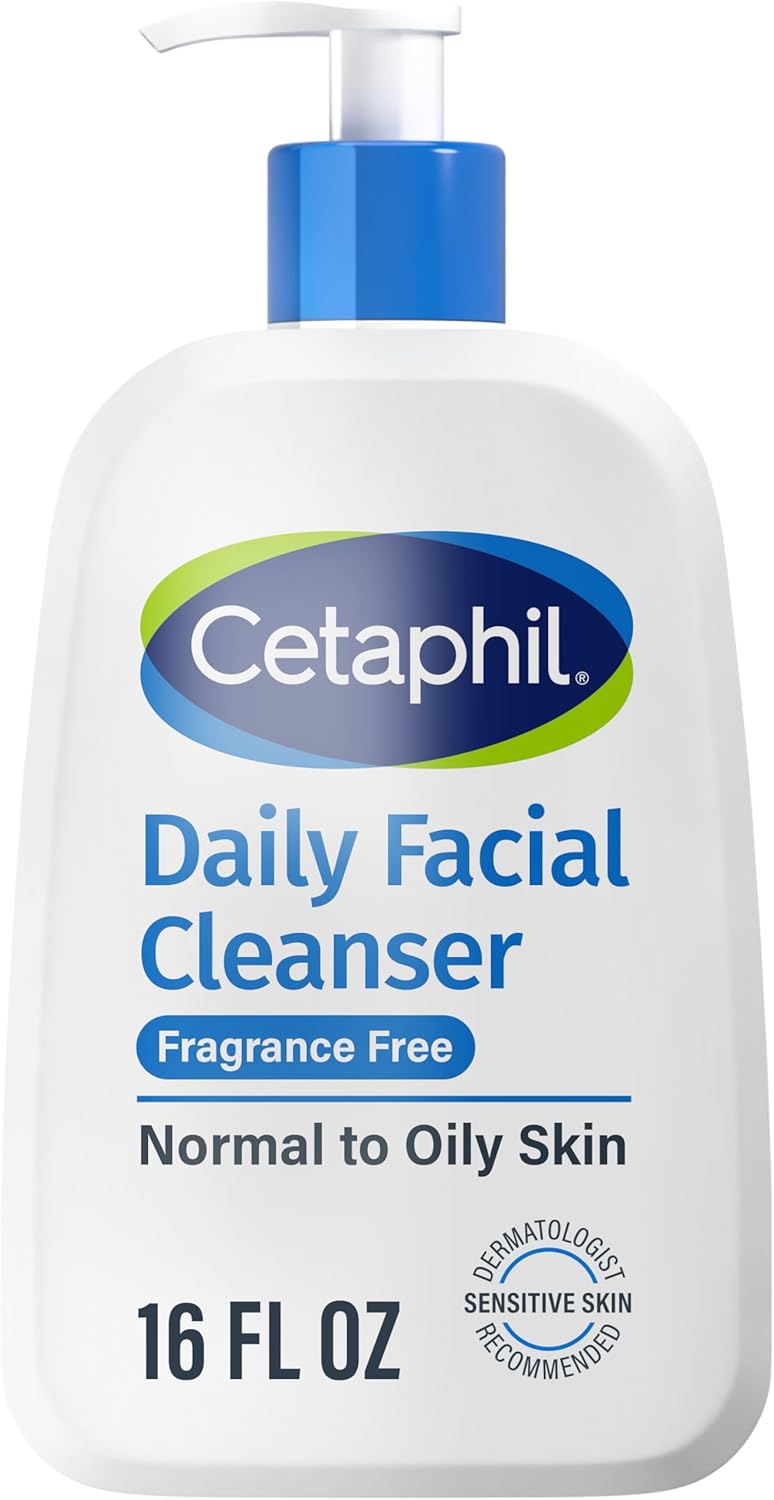
Cetaphil Gentle Skin Cleanser
Cetaphil
"EWG Verified, fragrance-free cleanser with clean-beauty certification and full ingredient transparency."
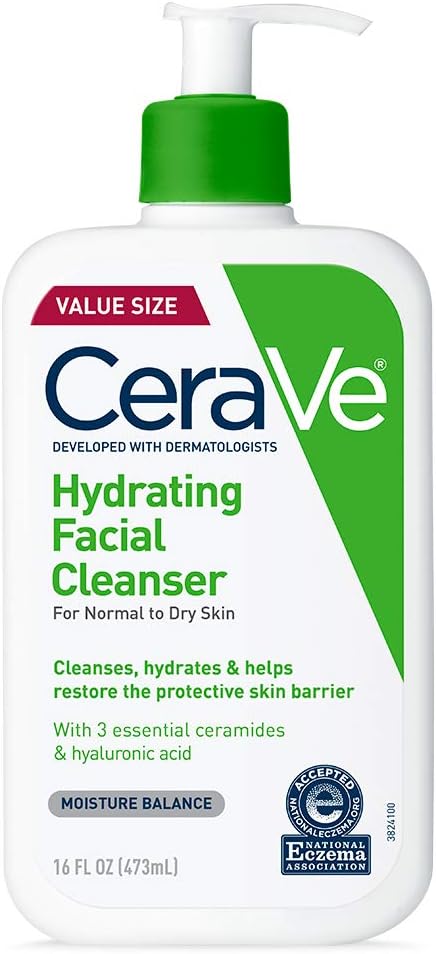
CeraVe Hydrating Facial Cleanser
CeraVe
"COSMOS-certified cleanser formulated to strict European natural ingredient standards."
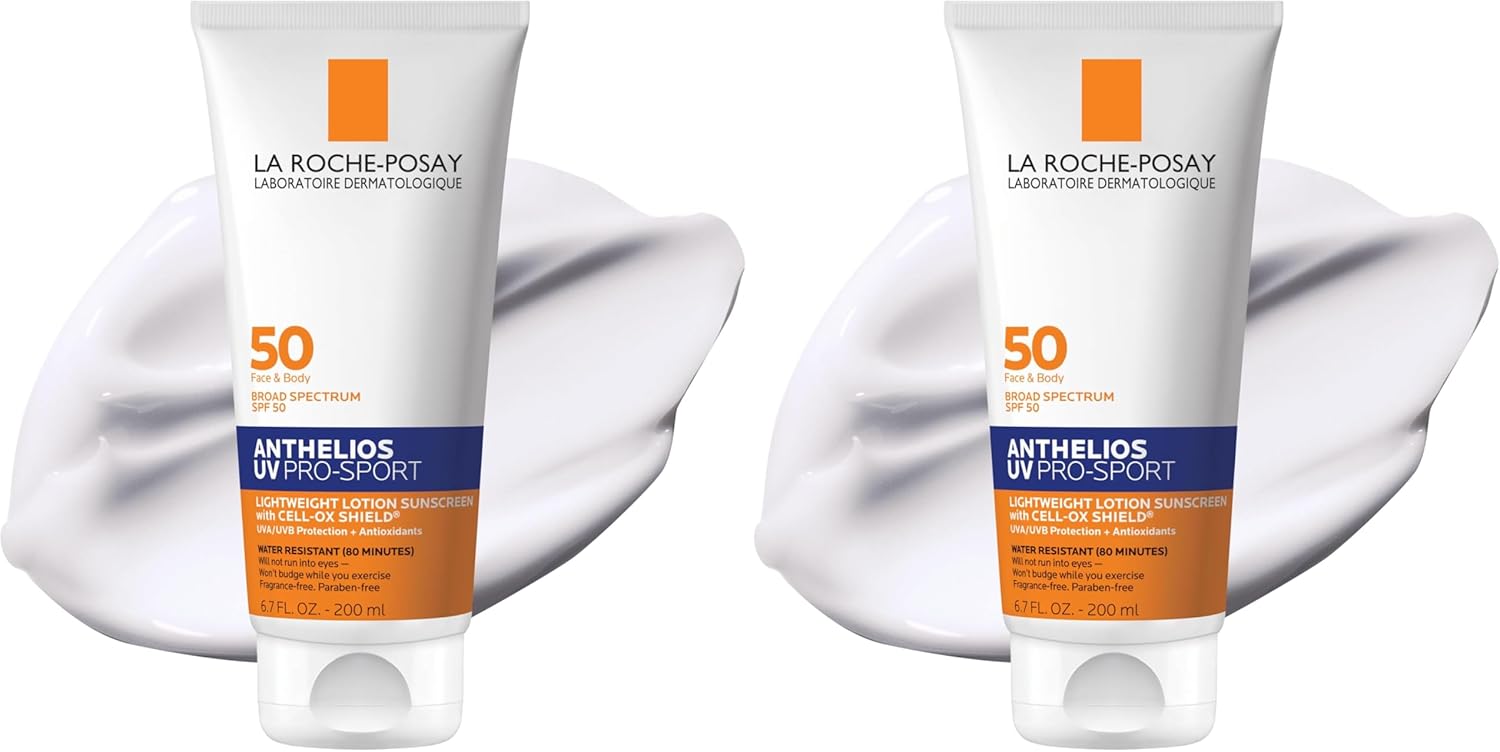
La Roche-Posay Anthelios Melt-in Milk SPF 60
La Roche-Posay
"Non-nano mineral sunscreen reef-safe and EWG Verified — the clean beauty SPF benchmark."
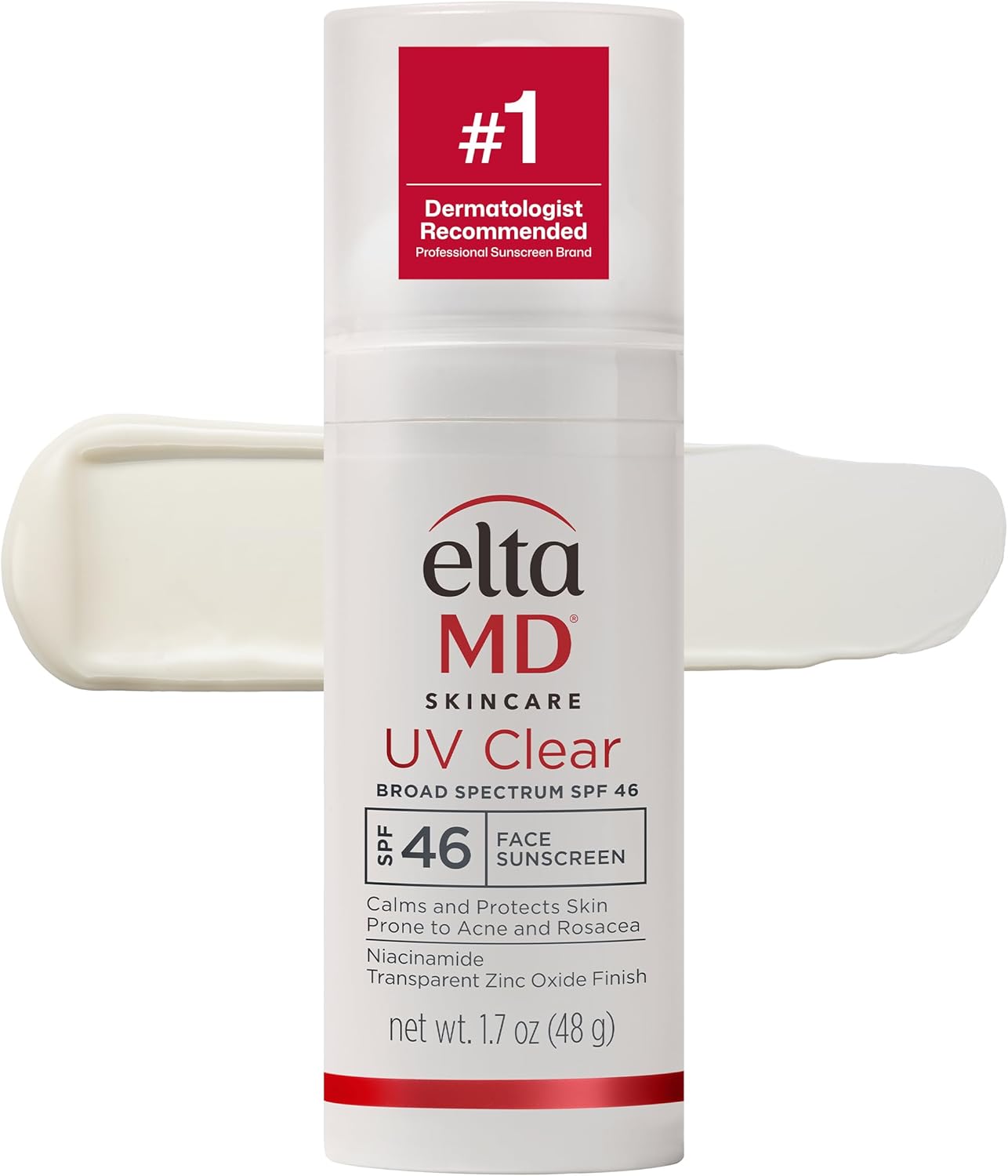
EltaMD UV Clear Broad-Spectrum SPF 46
EltaMD
"B Corp certified sunscreen brand with audited supply chain and ocean-safe formula."
Natural, organic, sustainable, reef-safe, vegan
What Conscious / Clean Beauty actually is.
Conscious and clean beauty has evolved from a 2015-era "no-nasties" marketing framework into a rigorous multi-dimensional sustainability standard encompassing ingredient safety, environmental impact, ethical sourcing, packaging circularity, and supply chain transparency. The original "clean beauty" movement, which defined itself primarily by exclusion lists (no parabens, no sulfates, no synthetic fragrance), has been largely discredited as pseudoscientific by dermatologists — many of the "banned" ingredients are safe; many of the "clean" replacements are more irritating. The sophisticated 2025–2026 version of conscious beauty grounds itself in toxicology rather than chemical phobia, evaluates environmental impact across the full product lifecycle, and prioritizes genuine third-party certification (COSMOS, EWG Verified, Leaping Bunny, B Corp) over self-generated "clean" claims.
"The legitimate science in conscious beauty covers two areas: ingredient safety for human use and ingredient impact on the environment."
Why it matters.
The legitimate science in conscious beauty covers two areas: ingredient safety for human use and ingredient impact on the environment. For human safety, the precautionary principle applies most strongly to endocrine disruptors (PFAS, certain parabens in high concentrations, oxybenzone) for which human epidemiological evidence is growing. Synthetic fragrances remain the most common contact allergen in cosmetics — the European Scientific Committee on Consumer Safety has restricted over 80 fragrance molecules. For environmental impact, biodegradability is the key metric: many synthetic polymers (microplastics from exfoliating beads, polyquaternium film-formers) persist in aquatic ecosystems for centuries. PFAS (per- and polyfluoroalkyl substances) used in some water-resistant formulas are highly persistent environmental contaminants. Organic and natural ingredients are not inherently lower-impact — agriculture land use, water consumption, and pesticide runoff are often significant environmental costs.
Categories reshaped by this movement.
How to apply it.
Filter by verified certifications rather than brand claims: COSMOS Organic or Natural for ingredient sourcing integrity, EWG Verified for hazard-based ingredient screening, Leaping Bunny for cruelty-free supply chain verification, and 1% for the Planet for environmental contribution accountability. For packaging, prioritize products in recycled or recyclable primary packaging — glass, aluminum, or labeled recyclable PCR plastic. For sunscreen specifically, verify reef-safe status via active ingredient (non-nano zinc oxide or titanium dioxide only). Reduce rather than substitute where possible — using fewer high-quality products is the most impactful sustainability choice.
Frequently asked.


Further reading.
- 01European Scientific Committee on Consumer Safety — Fragrance Allergen Restrictions (2024)
- 02Environmental Working Group — EWG Verified Standard (2025)
- 03COSMOS Standard — Natural and Organic Cosmetics Criteria (2024)
- 04Environmental Health Perspectives — PFAS in Personal Care Products (2023)
Explore the full dispatch.
Browse every trend shaping skincare in 2025–2026 — viral rituals and structural shifts alike.