
Blue Beauty
Products aligned with the movement.
Editorially selected from our ranked archive — each chosen for alignment with the blue beauty philosophy.
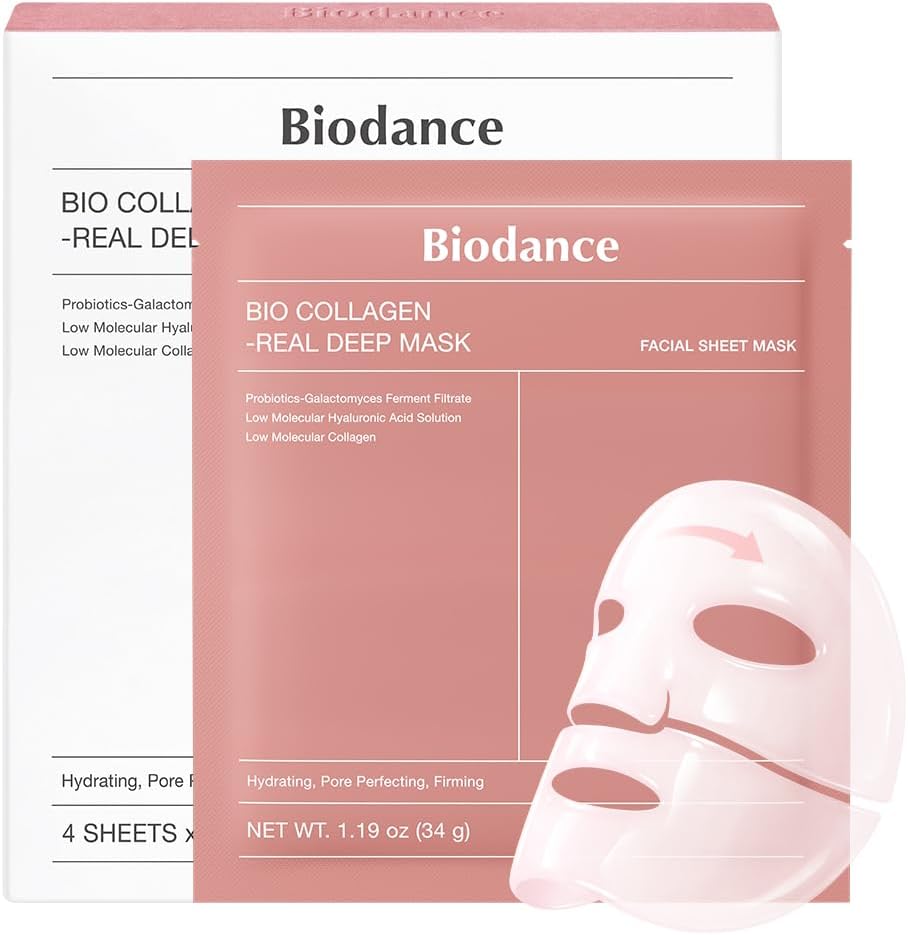
Biodance Bio-Collagen Real Deep Mask
Biodance
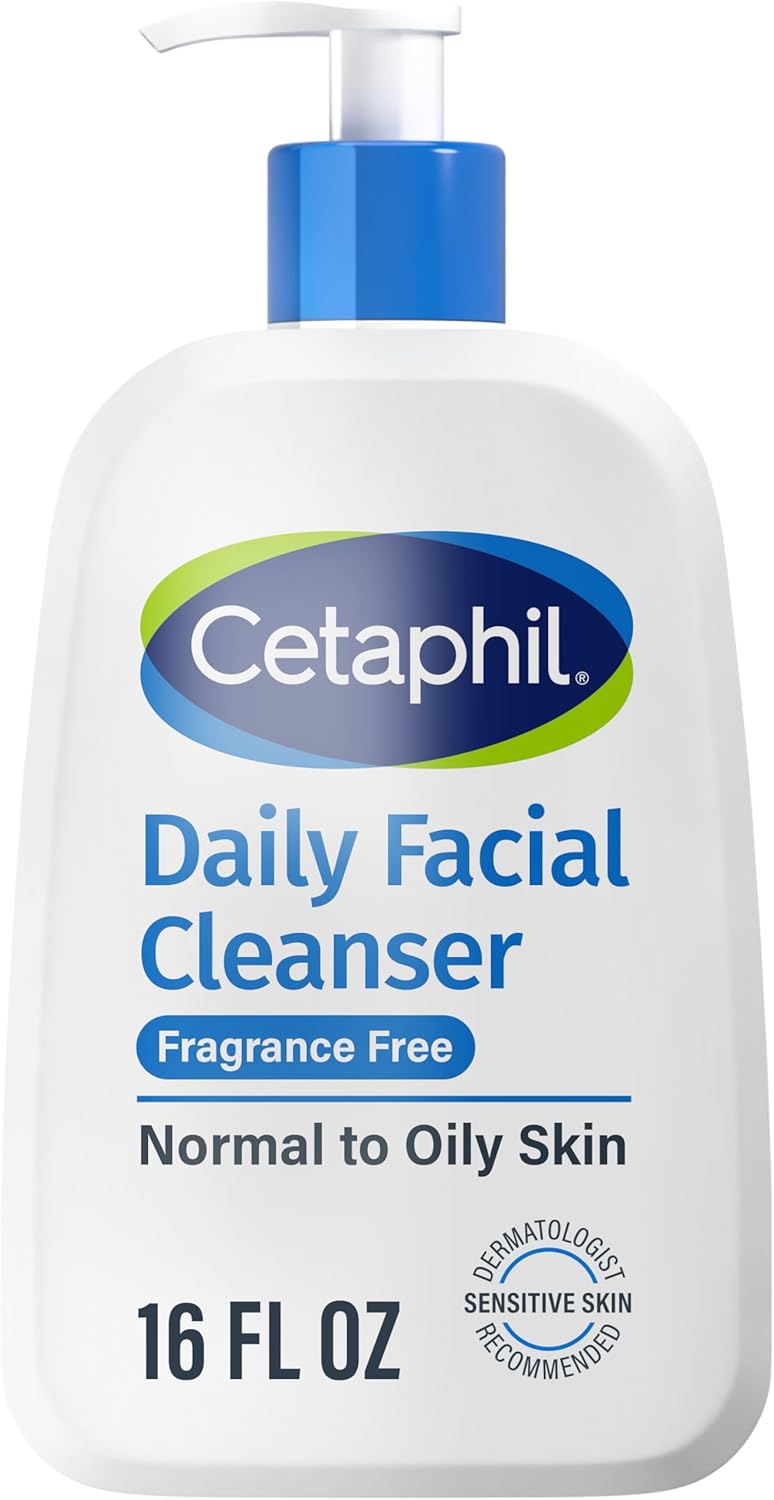
Cetaphil Gentle Skin Cleanser
Cetaphil
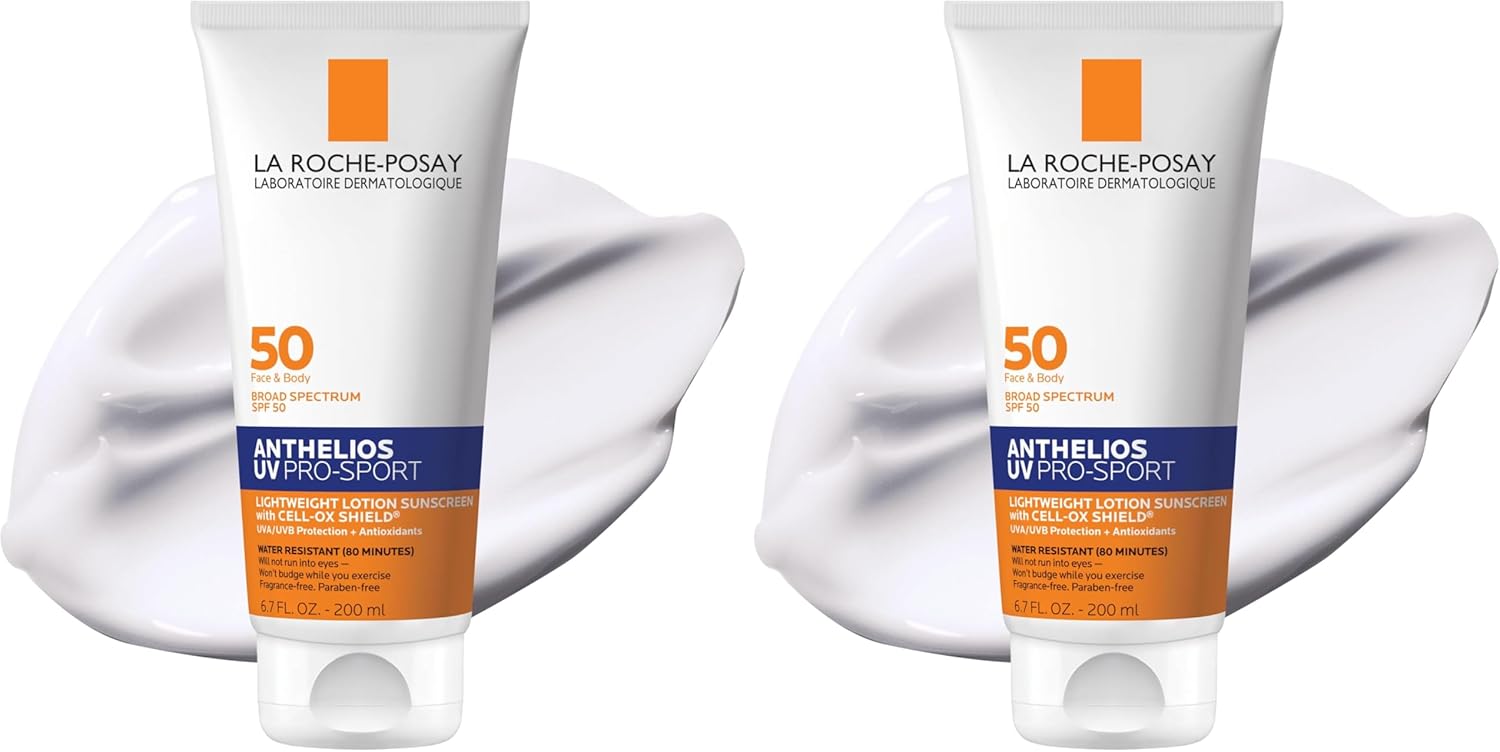
La Roche-Posay Anthelios Melt-in Milk SPF 60
La Roche-Posay
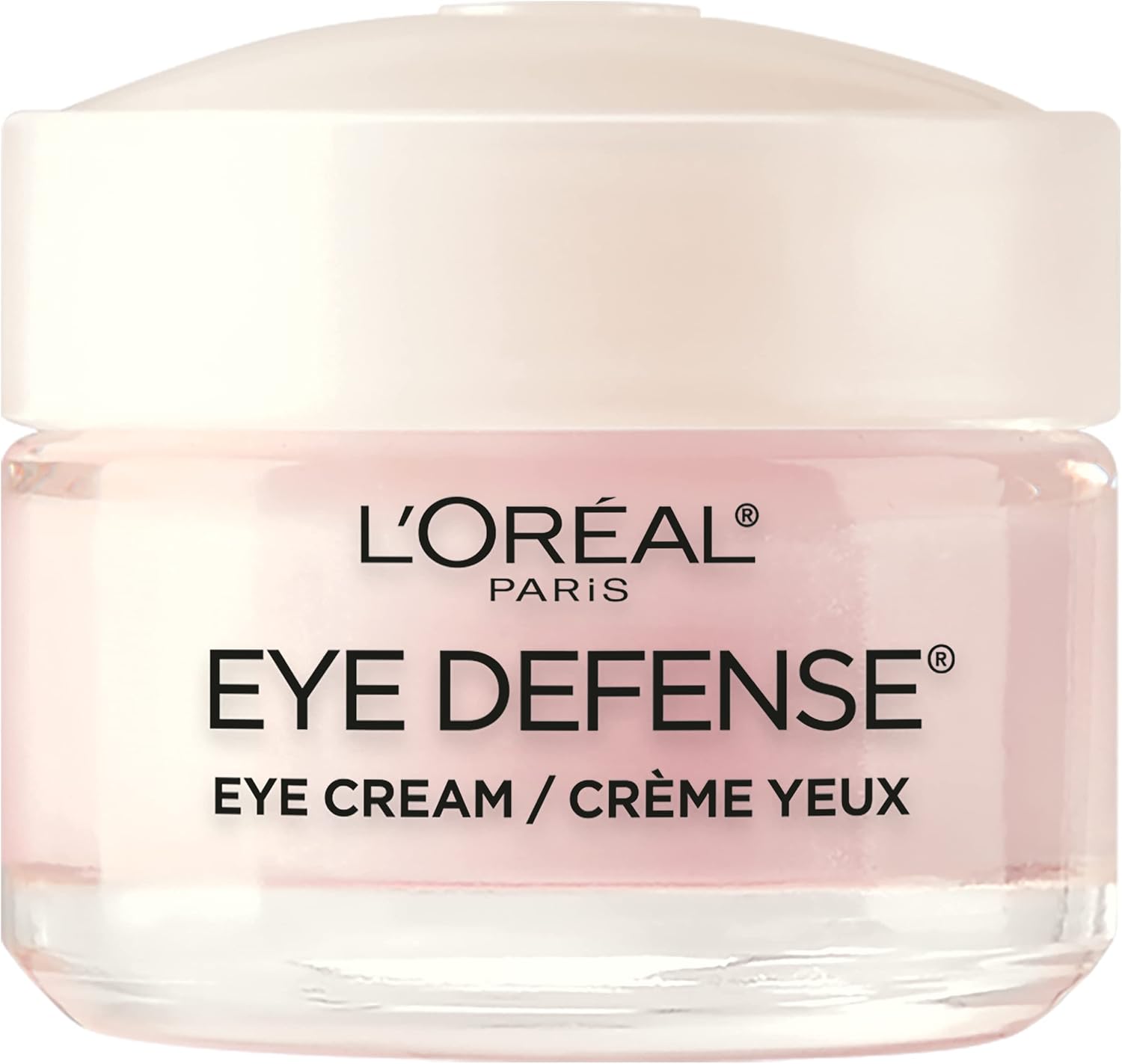
Lancome Absolue The Eye Cream
Lancome
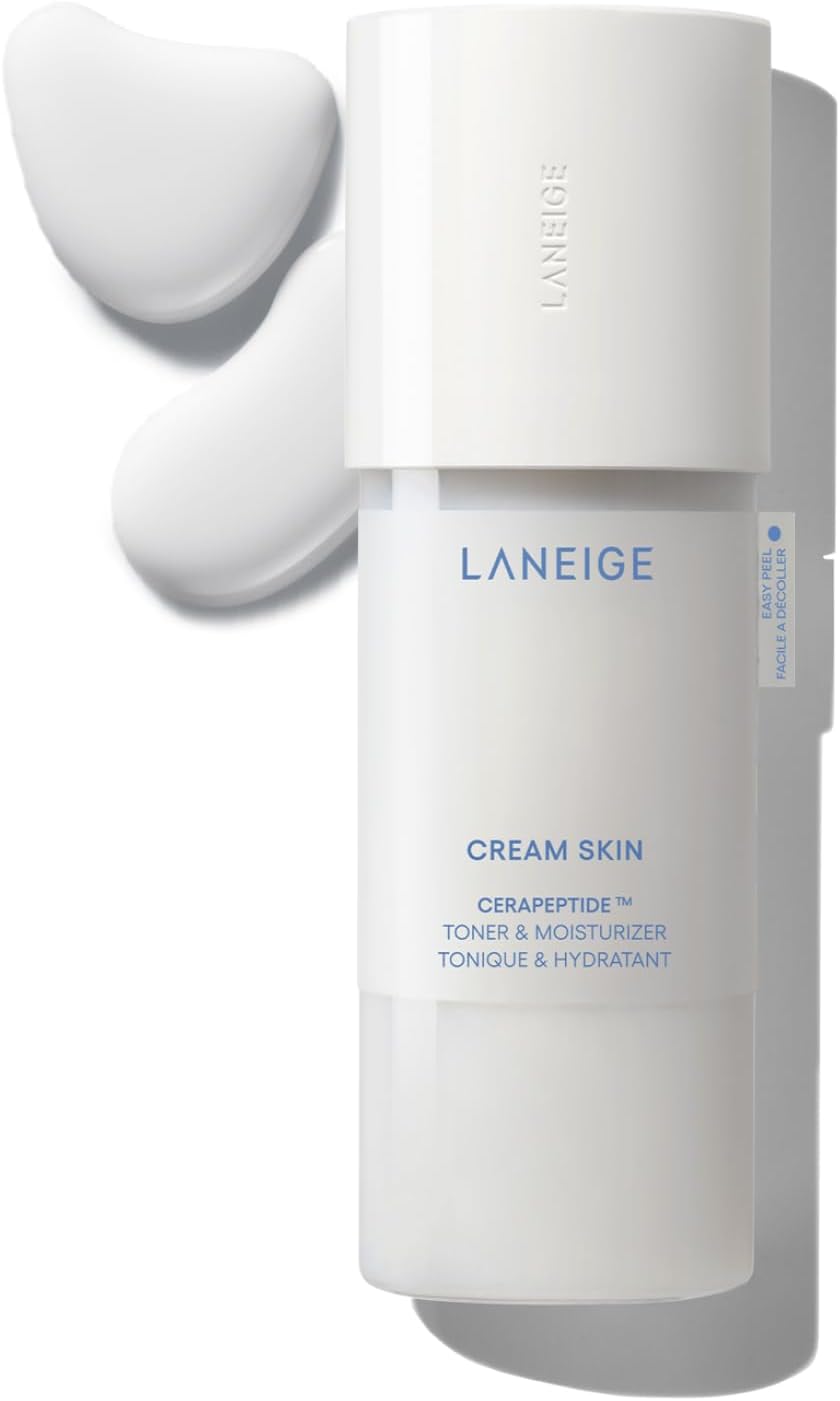
Laneige Cream Skin Toner & Moisturizer
Laneige
Medik8 Crystal Retinal 10
Medik8
Ocean-safe, reef-safe formulations
What Blue Beauty actually is.
Blue Beauty as a strategic trend represents the skincare industry's reckoning with its aquatic environmental impact, extending the conscious beauty framework specifically to ocean and freshwater ecosystem health. Beyond the high-profile oxybenzone/octinoxate sunscreen issue (which prompted legislative action in Hawaii, Palau, and several Caribbean jurisdictions), Blue Beauty encompasses: marine ingredient sustainable sourcing, microplastic elimination from formulations, ocean-safe biodegradability standards for all rinse-off products, and the growing use of ocean-recovered plastic in packaging. As a trend signal, it reflects the consumer demographic most engaged in beauty (coastal millennial/Gen Z markets) aligning their purchasing with their environmental concerns in a product category with demonstrably high ocean-contact rates.
"The ocean chemistry impact of cosmetic chemicals operates through two mechanisms: direct toxicity and indirect ecosystem disruption."
Why it matters.
The ocean chemistry impact of cosmetic chemicals operates through two mechanisms: direct toxicity and indirect ecosystem disruption. Oxybenzone causes coral bleaching by penetrating zooxanthellae (coral symbiont algae) and disrupting their reproduction at parts-per-trillion concentrations measurable around popular swim beaches. Octocrylene metabolizes in marine organisms into benzophenone, an endocrine disruptor bioaccumulating up the food chain. Microplastic beads (phased out in most markets post-2020) are ingested by filter-feeding marine organisms and persist in sediment. Silicone polymers in rinse-off products (cyclomethicone, dimethiconol) are slow to biodegrade and accumulate in aquatic sediments, though their ecological impact is less immediately toxic than oxybenzone. The EU's REACH regulation is progressively restricting siloxane concentrations in rinse-off products.
Categories reshaped by this movement.
How to apply it.
Make the switch to non-nano mineral sunscreen (zinc oxide or titanium dioxide) as the highest-impact individual Blue Beauty action. For the rest of your routine, prioritize rinse-off products with documented biodegradability certifications (OECD 301B or ISO 14593 standard). Check packaging for PCR (post-consumer recycled) content — many brands now specify the percentage on pack. Avoid products listing microplastic polymers: polyethylene, polypropylene, nylon, polyethylene terephthalate (PET) in leave-on products or exfoliating beads in rinse-off products.
Frequently asked.


Further reading.
- 01Environmental Health Perspectives — Oxybenzone Marine Toxicity at Low Concentration (2023)
- 02NOAA — Chemical Contaminants and Coral Reef Health (2024)
- 03EU REACH Regulation — Siloxane Restrictions in Rinse-Off Cosmetics (2025)
- 04Ocean Foundation — Blue Beauty Certification Framework (2025)
Explore the full dispatch.
Browse every trend shaping skincare in 2025–2026 — viral rituals and structural shifts alike.