
Ingredient-First Searching
Products aligned with the movement.
Editorially selected from our ranked archive — each chosen for alignment with the ingredient-first searching philosophy.
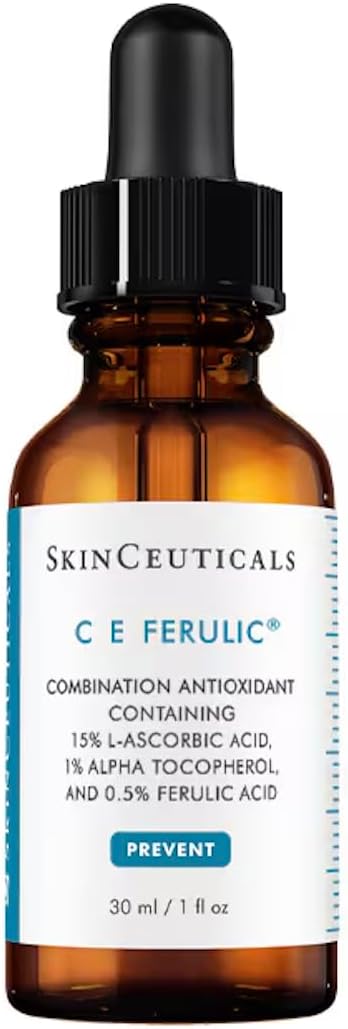
SkinCeuticals C E Ferulic
SkinCeuticals
"L-ascorbic acid 15% at pH 3.5 — the ingredient-first gold standard with full concentration disclosure."
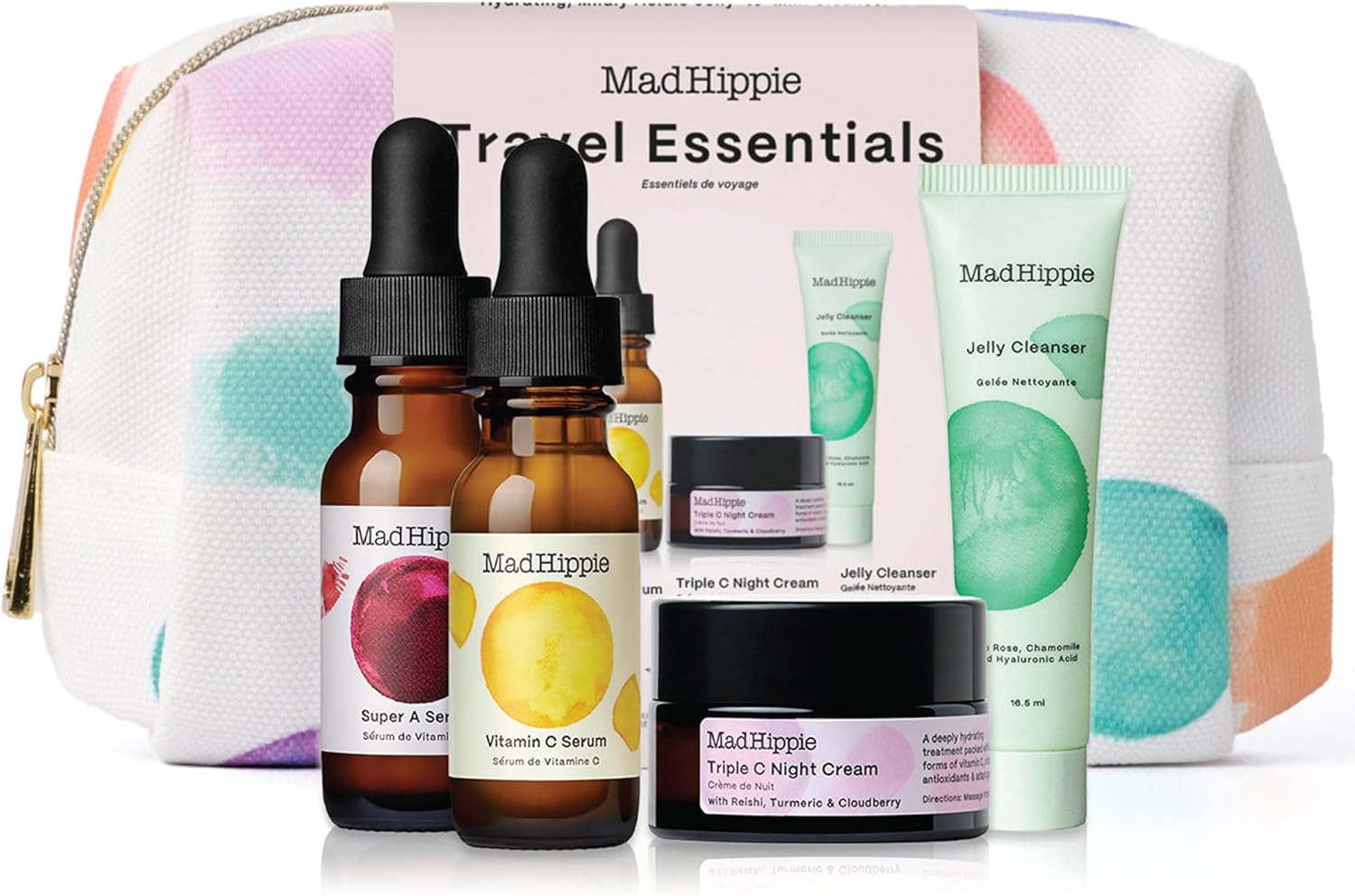
Mad Hippie Vitamin C Serum
Mad Hippie
"Vitamin C derivative serum with disclosed concentration for ingredient-literate purchasing decisions."
SkinCeuticals C E Ferulic
SkinCeuticals
"Niacinamide 10% with disclosed concentration — the benchmark ingredient-first serum."
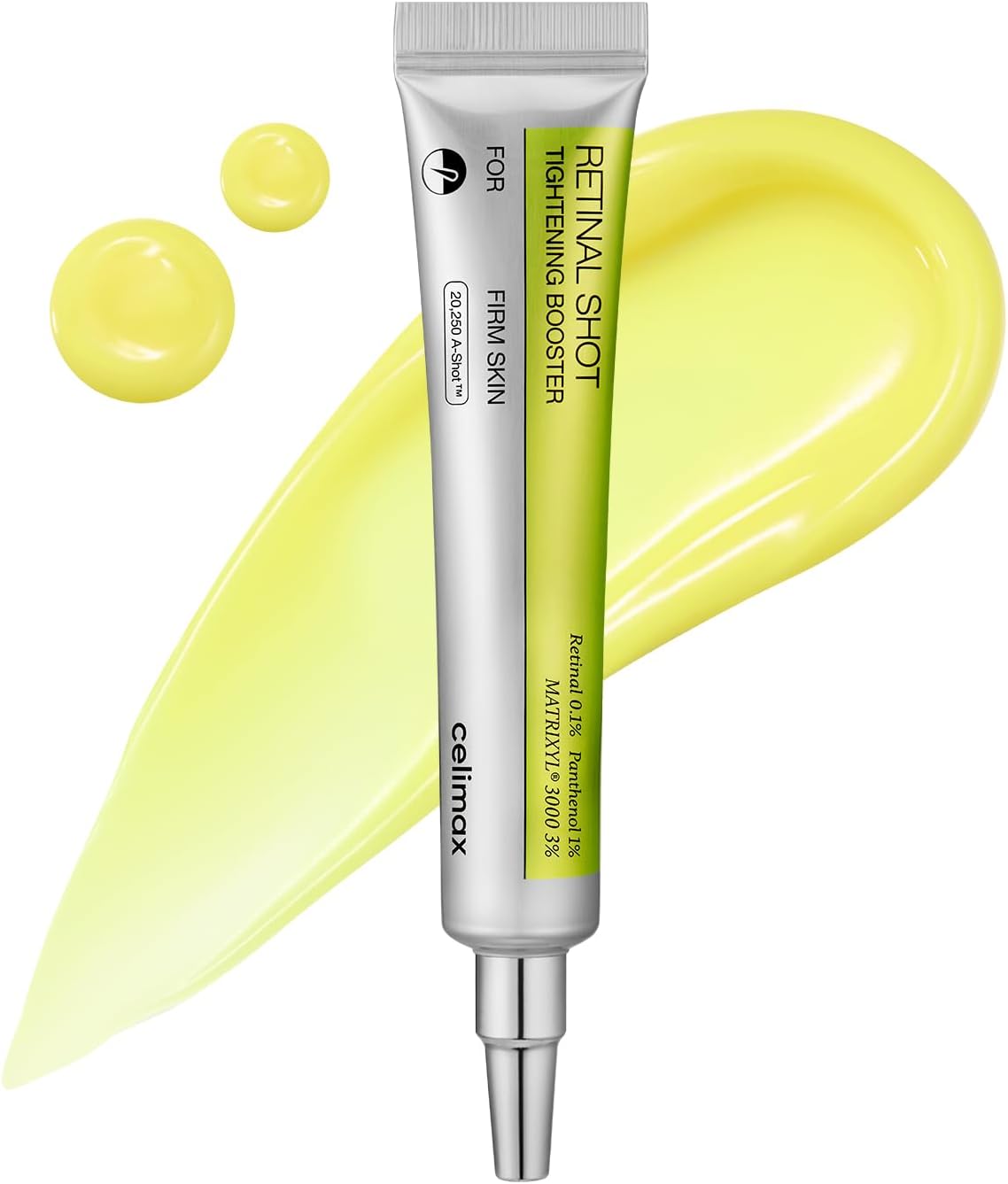
Medik8 Crystal Retinal 10
Medik8
"Retinol with disclosed percentage — transparency-first formulation for educated consumers."
Consumers search ingredients over brand names
What Ingredient-First Searching actually is.
For the first time in modern beauty retail history, consumers are searching for specific ingredients before searching for brand names. Searches like "niacinamide serum," "retinol 0.1%," and "glycolic acid toner" consistently outrank brand-specific queries in beauty categories. This inversion represents a fundamental power shift: educated consumers who understand mechanisms are optimizing for ingredient efficacy rather than brand trust or packaging appeal. The trend is driven by social media dermatology education — content creators explaining how ingredients work — and has forced brands to lead their marketing with ingredient transparency, concentration disclosure, and evidence citation rather than emotional branding. It has also created a new category of "ingredient-first" brands (INKEY List, The Ordinary, Paula's Choice) that built entirely around single-ingredient formulations with disclosed concentrations.
"The scientific driver is straightforward: a 2% niacinamide serum from one brand delivers the same mechanism as a 2% niacinamide serum from another."
Why it matters.
The scientific driver is straightforward: a 2% niacinamide serum from one brand delivers the same mechanism as a 2% niacinamide serum from another. Ingredient-literate consumers understand that efficacy correlates with active ingredient identity, concentration, formulation pH, and vehicle delivery — not with the brand name on the packaging. The emergence of open-access dermatological education (Journal of the American Academy of Dermatology papers becoming freely shared on social media) accelerated this shift. Google Trends data shows ingredient-specific queries growing 340% between 2018 and 2025 for the top-10 skincare actives. The parallel rise of AI skin analysis tools that output ingredient recommendations rather than product names further solidifies ingredient-first search behavior.
Categories reshaped by this movement.
How to apply it.
Approach your skincare like a pharmacist rather than a shopper: start with your skin concern, identify the ingredient with the strongest evidence for that concern (retinol for aging, niacinamide for pore refinement and brightening, BHA for acne and blackheads, vitamin C for hyperpigmentation), then find a product that delivers that ingredient at an effective concentration in a stable formulation. INCIDecoder, CosDNA, and the Paula's Choice ingredient dictionary are the most reliable free tools for decoding product labels. Seek concentration disclosure — any brand confident in its formulation will tell you what percentage of the active is present.
Frequently asked.


Further reading.
- 01Google Trends — Ingredient vs Brand Search Volume in Beauty (2018–2025)
- 02Journal of Cosmetic Dermatology — Consumer Ingredient Literacy Survey (2024)
- 03The Business of Beauty — Ingredient-First Brand Performance (2025)
- 04Paula's Choice Research Center — Ingredient Evidence Database (2025)
Explore the full dispatch.
Browse every trend shaping skincare in 2025–2026 — viral rituals and structural shifts alike.