
Body Care = Face Care
Products aligned with the movement.
Editorially selected from our ranked archive — each chosen for alignment with the body care = face care philosophy.
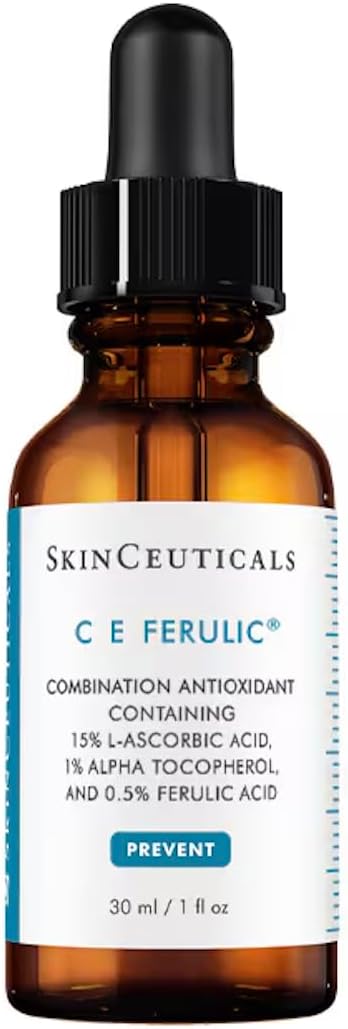
SkinCeuticals C E Ferulic
SkinCeuticals
"Face serum intended for neck and décolletage extension — the most impactful body-face upgrade."
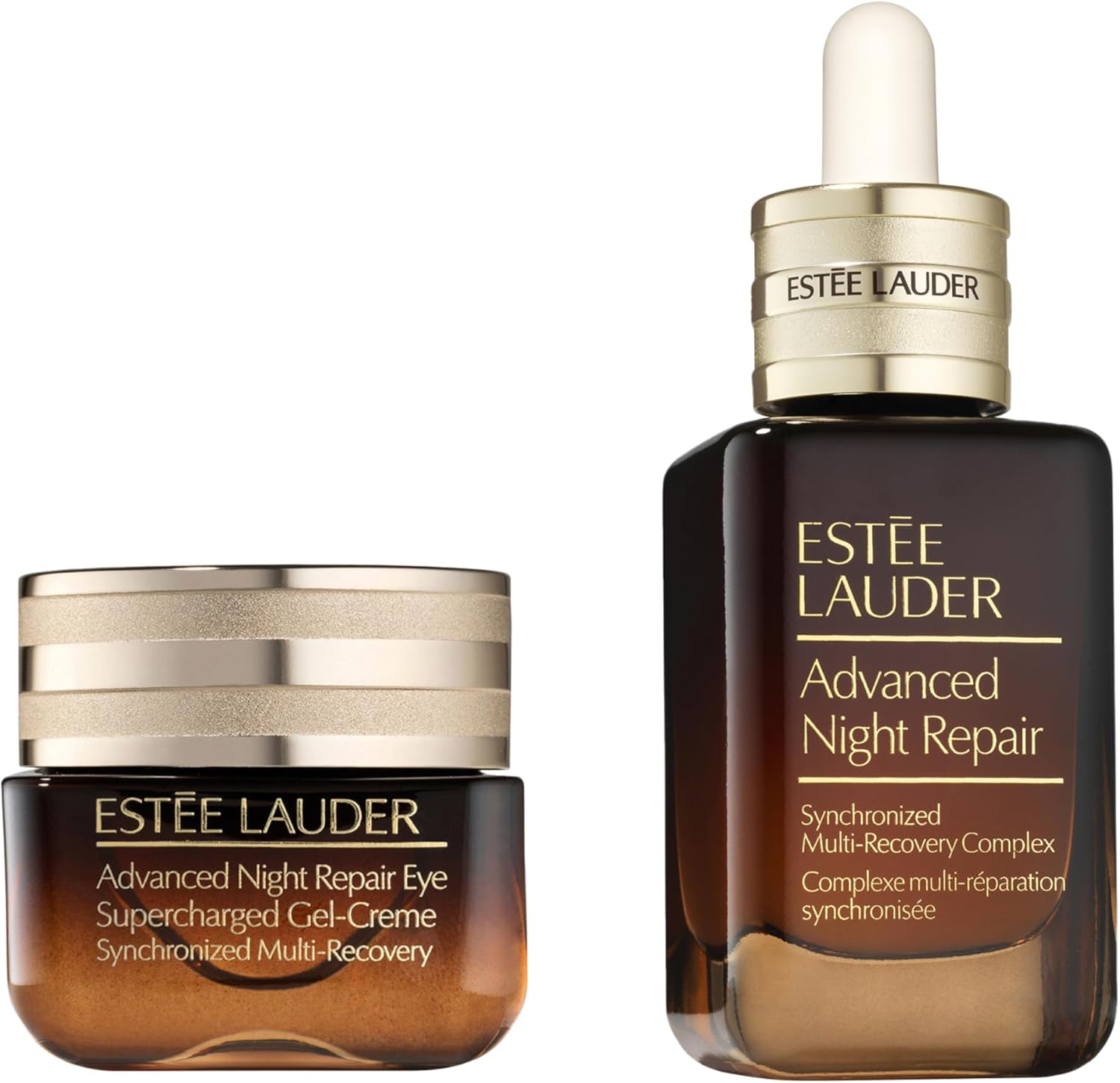
Estee Lauder Advanced Night Repair
Estee Lauder
"Niacinamide brightening serum recommended for chest and shoulder hyperpigmentation treatment."
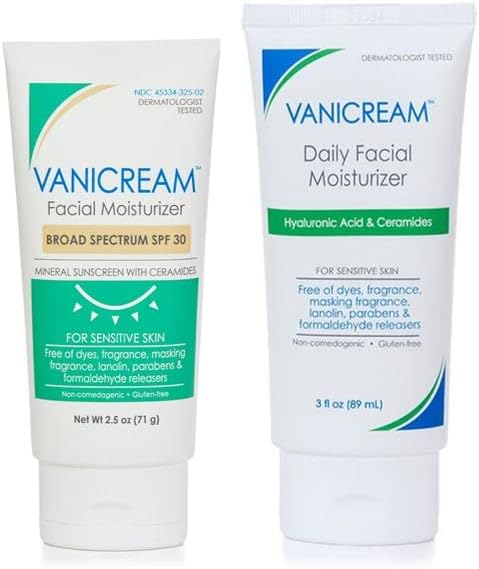
Vanicream Daily Facial Moisturizer
Vanicream
"Ceramide body-weight moisturizer applying face-grade barrier repair science to body skin."
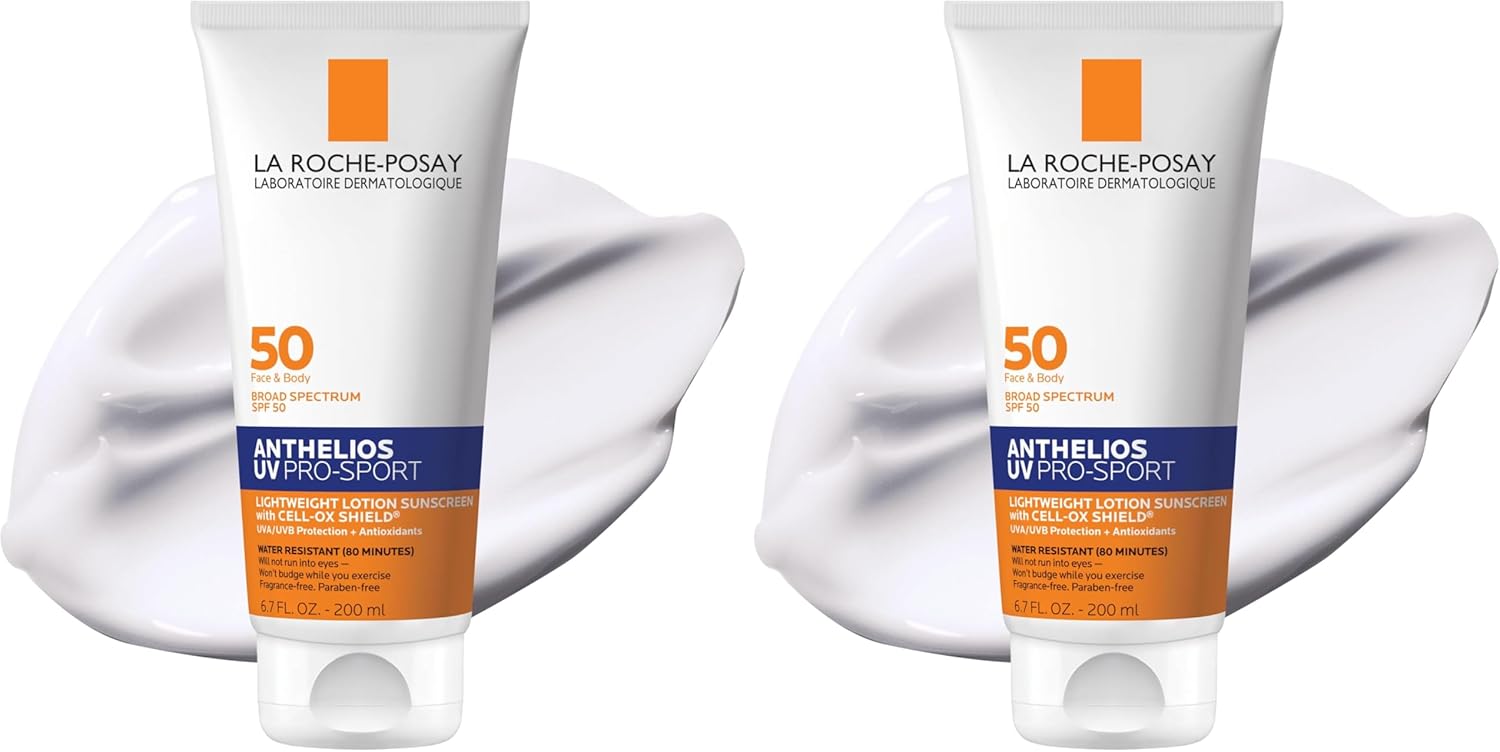
La Roche-Posay Anthelios Melt-in Milk SPF 60
La Roche-Posay
"Lightweight SPF designed for neck, chest, and hand application — face-care sun protection for the body."
Applying facial-grade ingredients and science to body products
What Body Care = Face Care actually is.
The faceification of body care — the application of facial-grade ingredients, scientific formulation standards, and clinical-level active concentrations to body skin — is one of the fastest-growing category expansions in beauty. Body skin has long been treated as a secondary afterthought: thick, fragrant lotions designed for moisturizing without pretense of anti-aging, brightening, or barrier repair. The 2025–2026 shift treats body skin as deserving the same evidence-based approach as facial skin, creating a new category of body serums, exfoliating body treatments (AHA body lotions), barrier-repair body creams (ceramide-rich body emollients), and SPF body formulas. The trigger was consumer recognition that the neck, chest, and hands betray chronological age more visibly than the face — and that those areas had been entirely neglected.
"Body skin differs from facial skin in several pharmacologically relevant ways: it is thicker (stratum corneum layer depth 12–16 cell layers vs 10–12 on face), has lower sebaceous gland density, and shows slower cell turnover rate (approximately 40 days vs 28–30 days for facial epidermis)."
Why it matters.
Body skin differs from facial skin in several pharmacologically relevant ways: it is thicker (stratum corneum layer depth 12–16 cell layers vs 10–12 on face), has lower sebaceous gland density, and shows slower cell turnover rate (approximately 40 days vs 28–30 days for facial epidermis). These differences mean body skin is generally more tolerant of higher active concentrations (AHA 10–15% is well-tolerated on body vs 5–10% for facial use) but less responsive to lightweight formulations that work on the face. Photoaging on décolletage and hands accumulates as rapidly as on the face but receives far less SPF protection — studies show sunscreen application to neck/chest occurs in fewer than 20% of daily SPF users. Retinoid tolerance on body skin is higher than on facial skin, supporting bolder concentration use in body formulations.
Categories reshaped by this movement.
How to apply it.
Start with a body AHA exfoliator: a lactic acid or glycolic acid body lotion at 10–12% concentration used 2–3x per week on rough areas (elbows, knees, upper arms for keratosis pilaris). Follow with a ceramide body cream to repair the barrier post-exfoliation. For anti-aging focus: extend your facial SPF application to neck and décolletage daily — this single habit change produces significant long-term photoaging prevention. For brightening: a niacinamide body serum can address uneven skin tone on back and chest. Retinol body lotions at 0.1–0.3% work well for body photoaging with significantly lower irritation risk than equivalent facial concentrations.
Frequently asked.


Further reading.
- 01Journal of Cosmetic Dermatology — Body vs Facial Skin Pharmacology (2023)
- 02Photodermatology, Photoimmunology & Photomedicine — Décolletage Photoaging and SPF Use (2024)
- 03Journal of the European Academy of Dermatology — AHA Concentration Tolerance in Body Skin (2023)
- 04NPD Beauty Industry Report — Body Serum Category Growth 2024–2025
Explore the full dispatch.
Browse every trend shaping skincare in 2025–2026 — viral rituals and structural shifts alike.