
Skin Barrier Repair
Products aligned with the movement.
Editorially selected from our ranked archive — each chosen for alignment with the skin barrier repair philosophy.
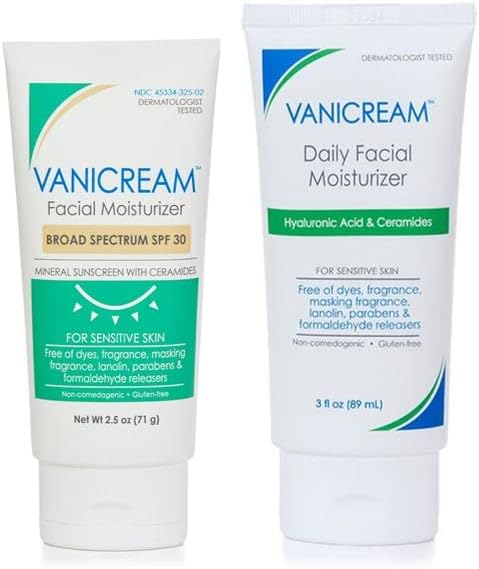
Vanicream Daily Facial Moisturizer
Vanicream
"Ceramide NP/AP/EOP + cholesterol triple-lipid formula for complete barrier reconstitution."
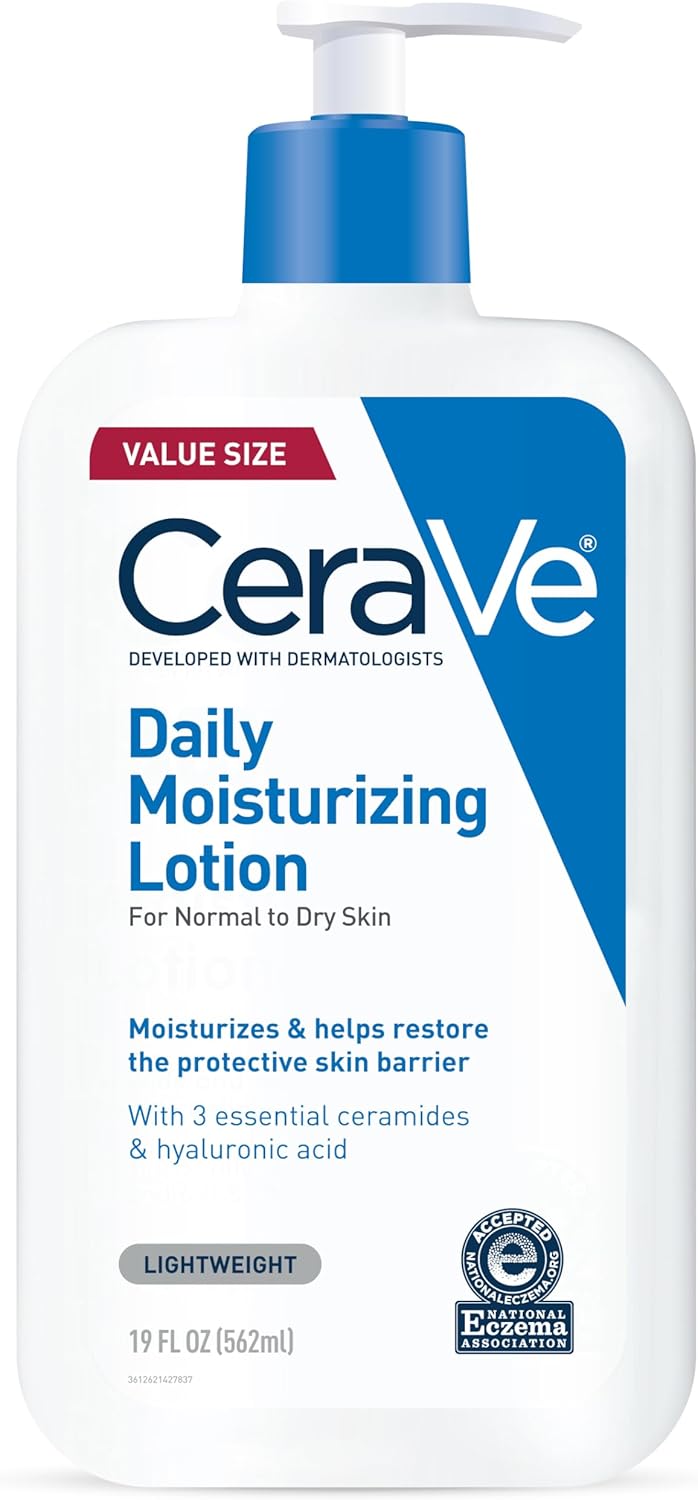
CeraVe Daily Moisturizing Lotion
CeraVe
"Barrier-focused moisturizer with MLE (multi-lamellar emulsion) technology for deep lipid replenishment."
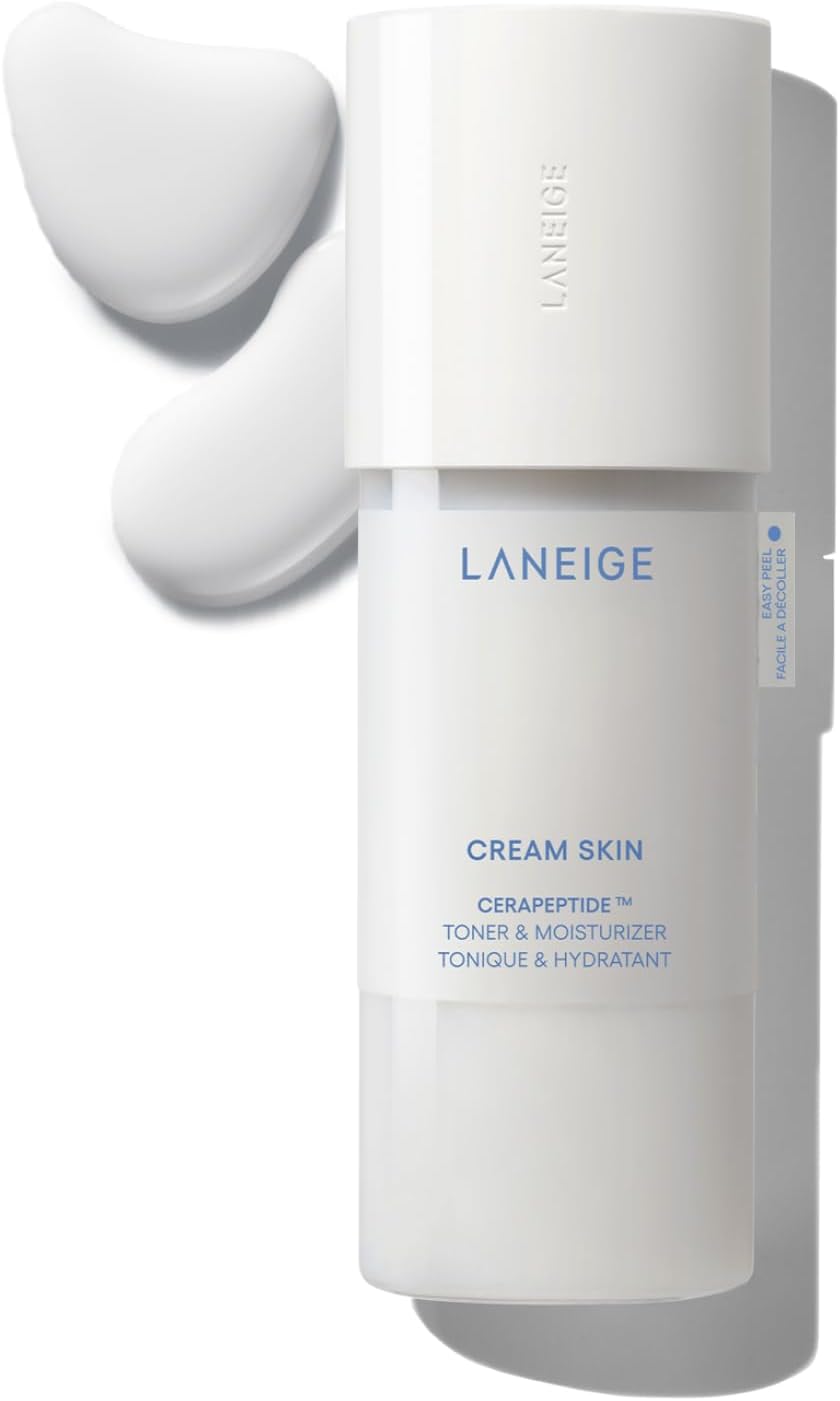
Laneige Cream Skin Toner & Moisturizer
Laneige
"Gentle hydrating toner that preserves acid mantle pH during barrier recovery."
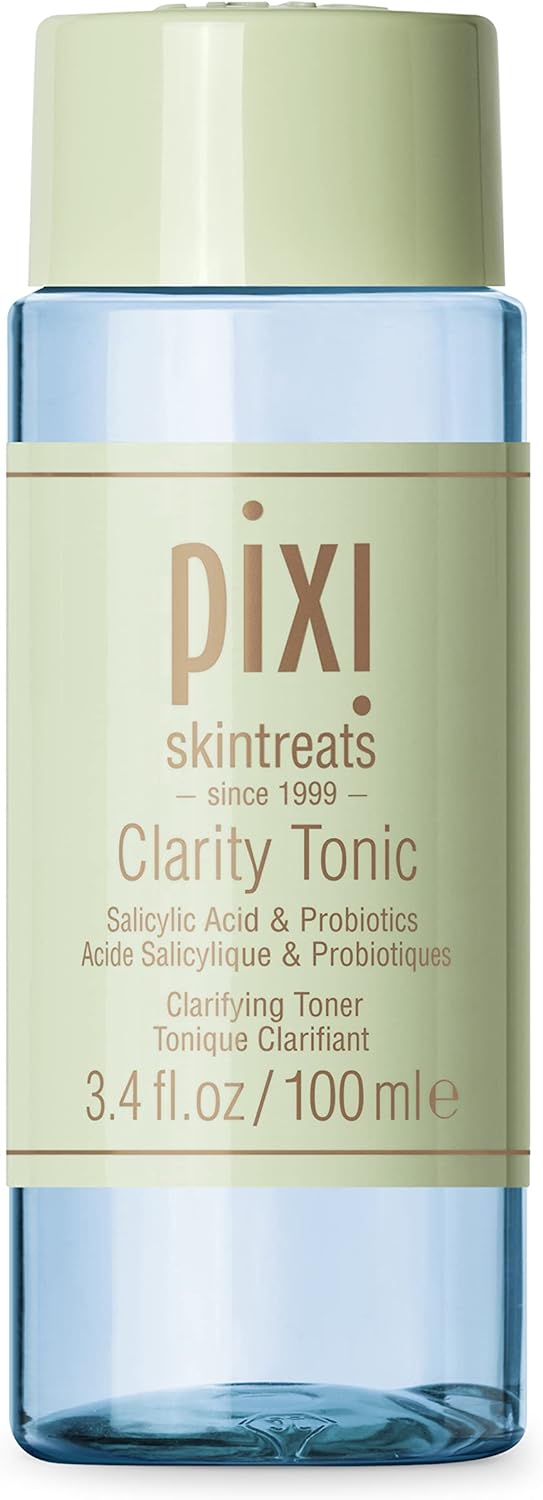
Pixi Glow Tonic Exfoliating Toner
Pixi
"Ceramide essence toner for the first hydration layer of a barrier repair routine."
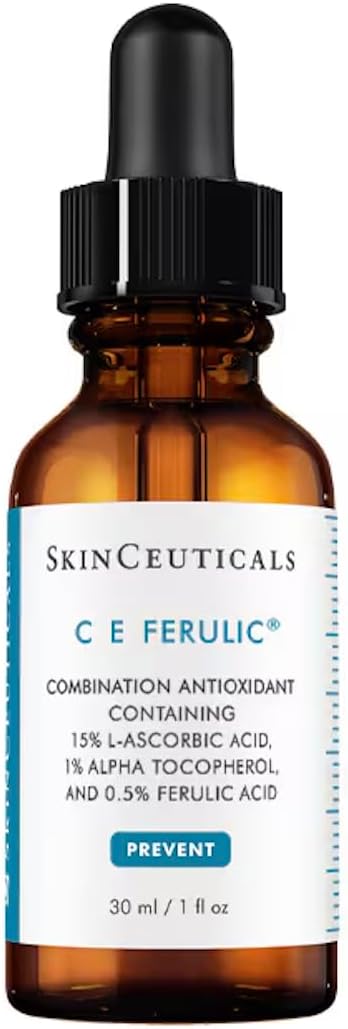
SkinCeuticals C E Ferulic
SkinCeuticals
"Niacinamide barrier serum that stimulates ceramide biosynthesis from within."
Ceramide-rich, barrier-first formulations replacing harsh actives
What Skin Barrier Repair actually is.
The skin barrier repair movement has fundamentally reoriented what the skincare industry considers its primary product mandate. Rather than selling results through potency — maximizing active ingredient concentration to produce visible changes — the barrier-first philosophy prioritizes restoring and maintaining the skin's structural integrity as the prerequisite for any effective skincare. Brands that led the barrier repair category (CeraVe, La Roche-Posay, Avène) saw 200–400% growth in the 2020s as consumers, many of whom had damaged their barriers through over-enthusiastic use of trending actives, sought repair-focused products. The trend is now deeply embedded in how dermatologists prescribe skincare and how beauty editors frame ingredient recommendations.
"The stratum corneum's lamellar lipid matrix — ceramides (50%), cholesterol (25%), free fatty acids (15%), and minor lipid species — functions as both a physical barrier against TEWL and a chemical barrier against allergens, irritants, and pathogens."
Why it matters.
The stratum corneum's lamellar lipid matrix — ceramides (50%), cholesterol (25%), free fatty acids (15%), and minor lipid species — functions as both a physical barrier against TEWL and a chemical barrier against allergens, irritants, and pathogens. Ceramide depletion is the primary driver of common barrier dysfunction conditions: atopic dermatitis, sensitive skin syndrome, and rosacea all share ceramide deficiency as a pathological feature. Restoring the 1:1:1 ceramide:cholesterol:fatty acid ratio (as in MLE formulations) has been shown to reduce TEWL by 40–60% within 4 weeks. Niacinamide uniquely supports barrier repair by upregulating ceramide biosynthesis enzymes (serine palmitoyltransferase) rather than simply supplementing exogenous ceramides. The skin's acid mantle (pH 4.5–5.5) must be preserved — alkaline cleansers above pH 7 disrupt the pH-dependent enzymes essential for lamellar body processing.
Categories reshaped by this movement.
How to apply it.
Identify whether your barrier is compromised: stinging on product application, persistent redness, tight dehydrated feeling post-cleanse, and skin that was previously normal but has become reactive are the classic signs. If compromised: 4-week active-free reset using pH-balanced cleanser, ceramide moisturizer twice daily, and SPF. Re-introduce actives one at a time after the reset at low frequency. For maintenance: never use a non-pH-balanced cleanser, always close your routine with a ceramide moisturizer, and limit exfoliant use to 2–3x per week maximum.
Frequently asked.
Further reading.
- 01Journal of Investigative Dermatology — Ceramide Ratio and Barrier Function (2023)
- 02British Journal of Dermatology — Niacinamide and Ceramide Synthesis (2022)
- 03Dermatology and Therapy — Acid Mantle pH and Skin Health (2024)
- 04CeraVe Clinical Research — Ceramide Moisturizer Efficacy (2023)
Explore the full dispatch.
Browse every trend shaping skincare in 2025–2026 — viral rituals and structural shifts alike.