
Slugging 2.0
Products that embody this.
Editorially selected from our ranked archive.
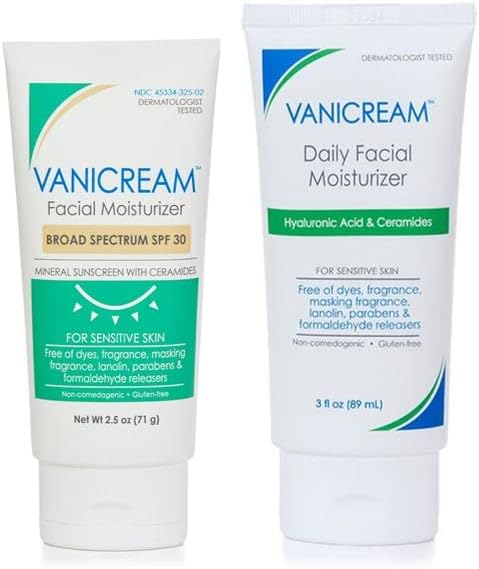
Vanicream Daily Facial Moisturizer
Vanicream
“Rich ceramide balm that delivers Slugging 2.0 benefits — occlusive sealing without petrolatum sensitivity concerns.”
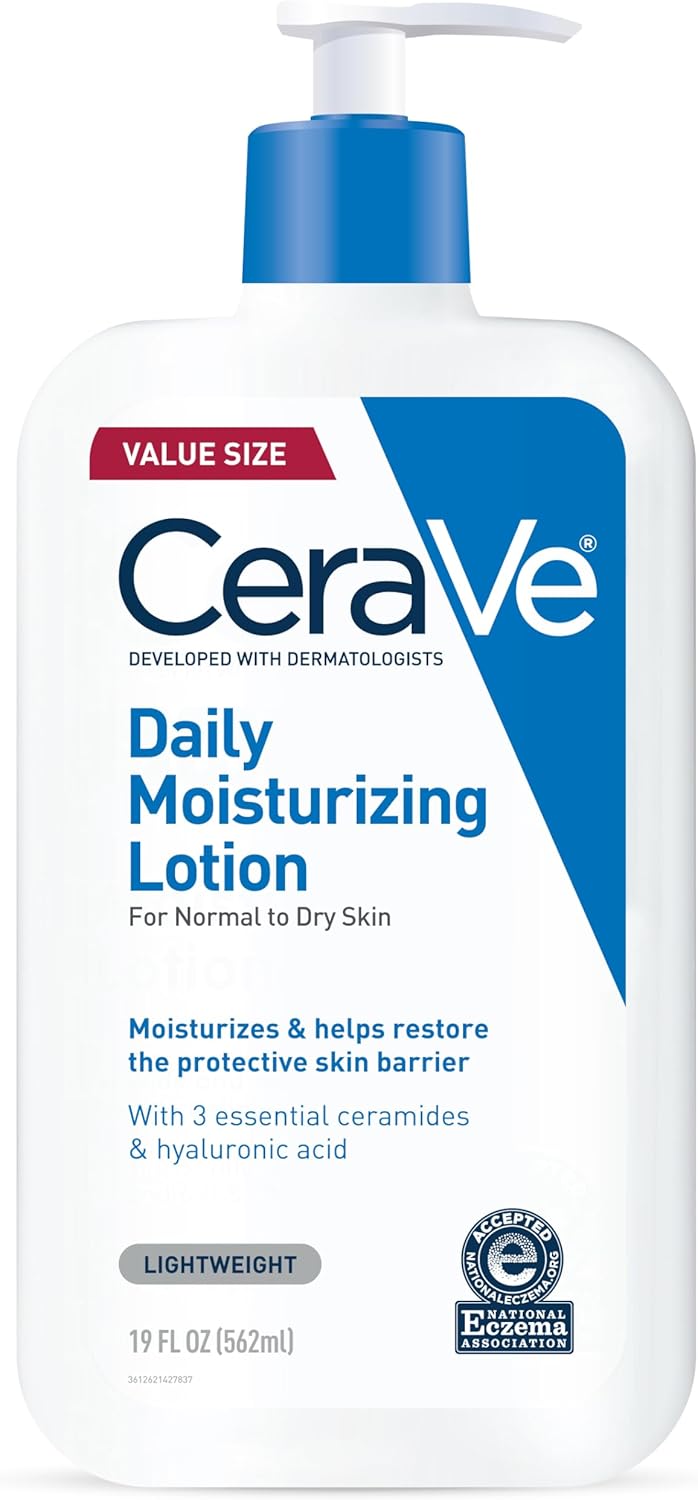
CeraVe Daily Moisturizing Lotion
CeraVe
“Squalane-rich overnight cream that functions as a smart slugging alternative for acne-prone skin.”
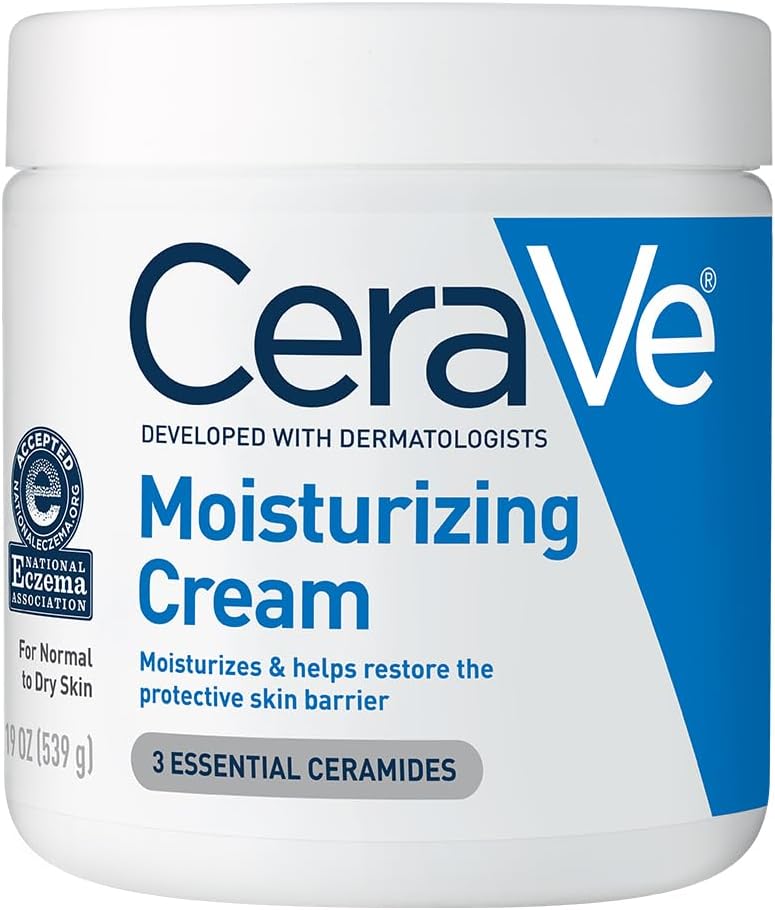
CeraVe Moisturizing Cream
CeraVe
“Barrier-sealing night cream formulated for the final slugging step in a complete routine.”
K-Beauty inspired occlusive layering. Vaseline slugging evolved into "smart slugging" with targeted occlusives.
What Is Slugging 2.0?
Slugging is the practice of applying a thick occlusive agent — most famously petroleum jelly (Vaseline) — as the final step of a nighttime skincare routine. The name comes from the shiny, snail-trail appearance it gives skin. Originally popularized in Korean beauty forums in the late 2010s, it reached global viral status in 2021 via TikTok and has continued evolving. Slugging 2.0 refers to the next generation of this practice: swapping petroleum jelly for more sophisticated occlusives like squalane-based balms, lanolin creams, or microbiome-friendly formulas that add active benefit while still providing the sealing effect. The 2.0 iteration addresses two criticisms of classic slugging: comedogenicity concerns for acne-prone skin and the unsatisfying texture of pure petrolatum. By 2025 the market for "non-greasy occlusives" had become a distinct product category.
“Occlusives work by forming a physical barrier on the skin surface that reduces transepidermal water loss (TEWL) by impeding evaporation rather than adding moisture directly.”
Why it works.
Occlusives work by forming a physical barrier on the skin surface that reduces transepidermal water loss (TEWL) by impeding evaporation rather than adding moisture directly. Petrolatum is the gold standard occlusive — it reduces TEWL by up to 98% under clinical conditions and has the longest safety record of any skincare ingredient. The skin barrier's own lipid matrix (ceramides, fatty acids, cholesterol in a 1:1:1 ratio) is semi-occlusive but imperfect; slugging effectively supplements it overnight. The Slugging 2.0 alternatives — squalane, lanolin, shea butter — are less effective as pure occlusives (40–70% TEWL reduction vs petrolatum's 98%) but offer additional emollient and humectant properties. Squalane mimics the skin's own sebum lipids and has a comedogenicity rating of 0–1, making it the preferred choice for oily and acne-prone users.
How to try slugging 2.0.
Complete your full nighttime routine — cleanser, actives, serum, moisturizer. As the very last step, take a pea-sized amount of your chosen occlusive and warm it between your fingertips. Press (don't rub) it across your face focusing on areas prone to dryness or barrier breakdown: cheeks, around the mouth, forehead. Avoid the nose and inner eye area if you are acne-prone. For Slugging 2.0, try a squalane balm, a lanolin lip-and-face treatment, or a ceramide-petrolatum hybrid. Sleep on a silk pillowcase to reduce the product transferring off. In the morning, rinse with a gentle cleanser — no need for a full cleanse.
Key products & habits
Questions, answered.
Related dispatches.

Hyaluronic Acid + Ceramide Combo
Barrier-first hydration. HA + Ceramide is the most recommended combo by derms.
Read →
Beef Tallow for Skin
100% grass-fed beef tallow as moisturizer. Controversial but search volume exploding in 2025.
Read →
Skin Barrier Repair Focus
Consumers now understand inflammation causes 'cortisol face'. Ceramide and barrier searches soaring.
Read →- 1.Journal of the American Academy of Dermatology — Petrolatum Occlusion and TEWL (2022)
- 2.International Journal of Dermatology — Squalane in Skincare Formulation (2024)
- 3.Google Trends — slugging skincare peak searches 2021–2025
- 4.Dermatitis Journal — Occlusive Therapy in Barrier Repair (2023)