
Beef Tallow for Skin
Products that embody this.
Editorially selected from our ranked archive.
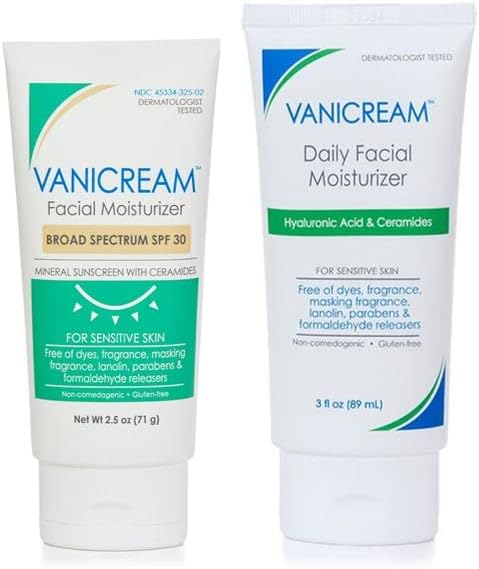
Vanicream Daily Facial Moisturizer
Vanicream
“Rich emollient moisturizer with tallow-comparable fatty acid profile for those seeking the occlusivity without the source.”
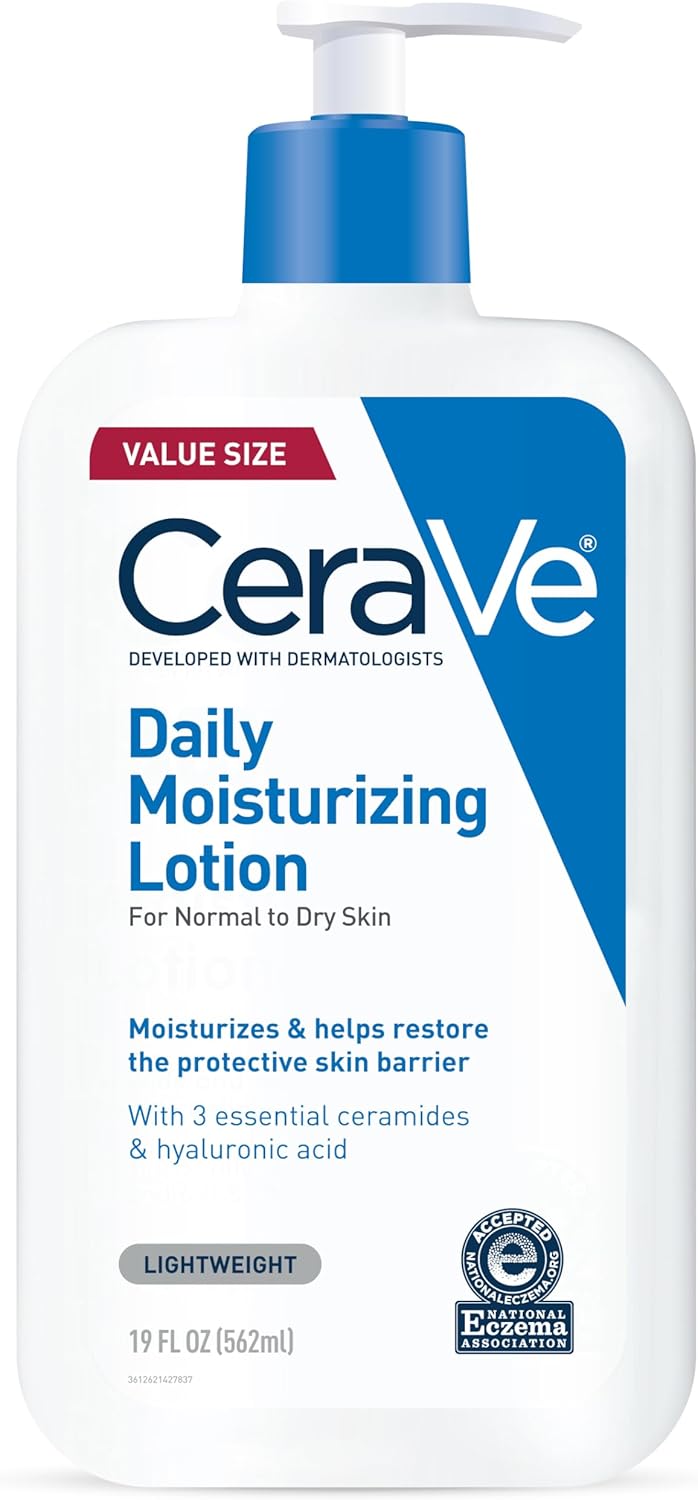
CeraVe Daily Moisturizing Lotion
CeraVe
“Ceramide balm that delivers what tallow users want — barrier sealing and dry skin relief — via evidence-backed ingredients.”
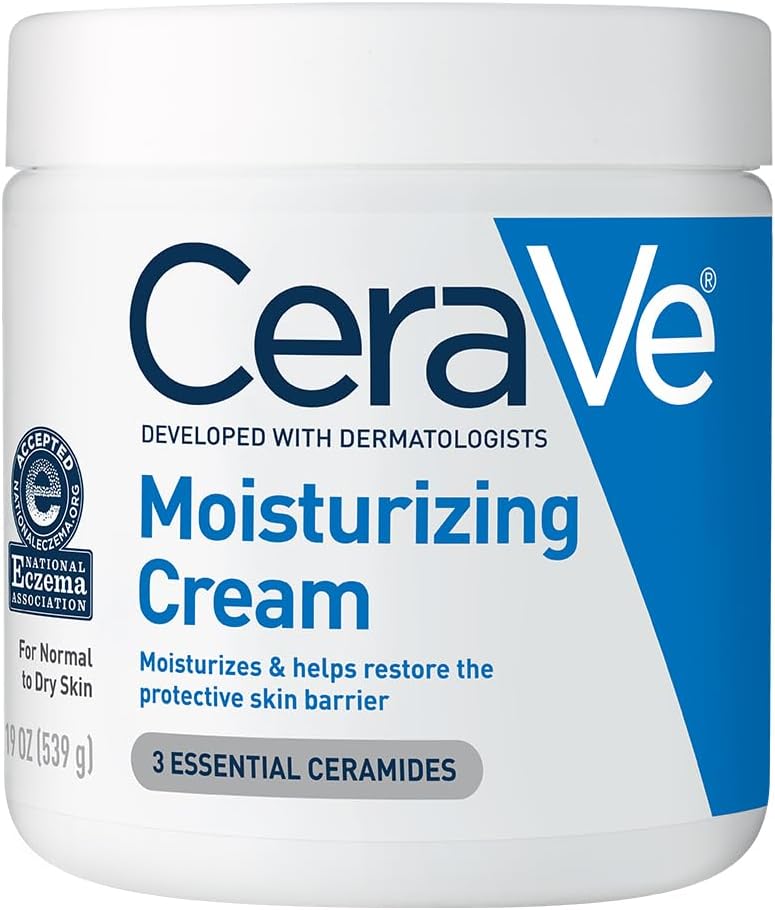
CeraVe Moisturizing Cream
CeraVe
“Multi-lipid barrier cream providing the same oleic + stearic acid profile as tallow in a stable formulation.”
100% grass-fed beef tallow as moisturizer. Controversial but search volume exploding in 2025.
What Is Beef Tallow for Skin?
Beef tallow as a moisturizer is one of the most divisive skincare trends of the 2020s. Tallow — rendered, purified animal fat from cattle — was a common skincare ingredient before the industrialization of cosmetics in the 20th century. Its resurgence is driven by two overlapping communities: ancestral health advocates who argue that pre-industrial skin care practices produced superior results, and skeptics of synthetic ingredient-heavy cosmetics who prefer products with three or fewer recognizable components. Search volume for beef tallow skincare exploded in mid-2024 on TikTok, with creators claiming it cured eczema, acne, and dehydrated skin better than any commercial moisturizer. Dermatological opinion is mixed: tallow's fatty acid profile is genuinely biocompatible, but clinical evidence comparing it to modern ceramide formulations is absent.
“Beef tallow is composed primarily of oleic acid (40–50%), palmitic acid (25–30%), stearic acid (20–25%), and small amounts of linoleic acid and palmitoleic acid.”
Why it works.
Beef tallow is composed primarily of oleic acid (40–50%), palmitic acid (25–30%), stearic acid (20–25%), and small amounts of linoleic acid and palmitoleic acid. This fatty acid profile partially resembles human sebum (oleic 25%, palmitic 22%, stearic 10%), which makes it a reasonable emollient candidate. Oleic acid penetrates the stratum corneum lipid bilayer and provides both emollient and mild occlusive effects. Stearic acid provides barrier-reinforcing properties similar to ceramide precursors. However, tallow is notably low in linoleic acid — an essential fatty acid that is deficient in acne-prone skin. High-oleic ingredients can worsen acne in some individuals. Tallow lacks ceramides, hyaluronic acid, niacinamide, or any other active ingredient with peer-reviewed efficacy data. Grass-fed tallow does contain fat-soluble vitamins A, D, E, and K at low concentrations.
How to try beef tallow for skin.
If you want to try beef tallow, source from a reputable supplier of grass-fed, food-grade tallow that has been triple-rendered and filtered to remove impurities. Apply a small pea-sized amount to damp skin after cleansing, as you would any other moisturizer. Test on a small area first for 1–2 weeks before full-face use. If you are acne-prone, approach with significant caution — the high oleic acid content may exacerbate comedone formation. Pure tallow has no preservatives, so keep it refrigerated and use within 60 days of opening. Commercial tallow skincare products typically add rosehip or jojoba oil to improve the linoleic acid profile.
Key products & habits
Questions, answered.
Related dispatches.

Slugging 2.0
K-Beauty inspired occlusive layering. Vaseline slugging evolved into "smart slugging" with targeted occlusives.
Read →
Skinimalism
Fewer products, better results. Simplified routines gaining massive traction.
Read →
Skin Barrier Repair Focus
Consumers now understand inflammation causes 'cortisol face'. Ceramide and barrier searches soaring.
Read →- 1.International Journal of Dermatology — Fatty Acid Profiles in Skin Emollients (2023)
- 2.Journal of Lipid Research — Sebum Composition and Acne (2022)
- 3.Google Trends — beef tallow skincare peak Q3 2024
- 4.American Academy of Dermatology — Emollient Comparison for Eczema Management (2024)