
Blue Beauty
Products that embody this.
Editorially selected from our ranked archive.
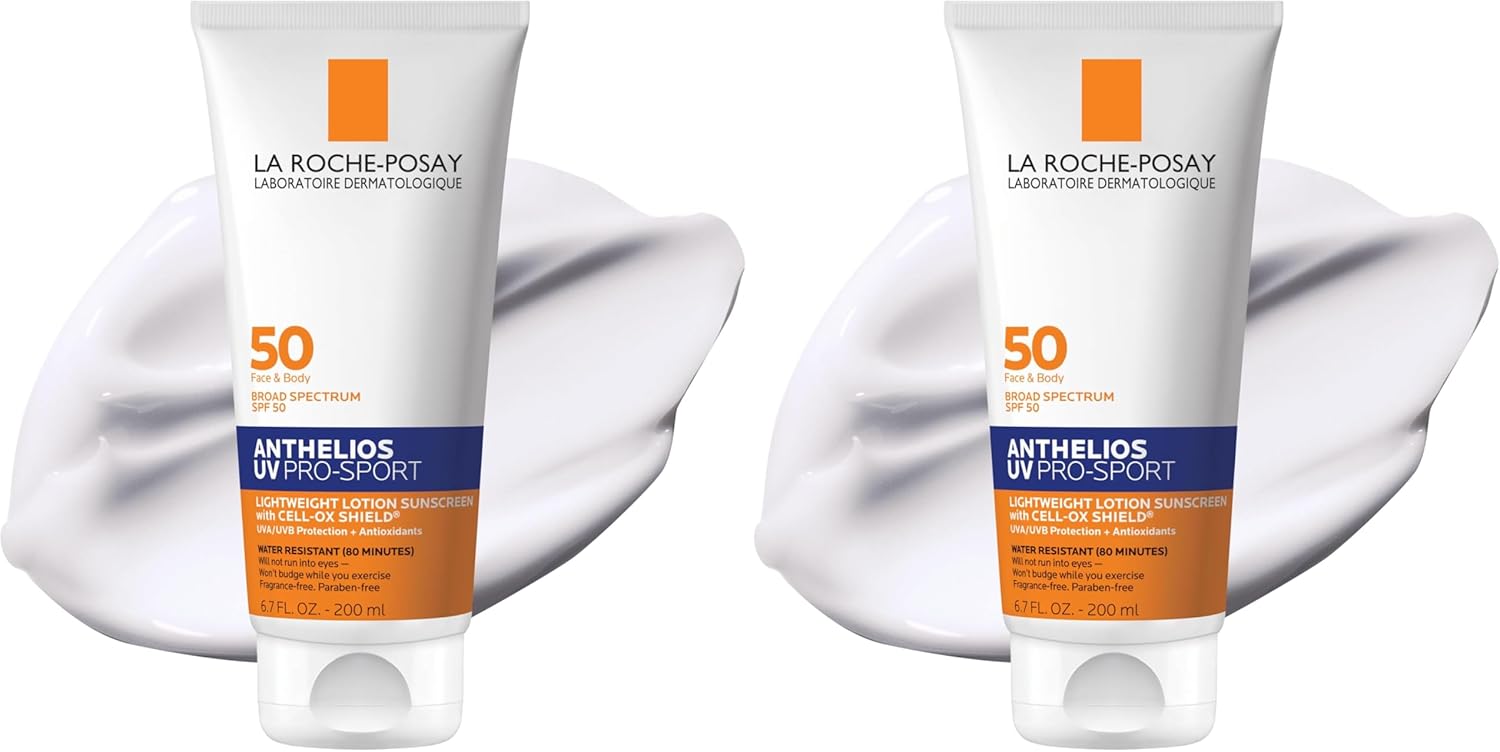
La Roche-Posay Anthelios Melt-in Milk SPF 60
La Roche-Posay
“Non-nano zinc oxide SPF 50 — the gold standard reef-safe sunscreen formula.”
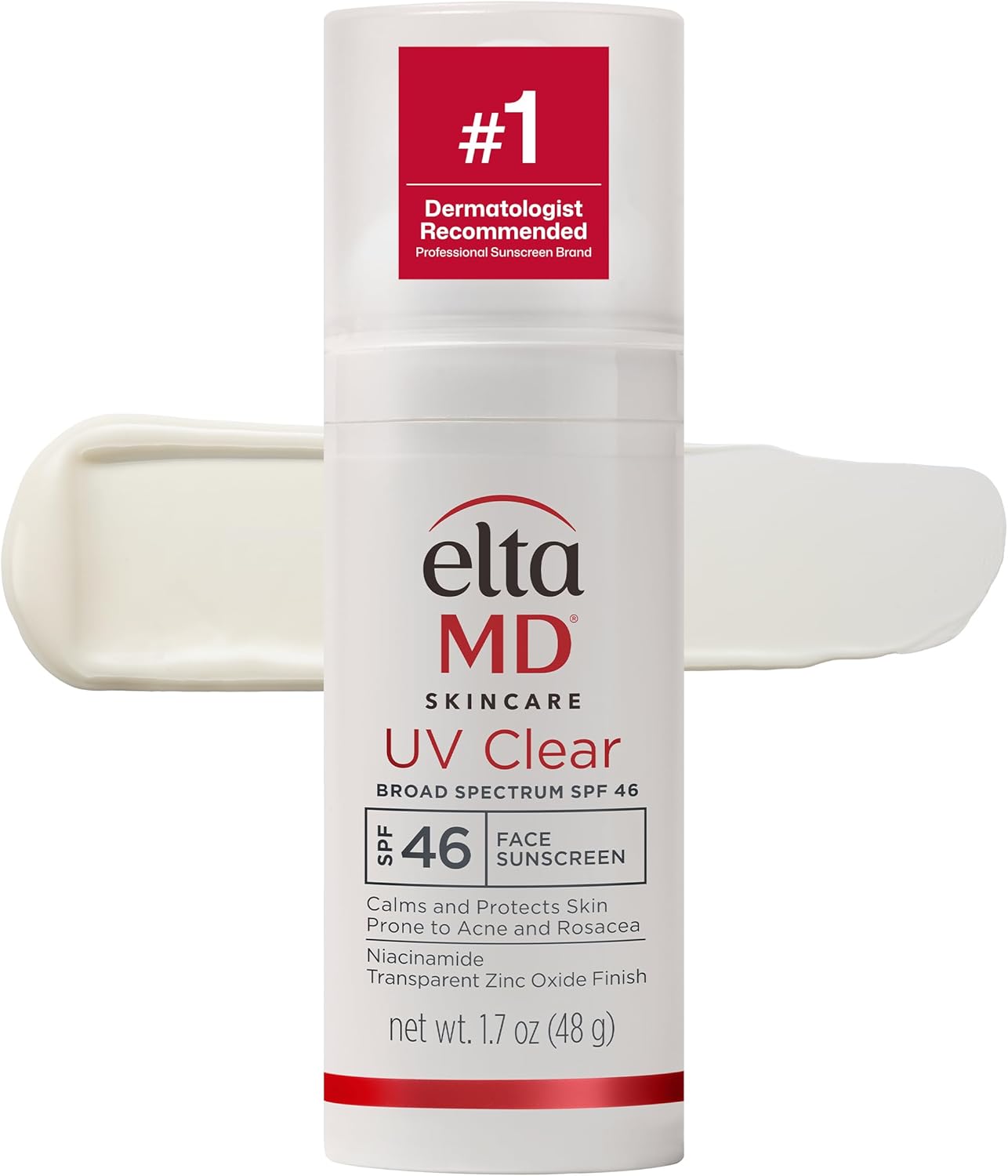
EltaMD UV Clear Broad-Spectrum SPF 46
EltaMD
“Mineral SPF with ocean-safe certification and biodegradable formula — Blue Beauty benchmark.”
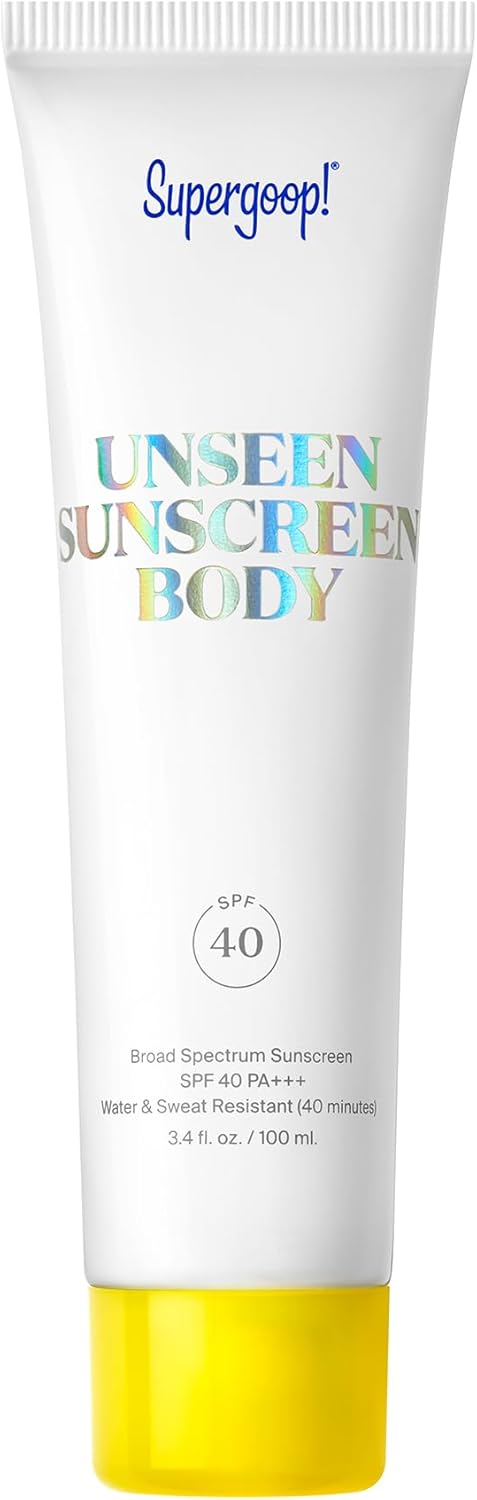
Supergoop! Unseen Sunscreen SPF 40
Supergoop!
“Non-nano titanium dioxide sunscreen in eco-conscious packaging — no oxybenzone, no octinoxate.”
Ocean-safe and reef-safe products. 2026 breakout search term in conscious beauty.
What Is Blue Beauty?
Blue Beauty is the third wave of conscious beauty after "clean beauty" (no harmful chemicals) and "green beauty" (natural ingredients). Blue Beauty specifically focuses on protecting aquatic ecosystems — coral reefs, marine life, and ocean chemistry — from the skincare and cosmetics industry's environmental footprint. The term was popularized by brands like Beekman 1802 and Beach House Skincare and gained regulatory urgency after Hawaii, Key West, and Palau enacted bans on oxybenzone and octinoxate, two common chemical UV filters found in most conventional sunscreens. Research published in 2008 and later confirmed in 2023 showed that oxybenzone causes coral reef bleaching at concentrations as low as 62 parts per trillion. Blue Beauty has since expanded beyond sunscreen to include ocean-safe packaging, sustainably harvested marine ingredients, and water treatment compatibility.
“Oxybenzone (benzophenone-3) is an endocrine disruptor to marine invertebrates at concentrations well below typical ocean contamination levels.”
Why it works.
Oxybenzone (benzophenone-3) is an endocrine disruptor to marine invertebrates at concentrations well below typical ocean contamination levels. It inhibits coral symbiont (Symbiodinium) reproduction, accelerates coral bleaching, and accumulates in fish tissue. Octinoxate similarly damages coral DNA. The approved reef-safe filters — zinc oxide and titanium dioxide in non-nano mineral form — work via physical UV scattering rather than chemical absorption and are considered inert in marine environments. However, "nano" mineral filters (particles <100nm) are under scrutiny as they can penetrate fish gills and show mild biological activity in marine organisms. Non-nano mineral formulations are the cleanest option currently available. Oceans absorb 14,000 tons of sunscreen annually from swimmers and beach-goers — the scale of contamination is large enough that individual consumer choices have measurable reef impact.
How to try blue beauty.
Switch to a reef-safe mineral SPF using non-nano zinc oxide or non-nano titanium dioxide as the active UV-blocking ingredient. Verify this on the label — "reef safe" is not a regulated claim in most markets and can be used freely. Avoid sunscreens listing: oxybenzone, octinoxate, octocrylene, homosalate, avobenzone (debated), and nano-particle mineral filters. For the rest of your routine, look for "ocean-safe" packaging claims and brands that offset plastic use or use ocean-reclaimed plastic. Marine ingredients (algae extracts, sea kelp) are sustainable when harvested via certified aquaculture operations — look for MSC or equivalent certification.
Key products & habits
Questions, answered.
Related dispatches.

Skinimalism
Fewer products, better results. Simplified routines gaining massive traction.
Read →
Neurocosmetics
'Mood-boosting beauty' - skincare that impacts your mental well-being. Emerging 2026 search trend.
Read →
Skin Barrier Repair Focus
Consumers now understand inflammation causes 'cortisol face'. Ceramide and barrier searches soaring.
Read →- 1.Environmental Health Perspectives — Oxybenzone and Coral Reef Toxicity (2023 update)
- 2.NOAA — Sunscreen and Coral Reef Chemical Exposure Study (2022)
- 3.Journal of Hazardous Materials — Nano-Mineral Sunscreen Marine Toxicity (2024)
- 4.Hawaii State Legislature — Sunscreen Chemical Ban Act (2021)