
AI-Powered Personalization
Products that embody this.
Editorially selected from our ranked archive.
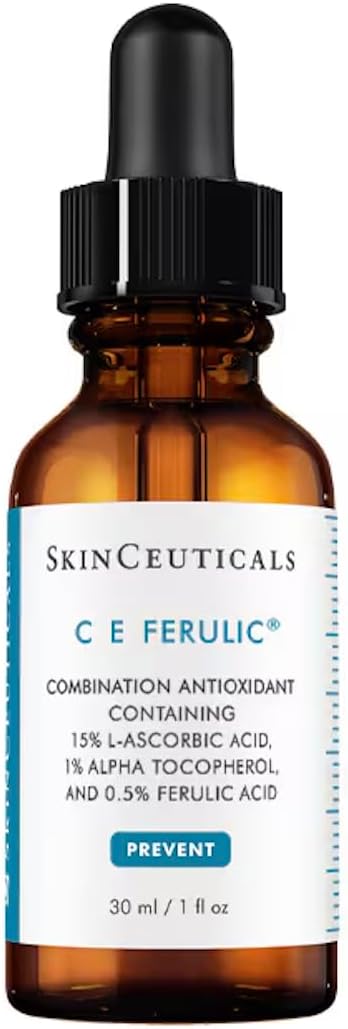
SkinCeuticals C E Ferulic
SkinCeuticals
“Data-driven niacinamide serum — the most commonly AI-recommended active for barrier health and brightening.”
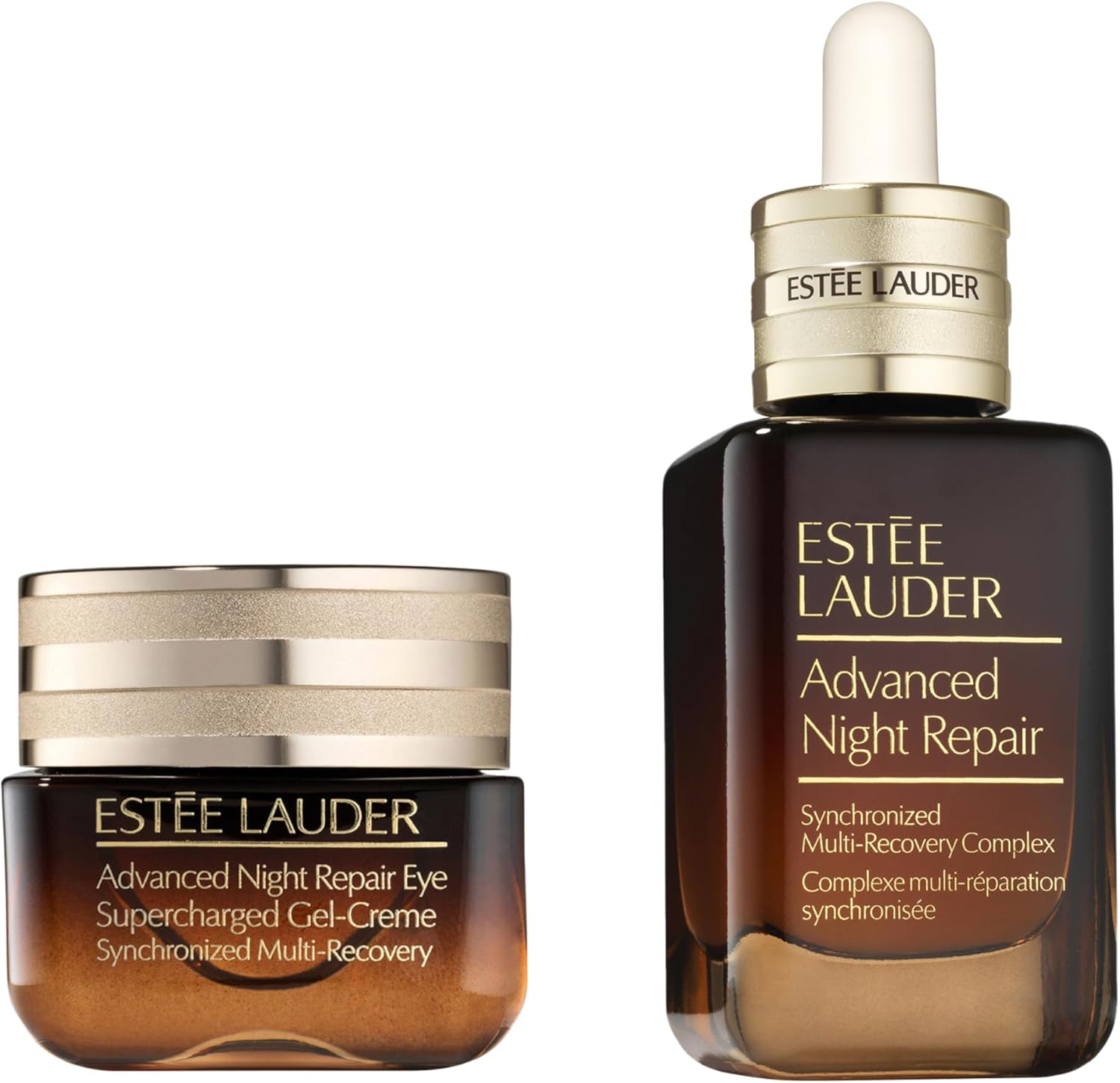
Estee Lauder Advanced Night Repair
Estee Lauder
“Multi-target serum formulated using clinical outcome data — precision skincare without bespoke pricing.”
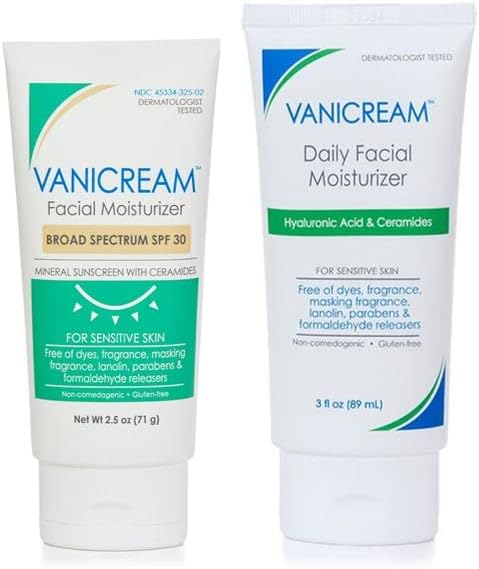
Vanicream Daily Facial Moisturizer
Vanicream
“Ceramide moisturizer consistently top-rated across AI recommendation platforms for barrier repair.”
SkinCeuticals C E Ferulic
SkinCeuticals
“Vitamin C serum — the top AI-recommended morning active across personalization platforms in 2025.”
AI and AR-powered skin analysis tools and custom product matching.
What Is AI-Powered Personalization?
AI-powered personalization is rapidly transforming how consumers discover, select, and use skincare products. The shift is from universal formulas to individualized recommendations — using machine learning models trained on dermatological databases, real-world outcome data, and image analysis of skin condition to generate routines tailored to each person's skin type, concerns, environment, and lifestyle. The major applications include: AI skin analysis apps (Skin, PROVEN, SkinGPT) that analyze selfie photos and questionnaires to generate routines; smart diagnostic devices (Neutrogena Skin360, L'Oréal Perso) that scan skin metrics like pore size, wrinkle depth, and hydration level; AI-formulated custom serums (Function of Beauty, Curology) where the product itself is manufactured to order; and chatbot-based recommendation engines embedded in beauty retail platforms. By 2025, over 60% of major beauty retailers had integrated AI recommendation tools.
“The scientific foundation for AI personalization lies in two converging fields: dermatological phenotyping and machine learning image analysis.”
Why it works.
The scientific foundation for AI personalization lies in two converging fields: dermatological phenotyping and machine learning image analysis. Skin conditions are highly heterogeneous — two people with "oily, acne-prone" skin may have entirely different underlying drivers (hormonal acne vs. comedonal acne vs. SIBO-related gut-skin axis disruption) requiring different ingredient approaches. AI models trained on large dermatological outcome datasets can identify these subtype correlations that escape rule-based recommendation systems. Skin imaging AI uses convolutional neural networks (CNNs) to quantify sebaceous activity, pore diameter, melanin distribution, collagen density (via cross-polarized light), and erythema patterns — measurements that previously required clinic-grade equipment. Combined with lifestyle inputs (diet, sleep, stress, location, UV index), these models can predict which active ingredients will produce the best risk-adjusted outcome for a specific individual.
How to try ai-powered personalization.
Start with a free AI skin analysis tool to get a baseline assessment of your skin condition. Take the analysis photo in consistent lighting (natural daylight, no filter) for most accurate reading. Review the recommended routine critically — AI tools trained primarily on product catalog data may over-recommend products from their commercial partners. Cross-reference recommendations against independent dermatological resources. If you want custom formulation, Curology (prescription-grade) or PROVEN Skincare (OTC) are the most clinically validated options in 2025. For smart home devices, the L'Oréal Perso offers routine tracking over time, which produces the most useful longitudinal AI recommendations.
Key products & habits
Questions, answered.
Related dispatches.

Skin Cycling
Alternating active ingredients (retinol, exfoliant, recovery) on a weekly schedule.
Read →
Skinimalism
Fewer products, better results. Simplified routines gaining massive traction.
Read →
Longevity Skincare
Products that extend cellular health, not just hide aging. Biggest 2026 skincare trend.
Read →- 1.Journal of the American Academy of Dermatology — AI Skin Analysis Accuracy Study (2024)
- 2.Nature Scientific Reports — CNN Skin Phenotyping Validation (2023)
- 3.McKinsey Beauty Report — AI Personalization in Beauty Retail (2025)
- 4.Forrester Research — Consumer Trust in AI Beauty Recommendations (2024)