
Neurocosmetics
Products aligned with the movement.
Editorially selected from our ranked archive — each chosen for alignment with the neurocosmetics philosophy.
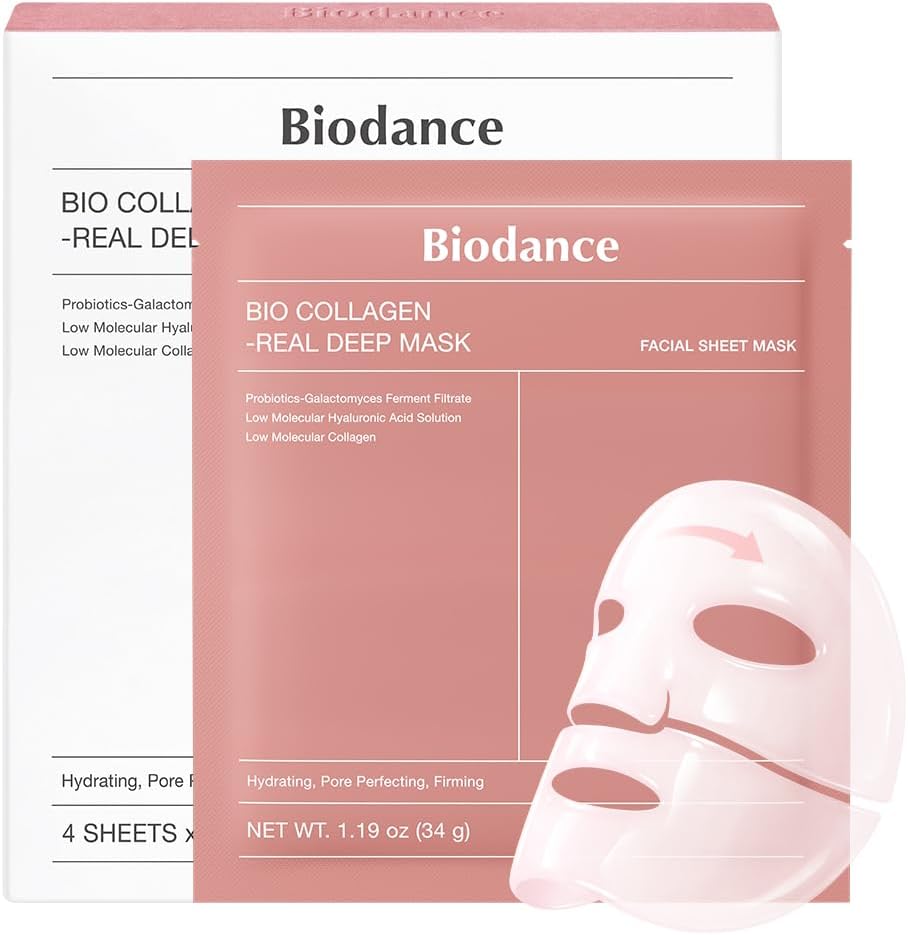
Biodance Bio-Collagen Real Deep Mask
Biodance
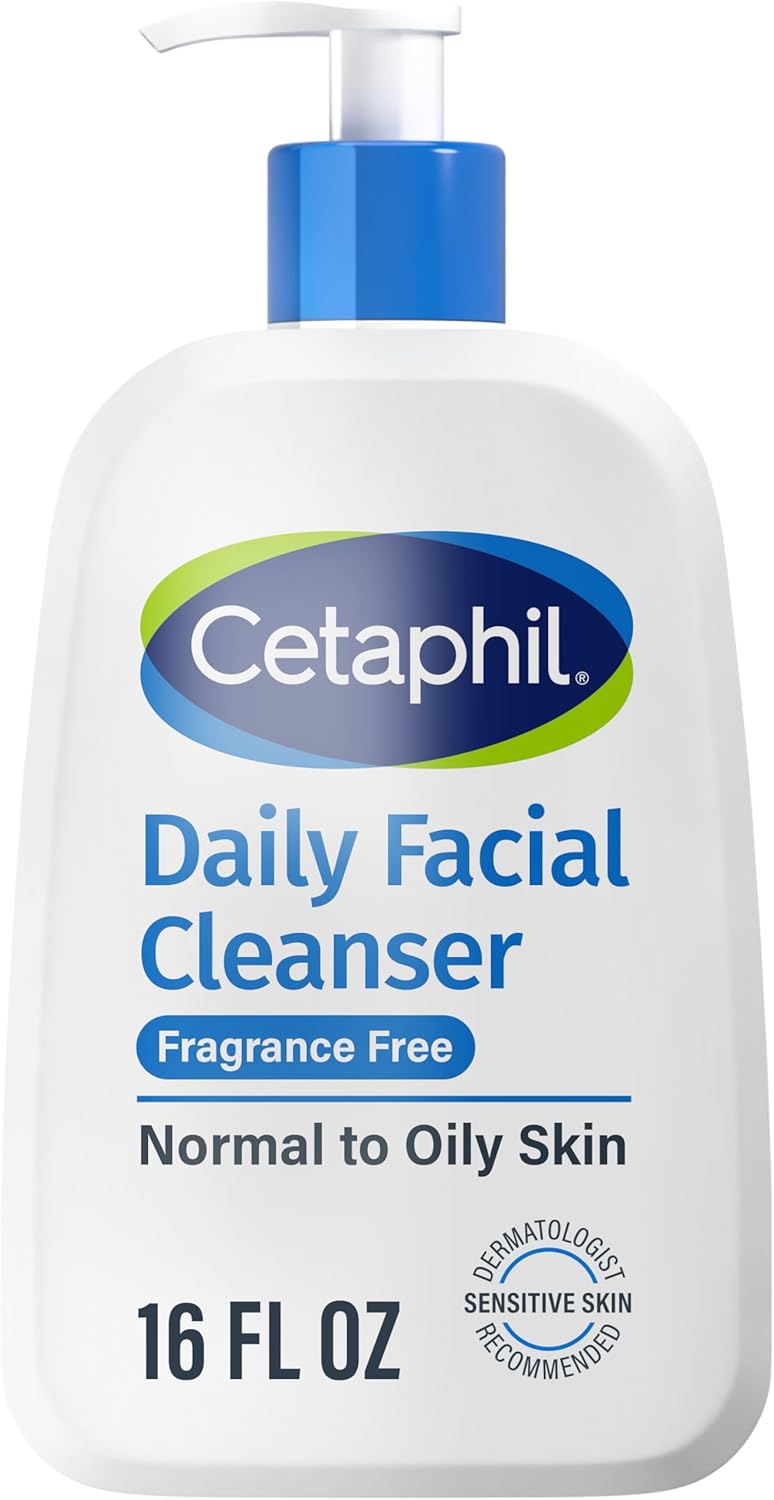
Cetaphil Gentle Skin Cleanser
Cetaphil
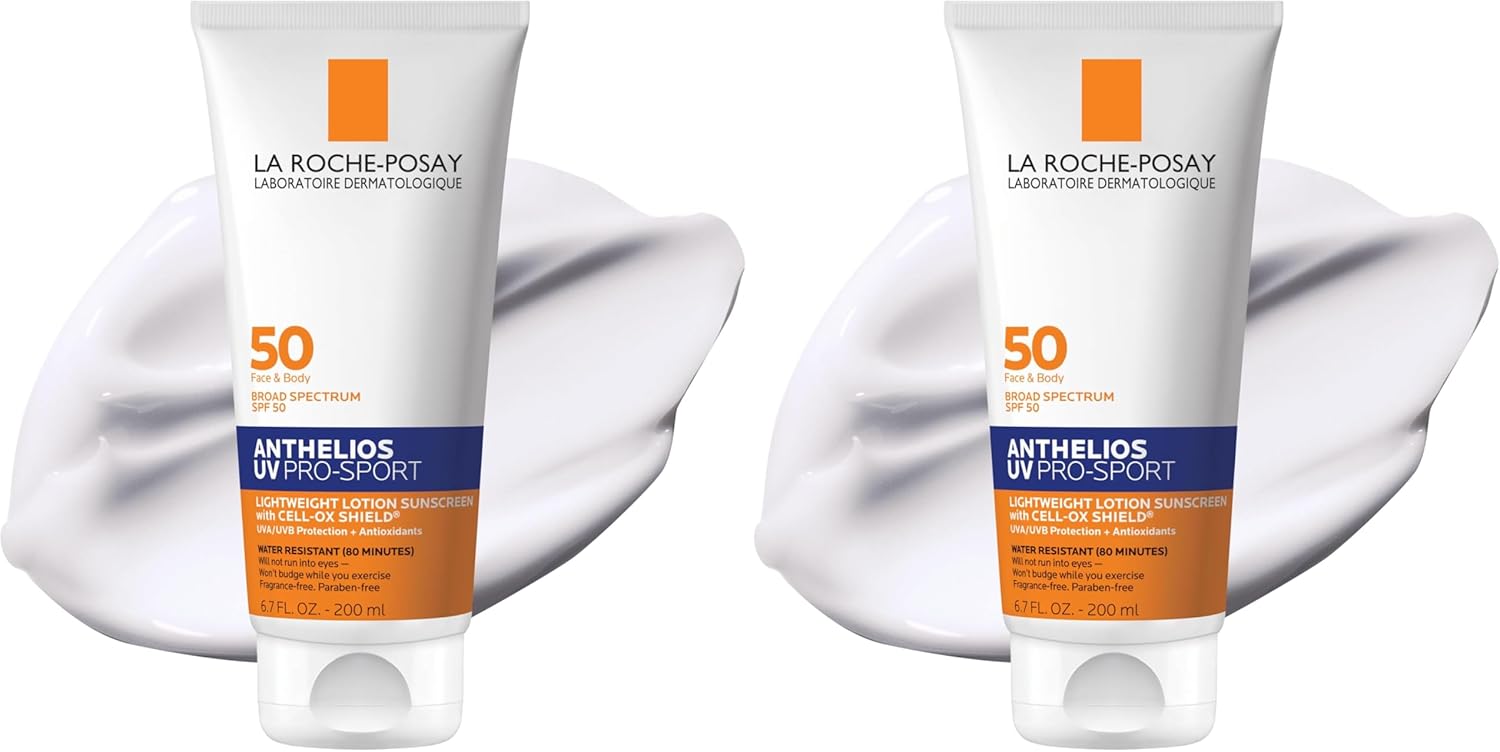
La Roche-Posay Anthelios Melt-in Milk SPF 60
La Roche-Posay
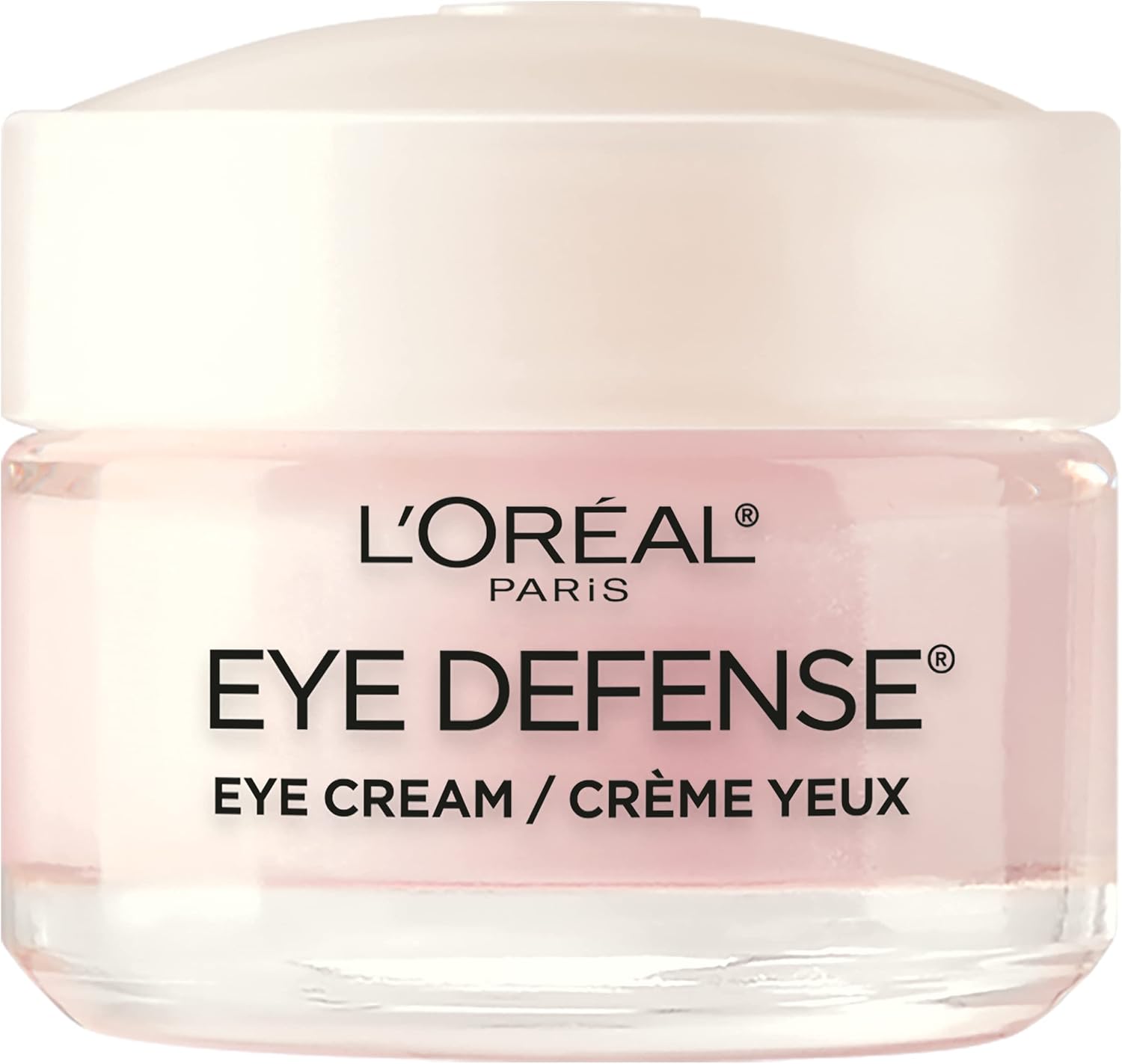
Lancome Absolue The Eye Cream
Lancome
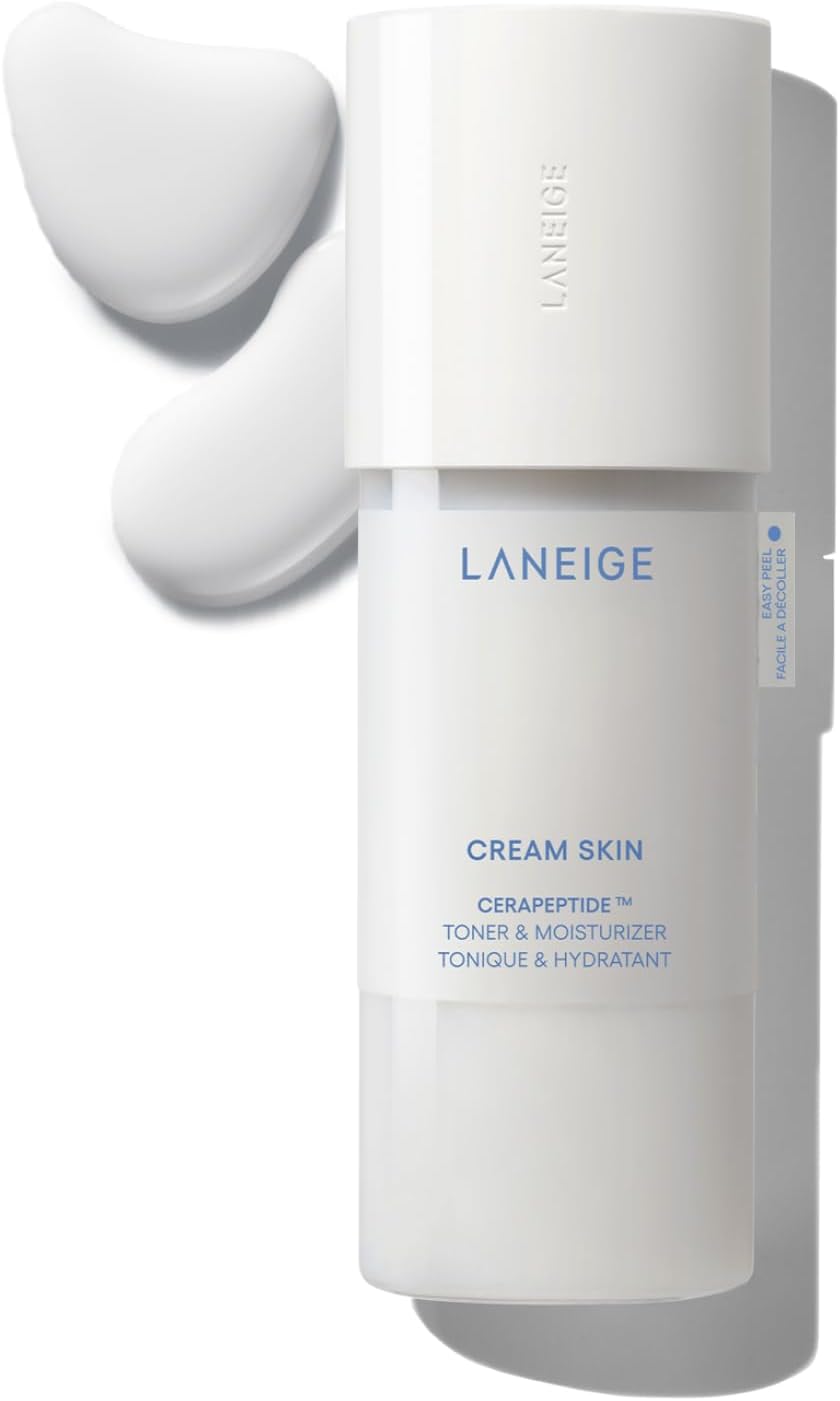
Laneige Cream Skin Toner & Moisturizer
Laneige
Medik8 Crystal Retinal 10
Medik8
Skincare that impacts mental well-being and stress response
What Neurocosmetics actually is.
Neurocosmetics as a strategic trend category addresses the newly recognized bidirectional relationship between psychological wellbeing and skin health. The clinical establishment of the "skin-brain axis" — documented pathways by which stress hormones directly alter skin physiology — has validated what many consumers intuitively experienced: stress makes skin worse, and the inverse is also measurable. Skincare formulated to reduce cortisol-mediated skin response, modulate the skin-gut-brain axis via probiotic actives, or incorporate sensory design elements that trigger parasympathetic nervous system activation represents a new product philosophy that integrates dermatology, psychodermatology, and sensory neuroscience.
"The hypothalamic-pituitary-adrenal axis drives the primary pathway: psychological stress → cortisol release → CRH receptor activation in sebaceous glands and mast cells → increased sebum production, mast cell degranulation, and barrier dysfunction."
Why it matters.
The hypothalamic-pituitary-adrenal axis drives the primary pathway: psychological stress → cortisol release → CRH receptor activation in sebaceous glands and mast cells → increased sebum production, mast cell degranulation, and barrier dysfunction. Substance P, a neuropeptide released by cutaneous nerve fibers during stress, promotes keratinocyte proliferation and inflammatory cytokine secretion. Topical GABA inhibitors can reduce substance P-mediated neurogenic inflammation. Probiotic lysates (Lactobacillus, Bifidobacterium) applied topically have been shown in small controlled trials to reduce inflammatory marker levels and improve barrier function scores by modulating the skin microbiome's immune signaling. Ectoin, a natural stress protectant from extremophilic bacteria, stabilizes membrane proteins and lipid bilayers against cortisol-induced disruption.
Categories reshaped by this movement.
How to apply it.
Layer neurocosmetic actives into a calming ritual context. Evening routine applications are highest value: the transition from day stress to nighttime recovery is when cortisol is naturally declining and the skin is entering repair mode. Choose products containing ectoin, beta-glucan, probiotic lysates, or adaptogenic botanicals (ashwagandha, bakuchiol, ginseng). Combine with mindful application — slow, deliberate massage of face cream activates the parasympathetic response independently of any ingredient. Avoid combining neurocosmetics with aggressive actives on the same application step.
Frequently asked.


Further reading.
- 01Experimental Dermatology — CRH Receptors and Sebaceous Gland Activation (2023)
- 02Journal of Investigative Dermatology — Probiotic Lysates and Skin Inflammation (2024)
- 03Cosmetics — Ectoin Neurocosmetic Mechanism Review (2023)
- 04Psychosomatic Medicine — Mindful Touch and Cortisol Reduction (2022)
Explore the full dispatch.
Browse every trend shaping skincare in 2025–2026 — viral rituals and structural shifts alike.