
K-Beauty Evolution
Products aligned with the movement.
Editorially selected from our ranked archive — each chosen for alignment with the k-beauty evolution philosophy.
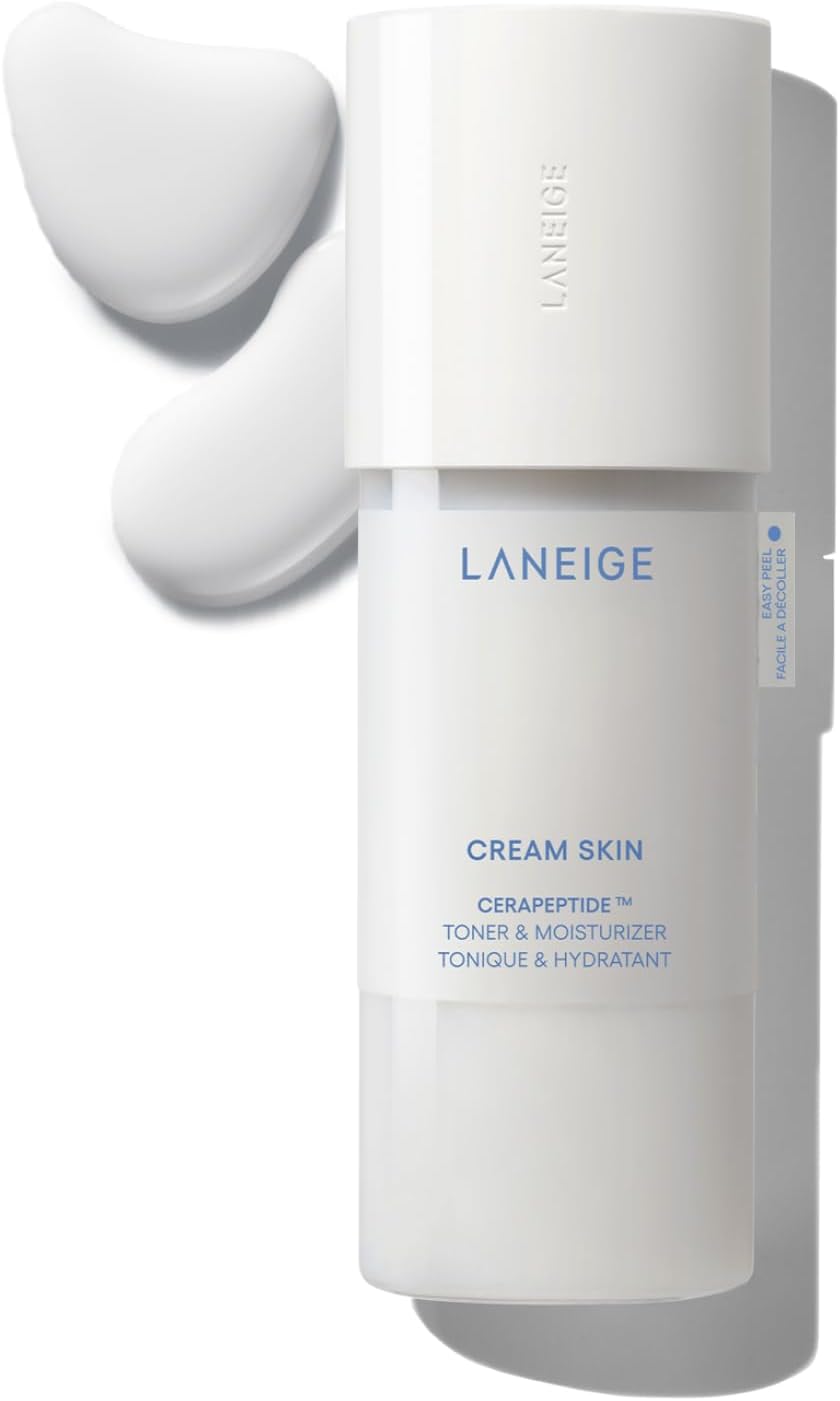
Laneige Cream Skin Toner & Moisturizer
Laneige
"K-Beauty essence toner that pioneered the layered hydration approach globally."
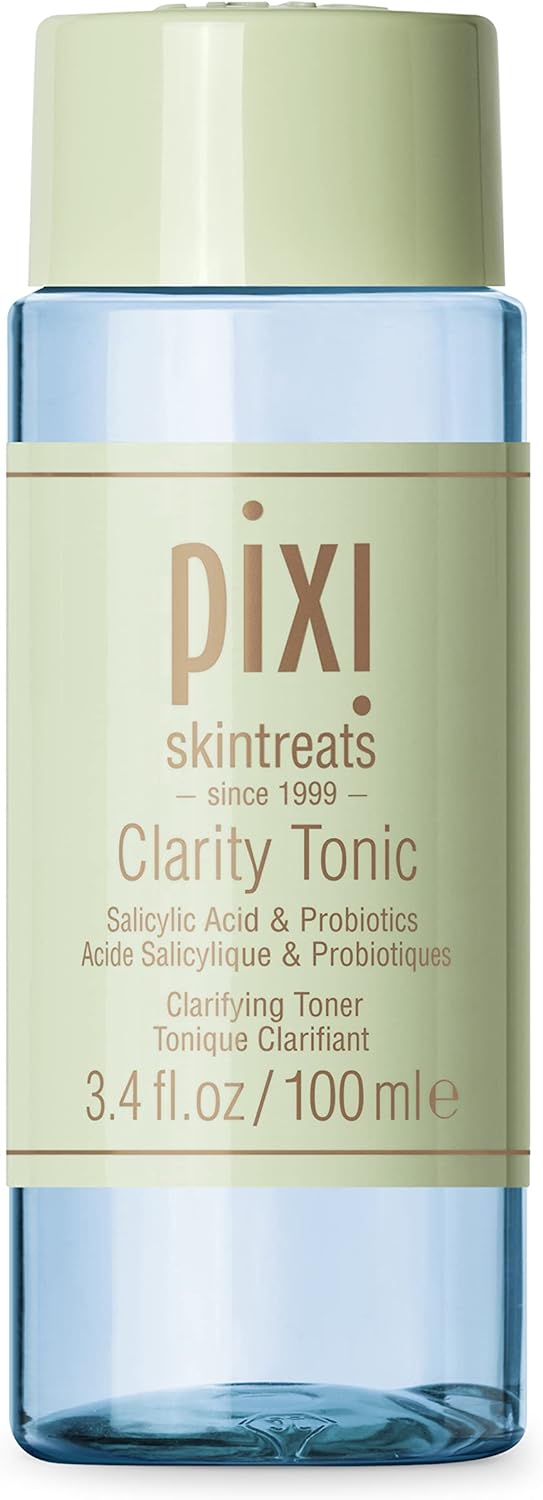
Pixi Glow Tonic Exfoliating Toner
Pixi
"Fermented rice essence — the archetype of K-Beauty biotechnology applied to skincare."
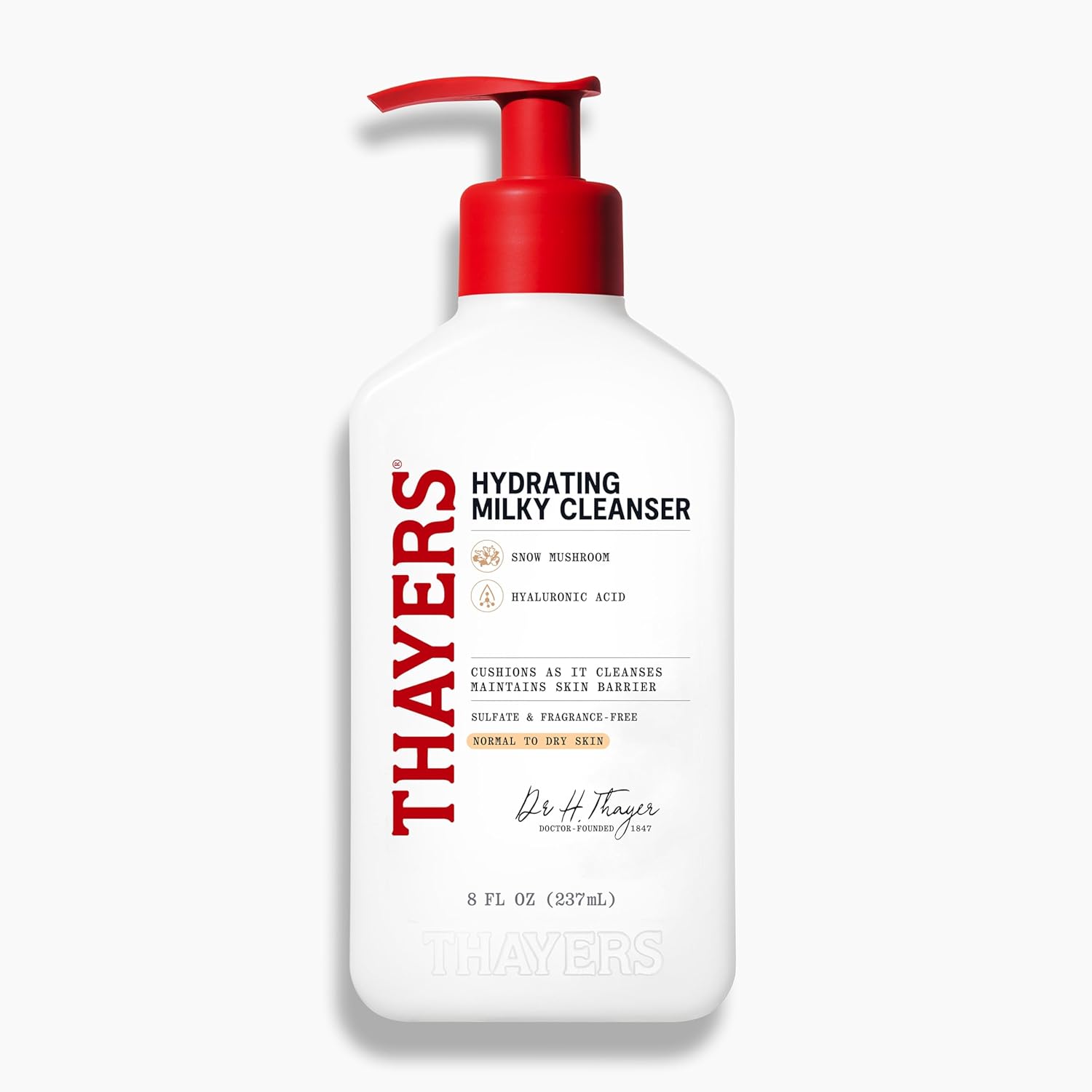
Thayers Witch Hazel Alcohol-Free Toner
Thayers
"Centella asiatica toner — the defining K-Beauty calming formula for sensitive and reactive skin."
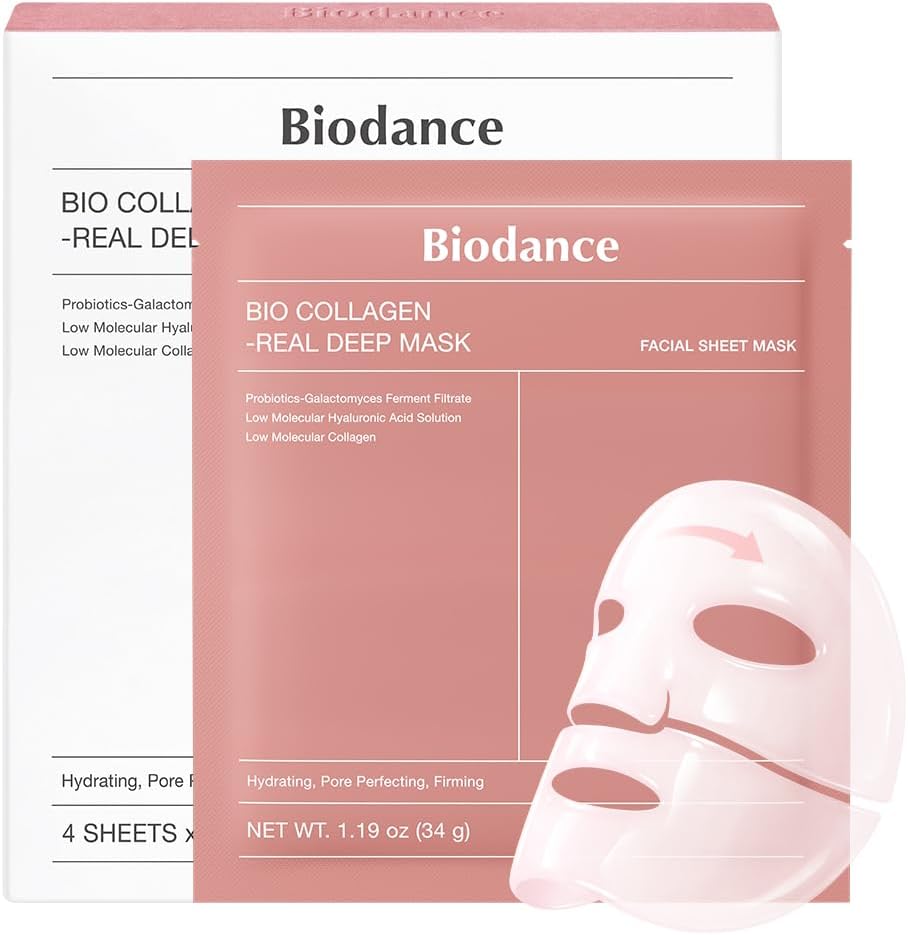
Biodance Bio-Collagen Real Deep Mask
Biodance
"K-Beauty sheet mask with PDRN and centella — the frontier of Korean bio-ingredient formulation."
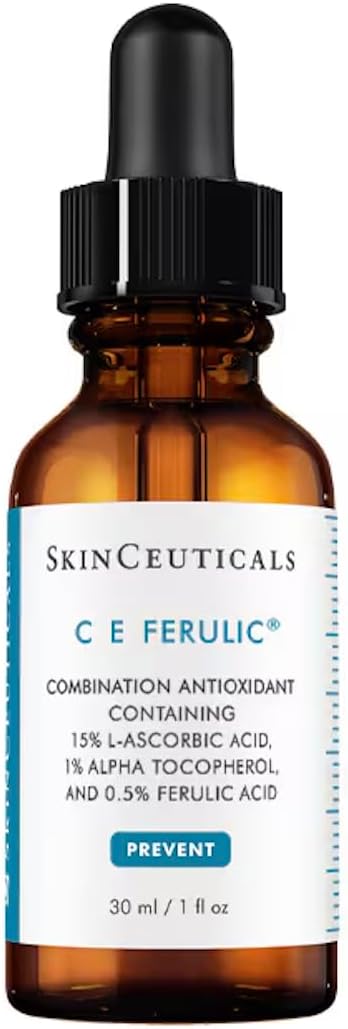
SkinCeuticals C E Ferulic
SkinCeuticals
"K-Beauty inspired multi-layer serum combining fermentation, barrier actives, and glass skin aesthetics."
Glass skin to bloom skin; PDRN, Korean fermentation science
What K-Beauty Evolution actually is.
K-Beauty's influence on global skincare has passed through multiple evolutionary phases. The first wave (2012–2016) introduced Western consumers to BB creams, multi-step routines, and the concept of skincare as a daily ritual rather than reactive maintenance. The second wave (2017–2021) delivered ingredients like snail mucin, centella asiatica, and fermented extracts into mainstream adoption. The 2025–2026 K-Beauty evolution is the most scientifically sophisticated yet: biotechnology-derived actives (PDRN, exosomes, EGF from fermentation), glass skin to bloom skin aesthetic evolution, and the global dominance of K-Beauty aesthetics in beauty social media. Korean brands now lead innovation in several categories — particularly fermentation-derived actives, cushion foundation technology, and the design of multi-step hydration routines — while global brands increasingly adopt K-Beauty formulation philosophies.
"K-Beauty's scientific edge comes from two national advantages: South Korea's advanced biotechnology industry (leading global fermentation and cell-culture technology) and a regulatory environment that allows cosmeceutical-grade concentrations that European and American cosmetics regulations restrict."
Why it matters.
K-Beauty's scientific edge comes from two national advantages: South Korea's advanced biotechnology industry (leading global fermentation and cell-culture technology) and a regulatory environment that allows cosmeceutical-grade concentrations that European and American cosmetics regulations restrict. Fermentation transforms conventional ingredients: fermented rice extract delivers smaller molecular weight compounds with enhanced skin penetration; Lactobacillus ferment lysates contain signaling molecules that modulate the skin immune response. PDRN (polydeoxyribonucleotide), developed initially in Korean wound-healing medicine, represents the frontier of biotechnology-derived skincare actives. The Korean beauty aesthetic ideal has also shifted: from "glass skin" (maximum transparency and hydration) to "bloom skin" (a healthy luminance from within, combining strong barrier function, natural color, and textural evenness) — a standard achievable through consistent skincare rather than makeup.
Categories reshaped by this movement.
How to apply it.
Build your K-Beauty-influenced routine around the core innovation: thorough cleansing (oil cleanser + water cleanser double-cleanse), multiple thin hydration layers (essence, serum, ampoule — each product lightweight and penetrating), and a finishing cream or sleeping mask to seal. The philosophy is quantity of hydration through layered thin applications rather than a single thick moisturizer. For 2026 K-Beauty specifically, explore: PDRN serums for regeneration, centella asiatica creams for barrier calming, and cushion foundations that combine skincare actives with sheer coverage.
Frequently asked.

Further reading.
- 01KOTRA — Korean Cosmetics Global Market Report 2025
- 02Journal of Cosmetic Dermatology — Fermented Ingredients in Skincare (2024)
- 03Mintel — K-Beauty Influence on Global Formulation Trends (2025)
- 04Vogue Korea — Bloom Skin Aesthetic Emergence (2025)
Explore the full dispatch.
Browse every trend shaping skincare in 2025–2026 — viral rituals and structural shifts alike.