
AI Personalization
Products aligned with the movement.
Editorially selected from our ranked archive — each chosen for alignment with the ai personalization philosophy.
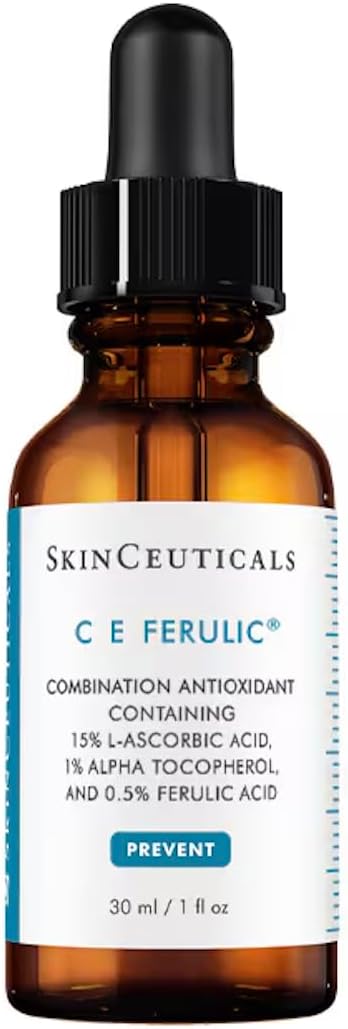
SkinCeuticals C E Ferulic
SkinCeuticals
"Most AI-recommended brightening serum across major personalization platforms in 2025."
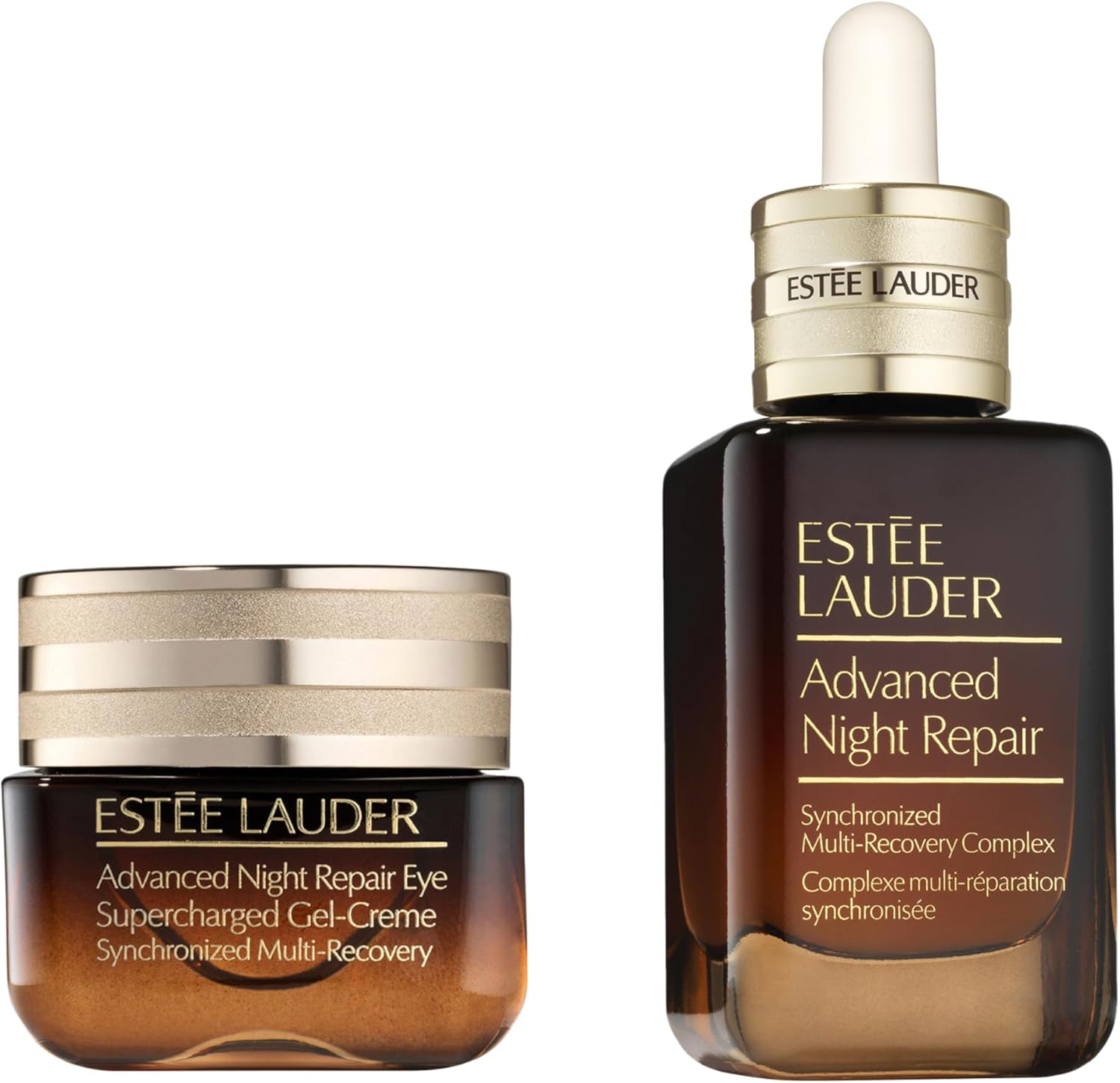
Estee Lauder Advanced Night Repair
Estee Lauder
"Multi-target serum frequently prescribed by AI consultation tools for mixed oily/dry concerns."
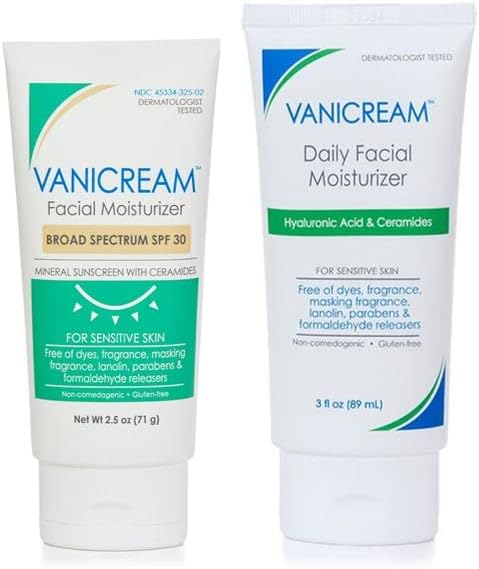
Vanicream Daily Facial Moisturizer
Vanicream
"Ceramide barrier moisturizer — top-ranked AI recommendation for compromised barrier profiles."
SkinCeuticals C E Ferulic
SkinCeuticals
"Vitamin C serum consistently top-recommended as AM protective active across AI platforms."
AI-powered skin analysis and custom product matching
What AI Personalization actually is.
AI personalization is moving from a marketing differentiator to an operational standard in skincare. The ability to analyze a consumer's selfie, questionnaire, purchase history, and environmental context to generate a personalized product recommendation or custom formulation has shifted from experimental to commercially mainstream. More significantly, AI is now entering the formulation process itself: generative AI systems are being used to design novel molecular combinations, predict stability, and simulate efficacy for custom product development at scale. The brands leading this transition (Function of Beauty, Curology, Proven Skincare, PROVEN) are demonstrating measurably better consumer outcomes than universal-formula competitors — Curology's clinical data shows 80% reduction in inflammatory acne lesions at 12 weeks, significantly outperforming the OTC BHA benchmark.
"AI personalization works because skin is highly heterogeneous."
Why it matters.
AI personalization works because skin is highly heterogeneous. Even within a defined Fitzpatrick skin type or skin concern category, individuals differ on: sebum production rate, natural ceramide levels, melanin distribution patterns, microbiome composition, hormonal influences, environmental UV/pollution load, and dietary factors. Traditional product development uses average formulations optimized for the mean of a target demographic — which means they perform poorly for the significant percentages of users above or below the mean. Machine learning models trained on large dermatological outcome datasets (clinical trial data, dermatologist ratings, consumer self-report) can identify the non-obvious predictor combinations that determine whether a specific active will work for a specific skin profile. Convolutions neural network image analysis has now achieved dermatologist-level accuracy for common condition detection on standard smartphone cameras.
Categories reshaped by this movement.
How to apply it.
For accessible AI personalization, start with a free app-based analysis (Skin, YouCam Makeup AI, or the AI tools embedded in major beauty retailers). For stronger results, consider Curology (prescription-grade custom formula, requires telemedicine consultation) or PROVEN Skincare (OTC, uses a 47-question skin questionnaire + a machine learning model trained on dermatological literature). For device-based personalization, the L'Oreal Perso and Neutrogena Skin360 offer ongoing skin tracking that improves recommendation quality over time. Treat AI recommendations as a starting point — combine with your own observation of what has and hasn't worked.
Frequently asked.


Further reading.
- 01Curology Clinical Study — AI-Personalized Formula vs Standard OTC Treatment (2024)
- 02Journal of the American Academy of Dermatology — AI Skin Analysis Accuracy (2024)
- 03McKinsey Consumer Insights — Beauty Personalization Report (2025)
- 04Nature Digital Medicine — CNN Image Analysis for Dermatological Conditions (2023)
Explore the full dispatch.
Browse every trend shaping skincare in 2025–2026 — viral rituals and structural shifts alike.