
The best vitamin c serums & products.
Vitamin C is the most extensively researched antioxidant in dermatology, with over 65,000 published studies supporting its efficacy in skincare. As a potent scavenger of free radicals generated by UV exposure, pollution, and metabolic processes, topical vitamin C plays a critical role in preventing and reversing oxidative damage to skin cells. Its primary dermatological benefits include brightening uneven skin tone, fading hyperpigmentation and dark spots (through inhibition of melanin synthesis), stimulating collagen production to reduce fine lines and wrinkles, and enhancing the skin's natural photoprotection when layered under sunscreen. The most effective form for topical application is L-ascorbic acid at concentrations between 10-20%, as it is the form most readily utilized by skin cells. However, L-ascorbic acid is inherently unstable ΓÇö it oxidizes rapidly when exposed to light, air, and water, turning from clear to amber/brown and losing potency. This formulation challenge has led to the development of derivative forms like sodium ascorbyl phosphate (SAP), tetrahexyldecyl ascorbate (THDA), and ascorbyl glucoside, which offer greater stability at the cost of slower conversion to active vitamin C within the skin. The global vitamin C serum market alone was valued at approximately $3.2 billion in 2025, making it one of the fastest-growing skincare segments. When selecting a vitamin C product, consumers should look for packaging that minimizes air exposure (airless pumps, opaque or amber glass), formulations that include complementary antioxidants like vitamin E and ferulic acid (which stabilize vitamin C and enhance its photoprotective effects by up to 400%), and a pH below 3.5 for optimal absorption.
Rankings combine ingredient scoring, verified review data, and editorial review — see the full method.
Skip to ranked products ↓The vitamin C category in 2025-2026 is defined by the tension between potency and stability ΓÇö and innovative brands are finding creative solutions. Powder-to-serum vitamin C products, where L-ascorbic acid is kept in its most stable dry form and mixed with a liquid activator immediately before use, have gained significant traction. SkinCeuticals C E Ferulic remains the clinical gold standard and market leader despite its $182 price point, consistently ranking as the number one recommended vitamin C serum by dermatologists. However, the affordable segment has exploded, with TruSkin, Mad Hippie, and Naturium offering credible alternatives under $30 that use stable derivative forms. The K-beauty influence has introduced unique formats like the Melano CC Essence, a lightweight vitamin C derivative serum that goes viral on social media every quarter. A notable trend is the rise of 'vitamin C complexes' that combine multiple forms ΓÇö for example, a product might contain THDA for stable, deep delivery alongside SAP for surface brightening. The 'brightening' category as a whole has expanded to include adjacent ingredients like tranexamic acid, niacinamide, licorice root extract, and alpha-arbutin, which are increasingly formulated alongside vitamin C for synergistic brightening effects. Another significant development is the growth of vitamin C-infused products beyond serums ΓÇö moisturizers, cleansers, sheet masks, and even sunscreens now incorporate vitamin C derivatives, creating a 'full routine brightening' approach that appeals to consumers seeking comprehensive results. Color-changing packaging that alerts users when their vitamin C has oxidized is an emerging innovation expected to become standard within the next two years.
№ 01 — the one to know.
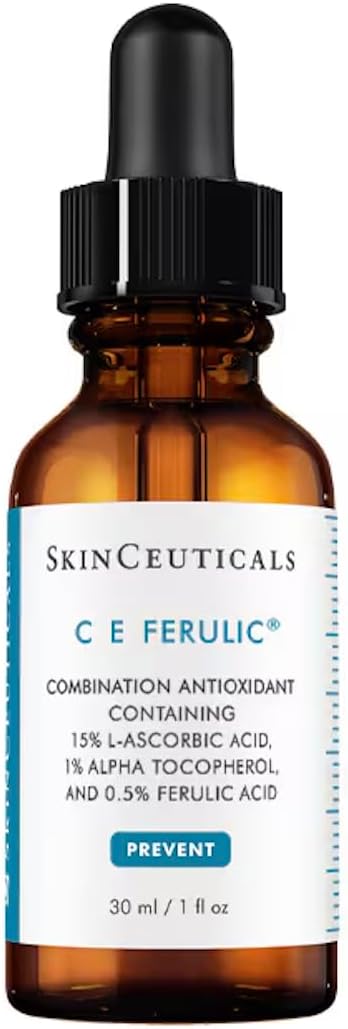
SkinCeuticals C E Ferulic
№ 02 through № 10.
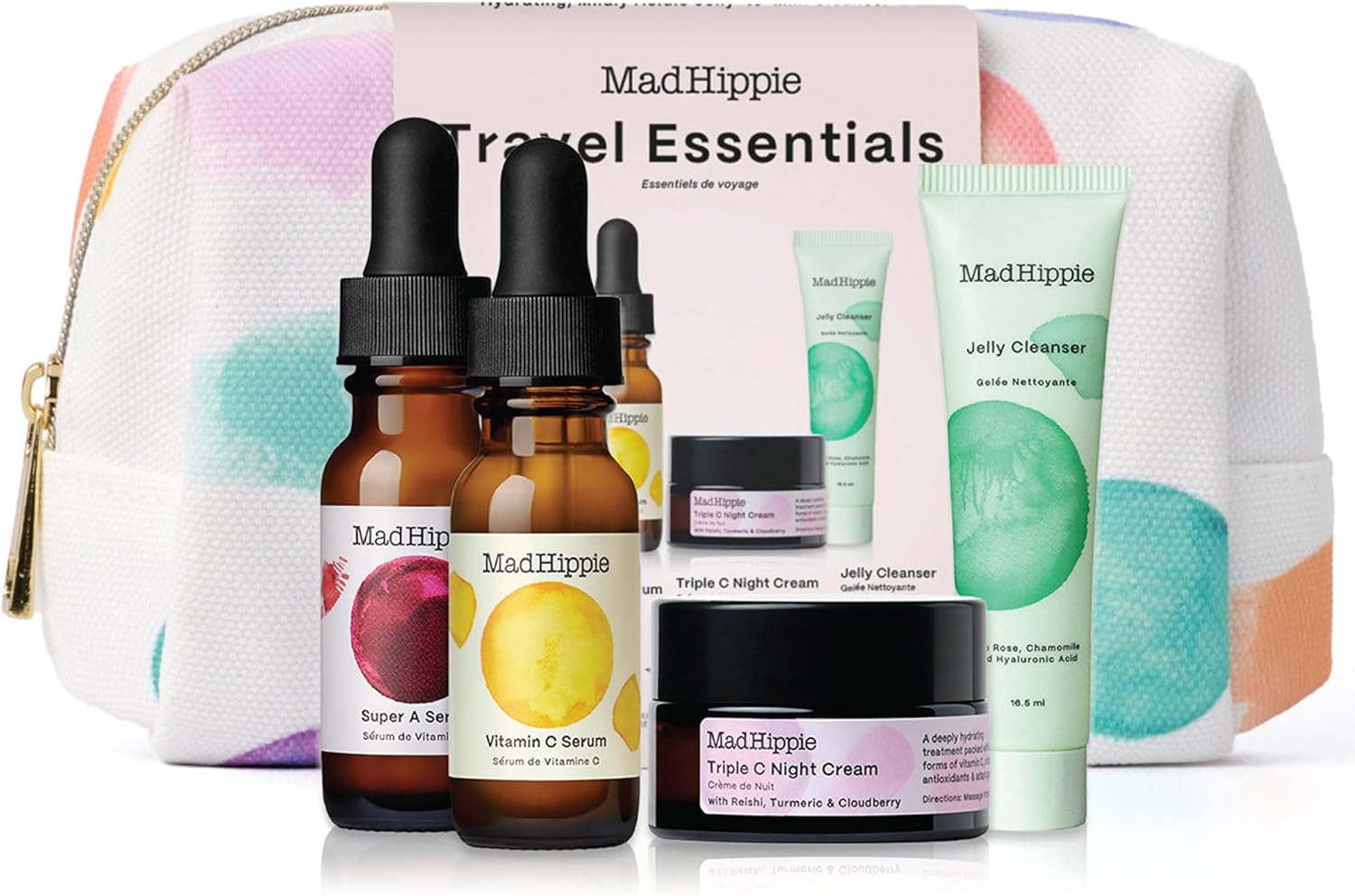
Mad Hippie Vitamin C Serum
Mad Hippie
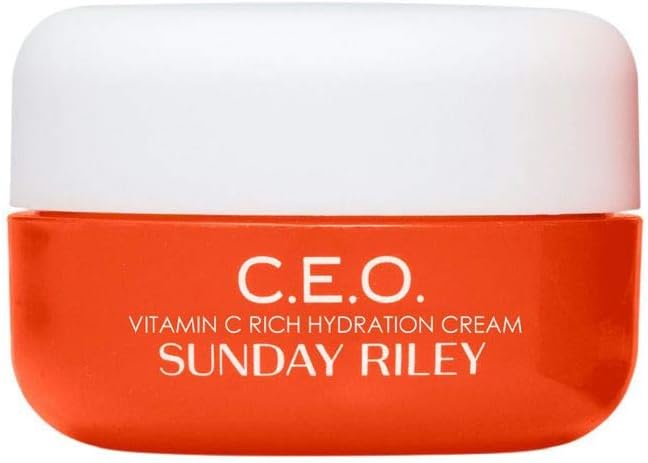
Sunday Riley CEO Vitamin C Rich Hydration Cream
Sunday Riley
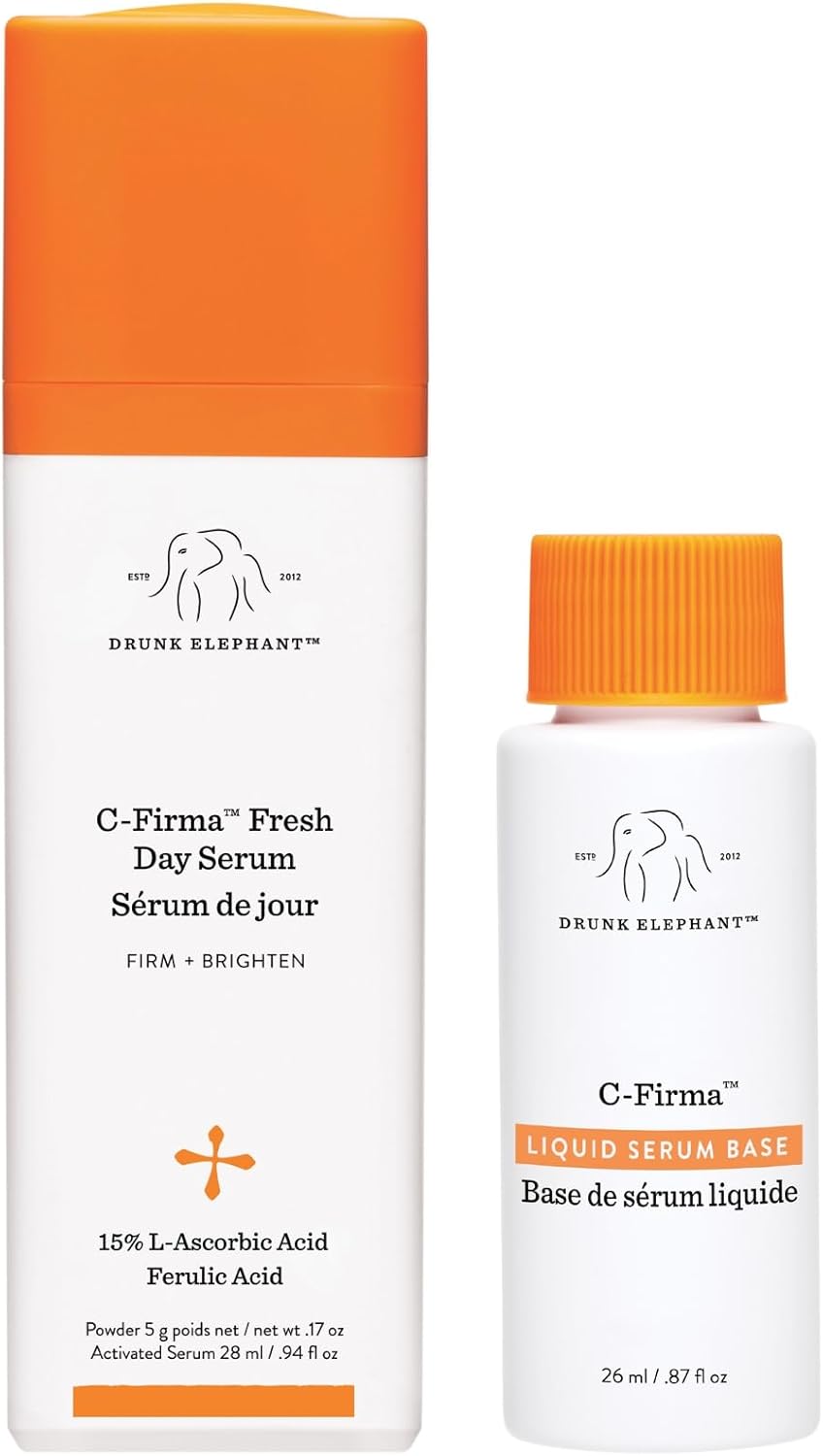
Drunk Elephant C-Firma Fresh Day Serum
Drunk Elephant
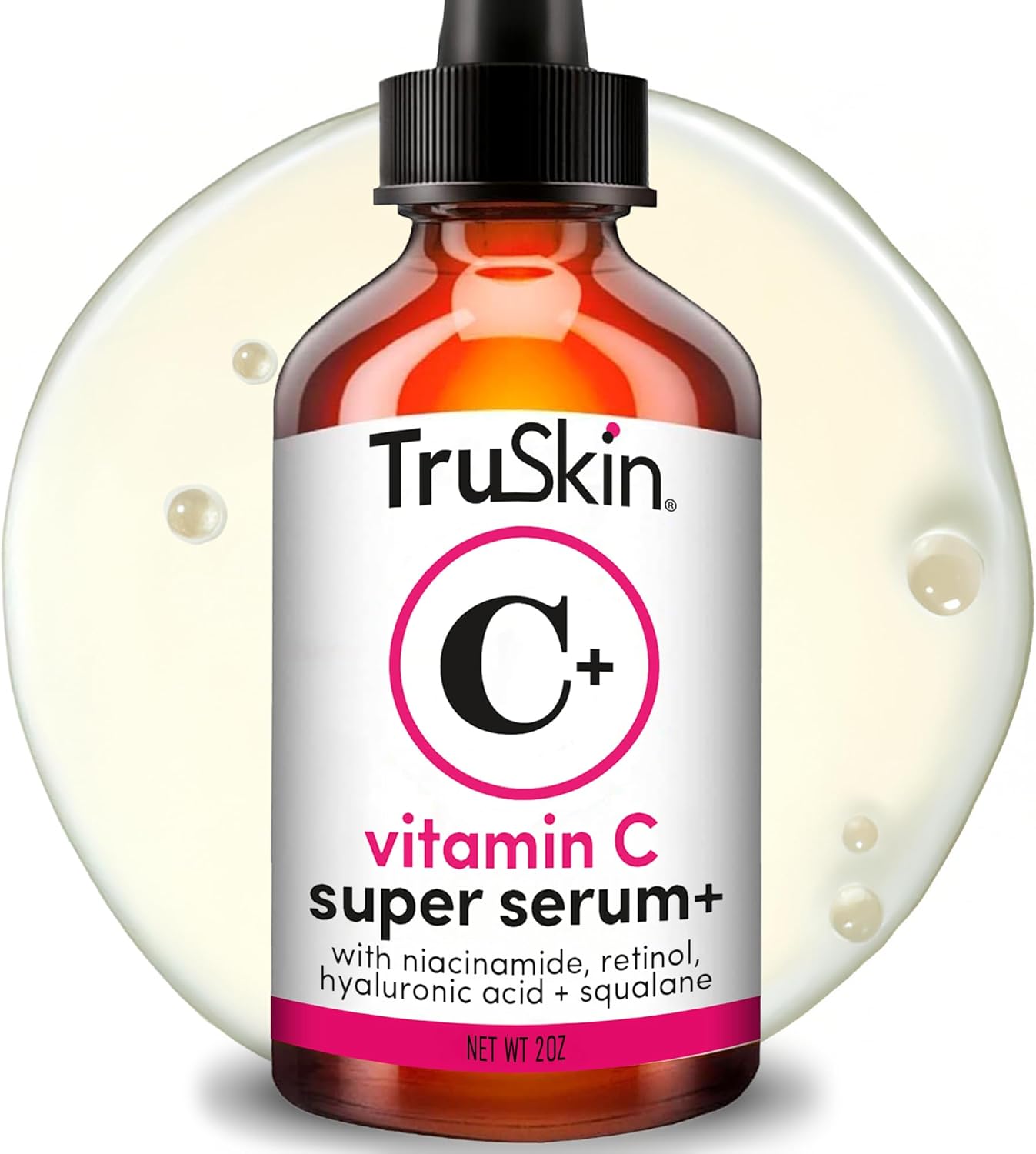
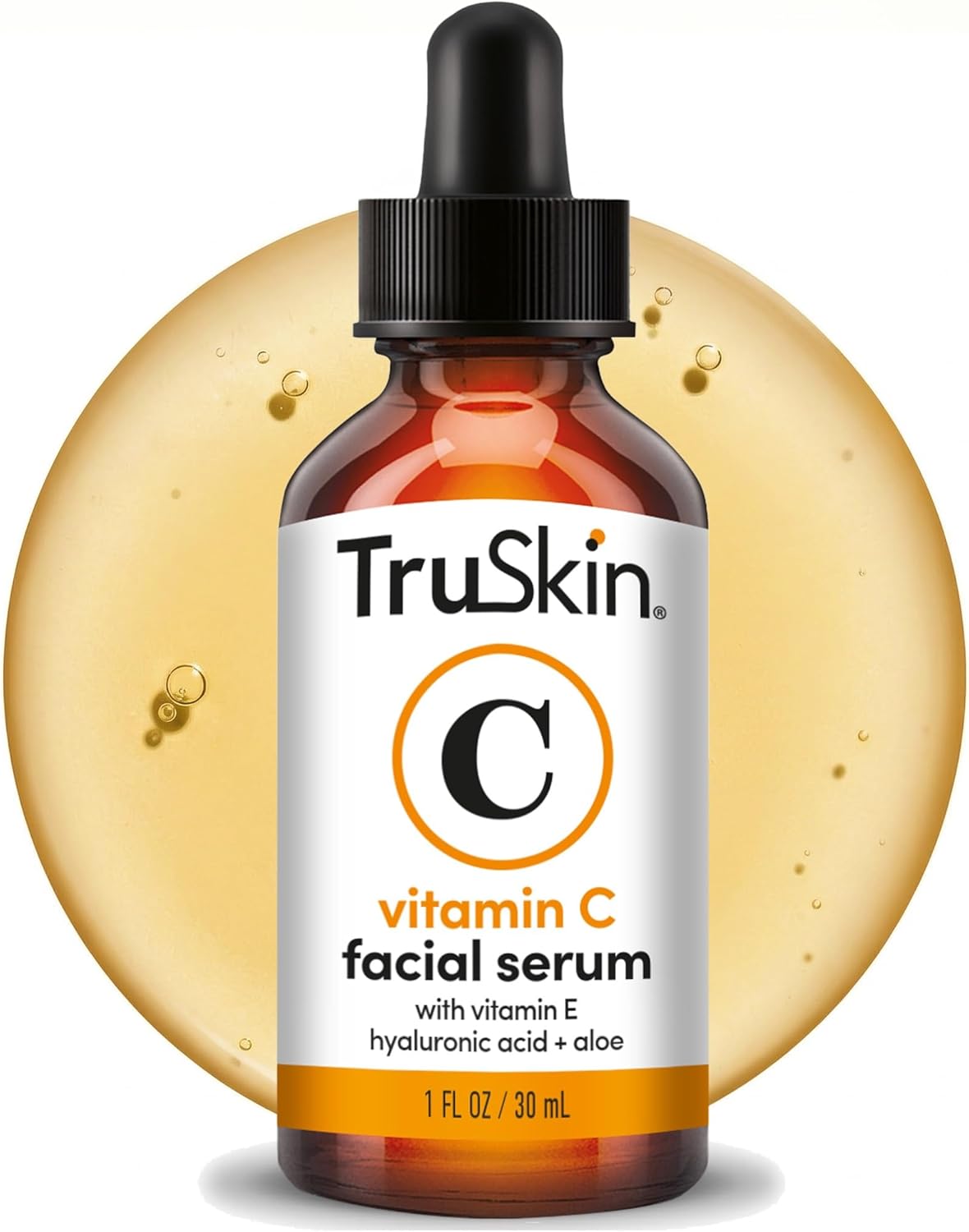
TruSkin Vitamin C Serum for Face
TruSkin
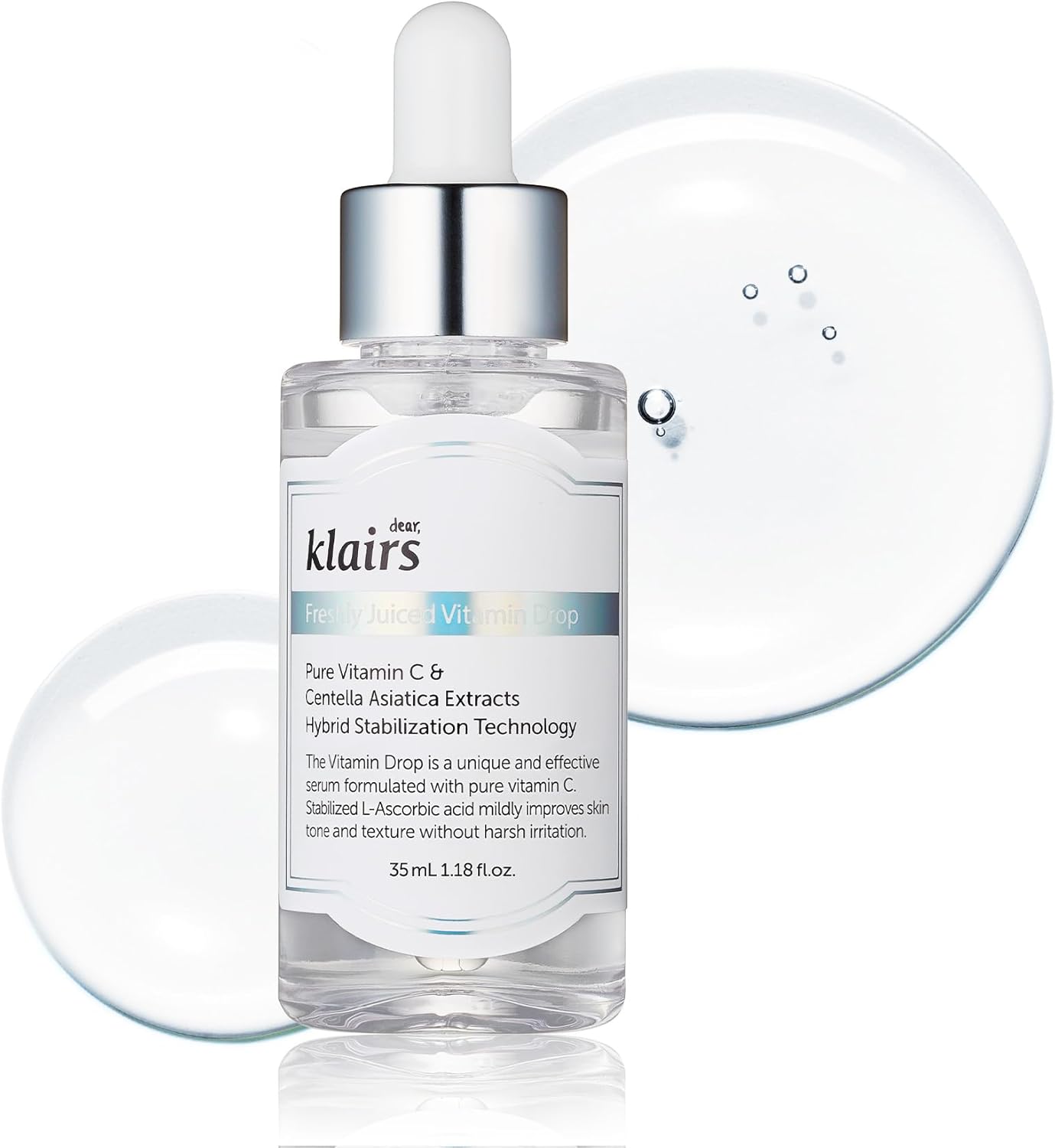
Klairs Freshly Juiced Vitamin C Drop
Klairs
Melano CC Vitamin C Essence
Rohto Melano CC
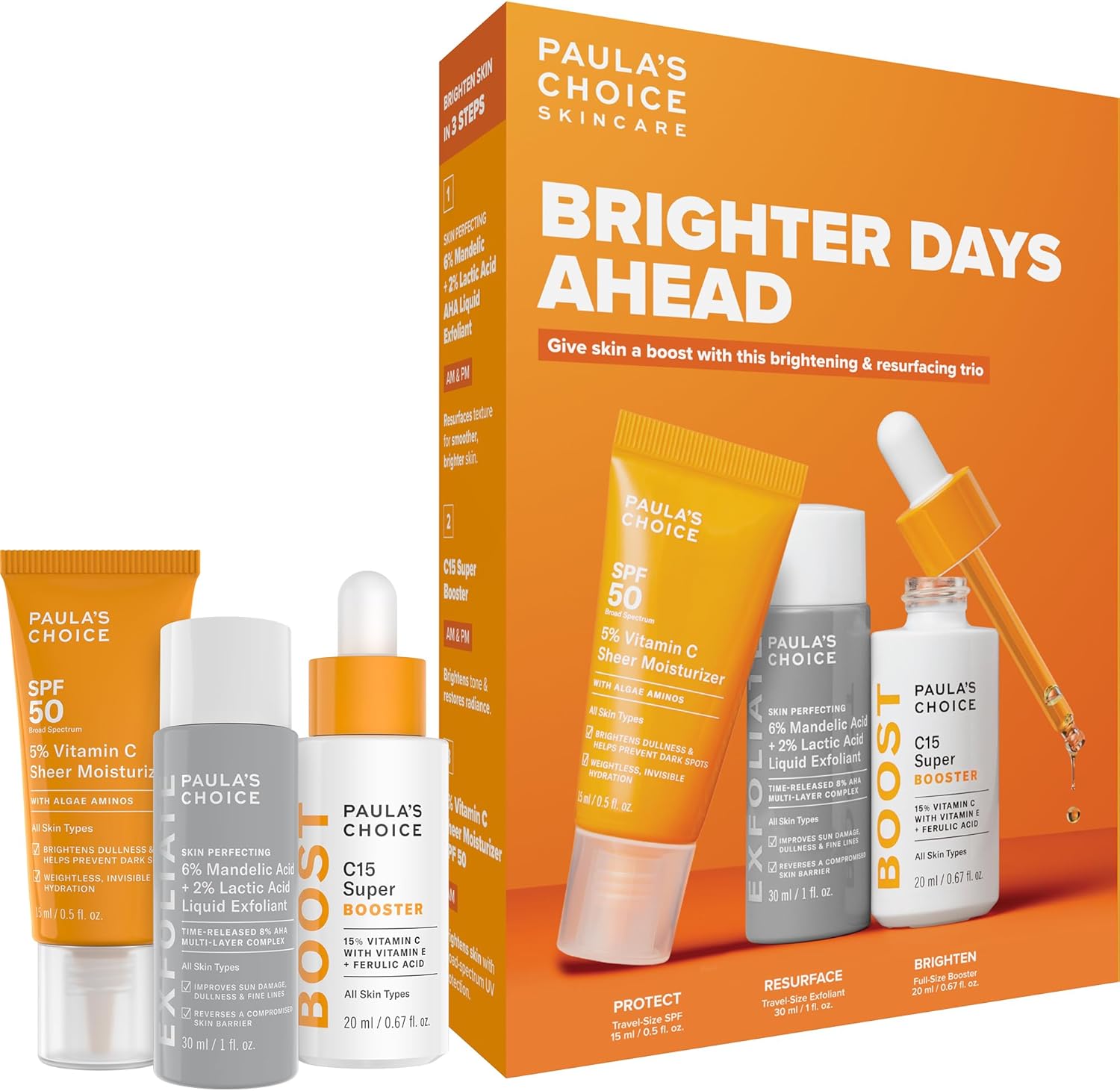
Paula's Choice C15 Super Booster
Paula's Choice
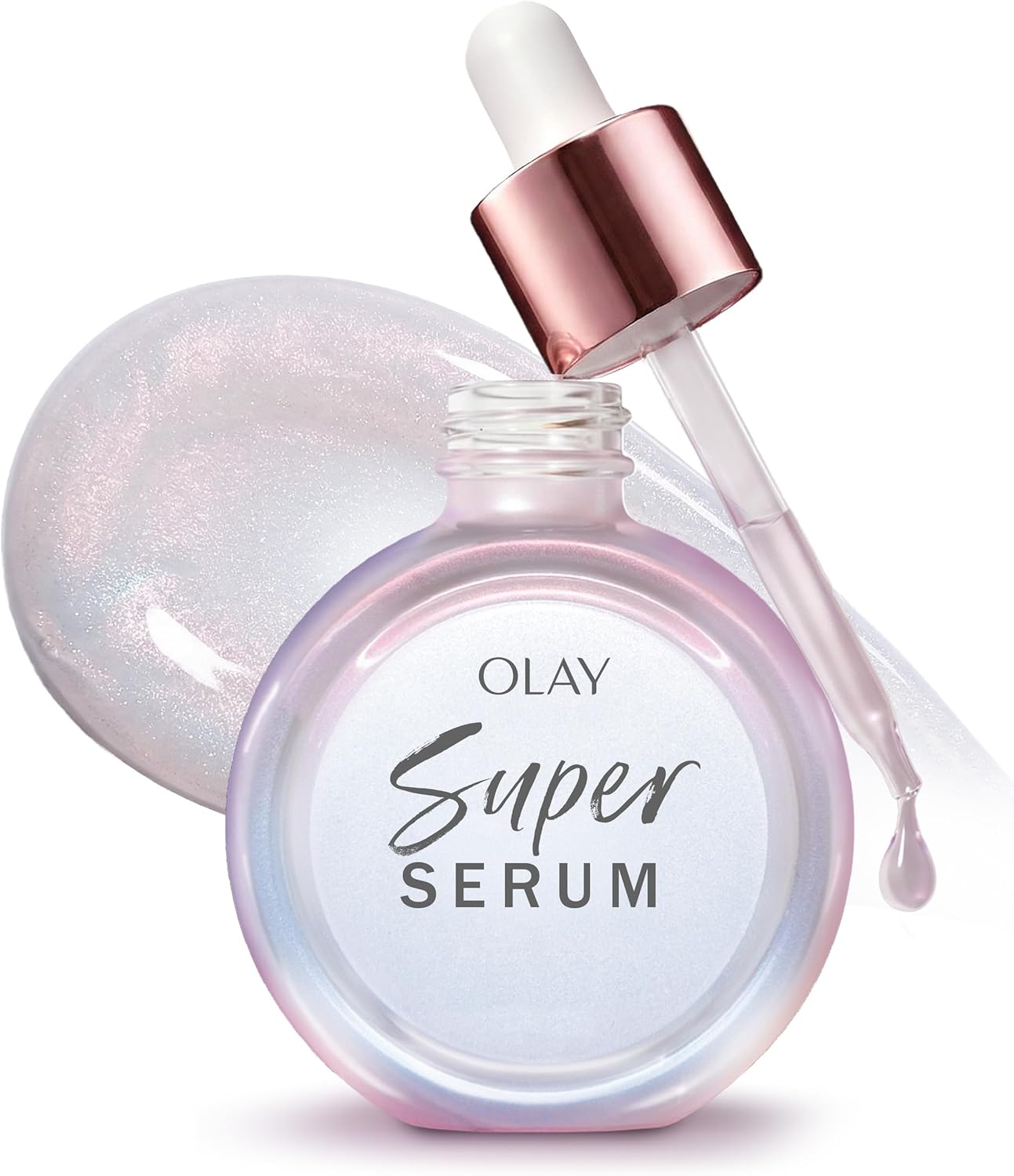
Olay Luminous Vitamin C + AHA Serum
Olay
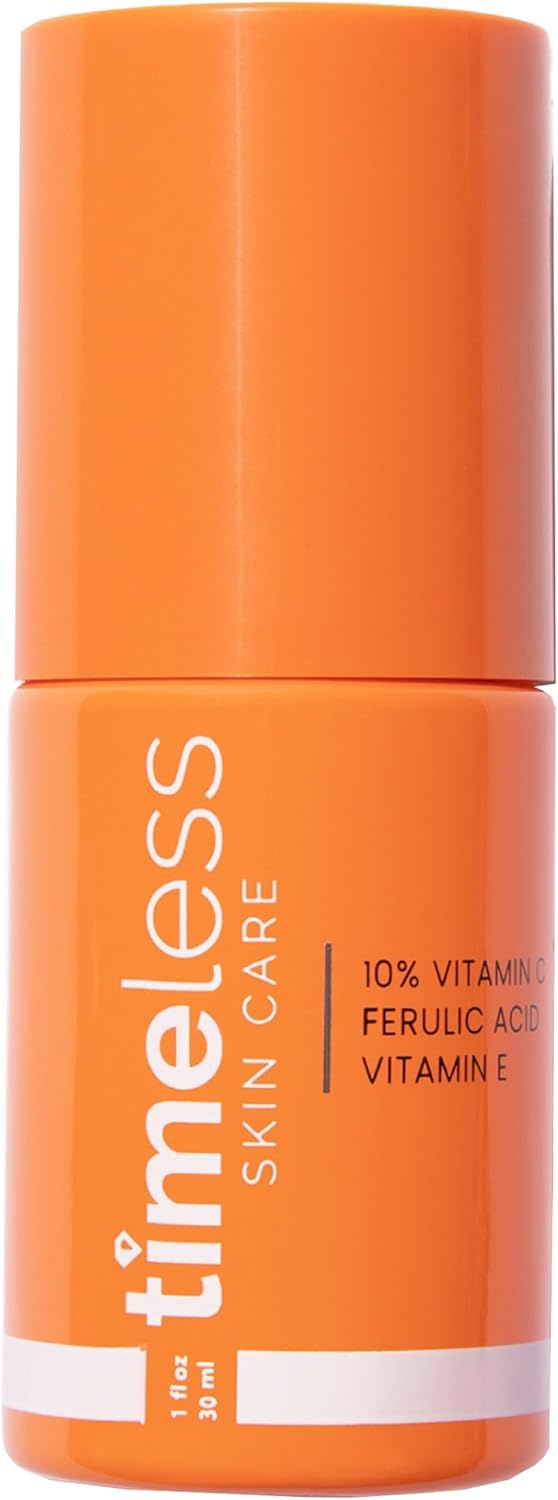
Timeless 20% Vitamin C + E Ferulic Acid Serum
Timeless
Best for different goals.
Brightening and dark spots
Vitamin C is one of the best-supported options for uneven tone and antioxidant support.
Sensitive skin
Lower-strength or derivative formulas can still brighten without the sting of stronger acid forms.
Morning routines
Vitamin C pairs especially well with sunscreen when your goal is prevention plus correction.
Category FAQ.
What strength of vitamin C should I start with?
A moderate-strength formula or a derivative is often easier to tolerate than jumping straight to a strong L-ascorbic acid serum.
Can I use vitamin C with niacinamide?
Yes. Modern formulas and routines commonly pair them successfully.
How do I know a vitamin C product has oxidized?
Darkening, a stronger metallic smell, or reduced performance can signal that the formula is past its prime.
Notes before you purchase.
- 01
Choose the vitamin C form based on tolerance and stability, not just marketing language.
- 02
Potent L-ascorbic acid works best when fresh and well packaged.
- 03
If your skin is reactive, a derivative formula may be more usable long term than a stronger serum you cannot tolerate.