
The best sunscreen & spf.
Sunscreen is universally recognized by dermatologists as the single most important skincare product for preventing premature skin aging, hyperpigmentation, and skin cancer. Despite decades of public health messaging, compliance remains a challenge ΓÇö studies indicate that only about 11% of American adults use sunscreen daily on their face. Sunscreens work through two primary mechanisms: chemical (organic) filters, which absorb UV radiation and convert it to heat (ingredients like avobenzone, octocrylene, and homosalate), and mineral (inorganic) filters, which physically block and scatter UV rays (zinc oxide and titanium dioxide). Each approach has distinct advantages: chemical sunscreens tend to be lighter in texture and easier to blend, while mineral sunscreens are generally better tolerated by sensitive skin and offer immediate protection upon application. SPF (Sun Protection Factor) measures protection against UVB rays, which cause sunburn, while the 'broad spectrum' designation indicates protection against UVA rays, which penetrate deeper and cause photoaging. The global sunscreen market was valued at approximately $13.8 billion in 2025 and is projected to reach $22.5 billion by 2032, driven by increasing awareness of the link between UV exposure and both cosmetic and medical skin concerns. Dermatologists recommend a minimum of SPF 30 for daily use and approximately one-quarter teaspoon for face application ΓÇö far more than most people actually use.
Rankings combine ingredient scoring, verified review data, and editorial review — see the full method.
Skip to ranked products ↓The sunscreen category in 2025-2026 is undergoing its most significant transformation in decades. The European Commission's revised regulations on UV filters have prompted reformulations across the industry, while the ongoing Hawaii Reef Act and similar legislation in Palau, the US Virgin Islands, and Key West have driven rapid innovation in reef-safe UV filters. Next-generation mineral sunscreens are addressing the historic white cast problem through technologies like coated zinc oxide nanoparticles, tinted formulations, and encapsulated minerals that become invisible upon application. Brands like Tatcha (Silk Sunscreen) and Hero Cosmetics (Force Shield) have set new benchmarks for elegant mineral SPF that works across diverse skin tones. The 'skinification of sunscreen' trend continues, with SPF products now incorporating skincare actives like niacinamide, hyaluronic acid, antioxidants, and even peptides. Supergoop!'s Unseen Sunscreen demonstrated that SPF can double as a makeup primer, spawning an entire category of 'invisible' chemical sunscreens. In Asia, tone-up sunscreens that provide a subtle brightening effect remain enormously popular and are beginning to influence Western formulations. Perhaps most notably, the conversation around sunscreen has shifted from mere UV protection to comprehensive environmental protection ΓÇö new products now claim defense against blue light, infrared radiation, and air pollution particles in addition to UVA and UVB. The body sunscreen segment is also evolving, with innovative formats like SPF mists, setting powders with SPF, and scalp sunscreens addressing previously underserved needs.
№ 01 — the one to know.
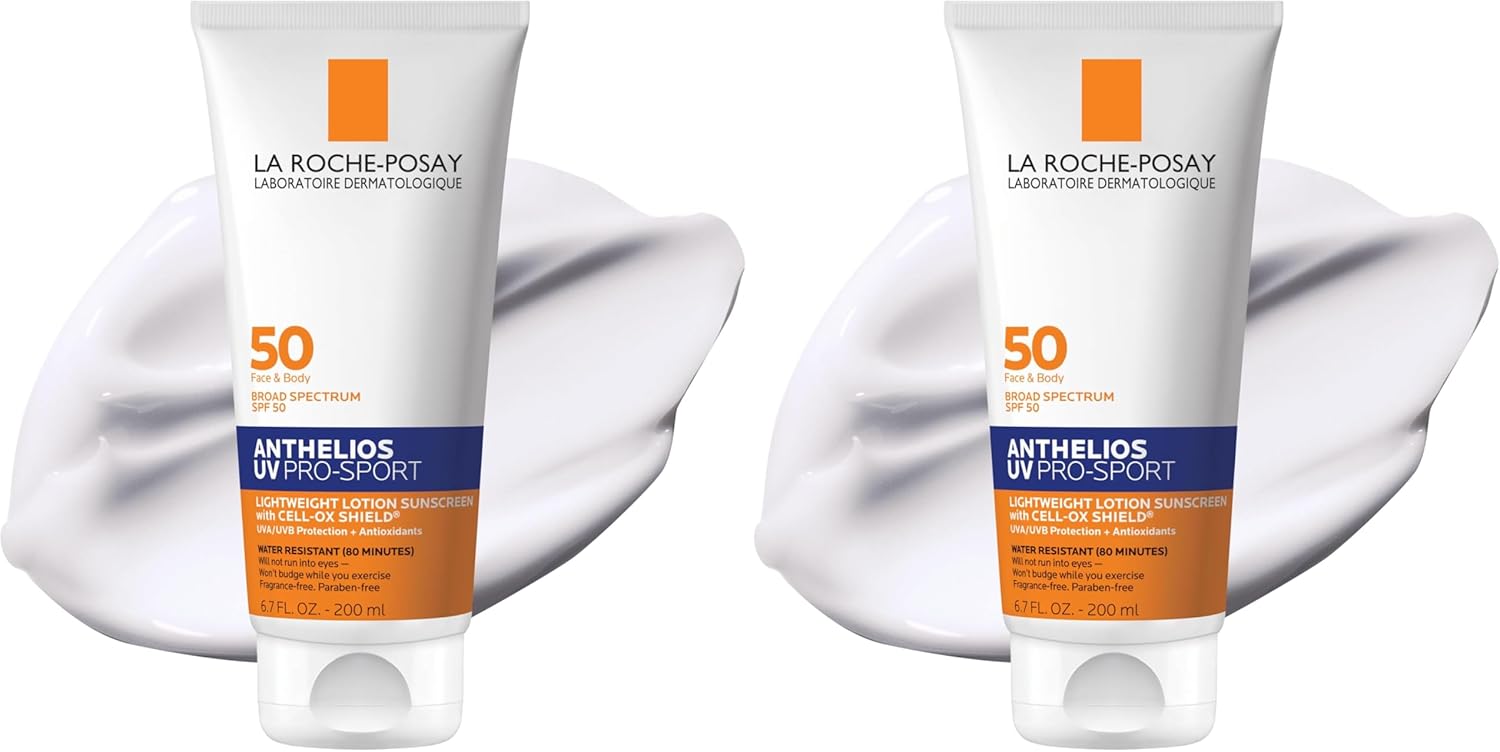
La Roche-Posay Anthelios Melt-in Milk SPF 60
№ 02 through № 10.
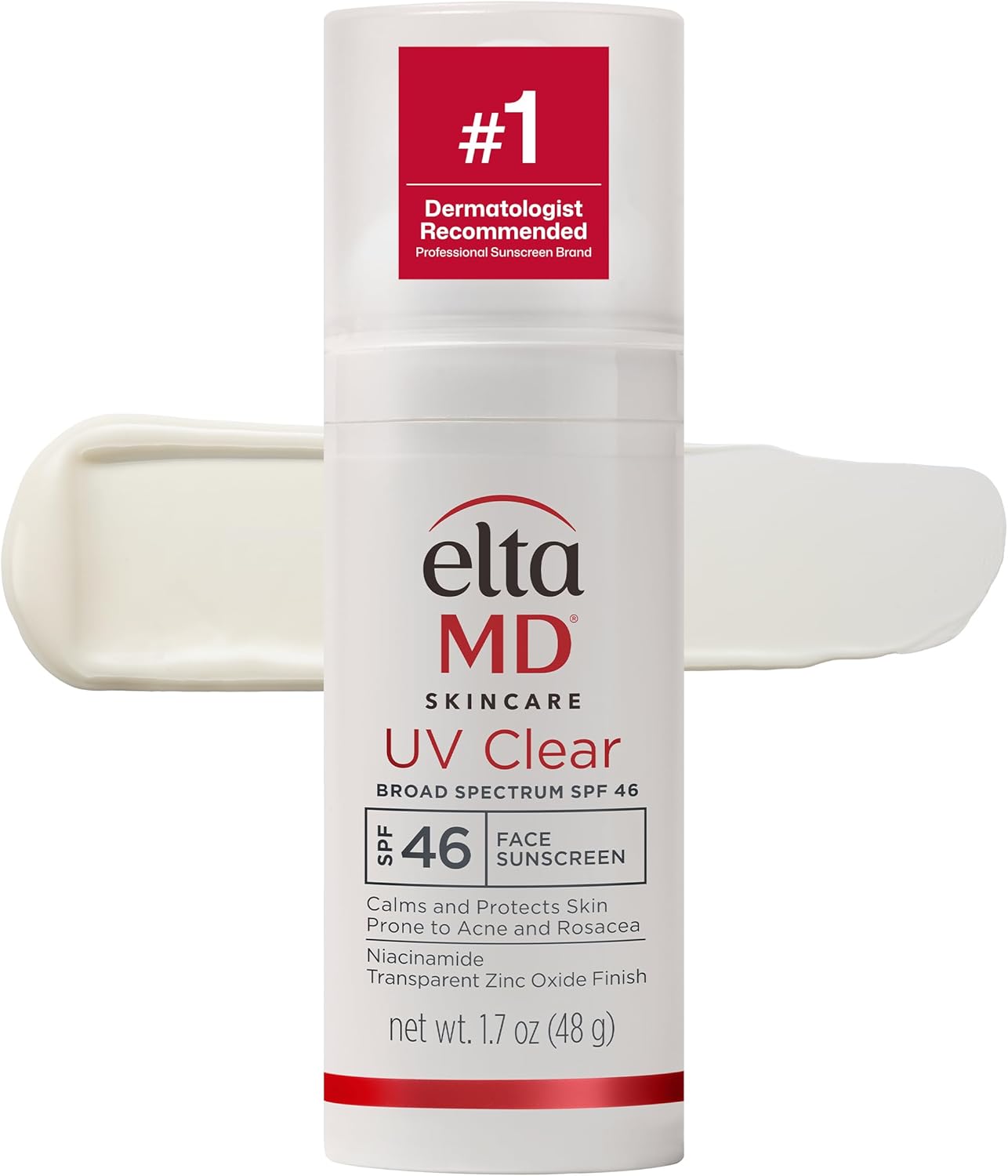
EltaMD UV Clear Broad-Spectrum SPF 46
EltaMD
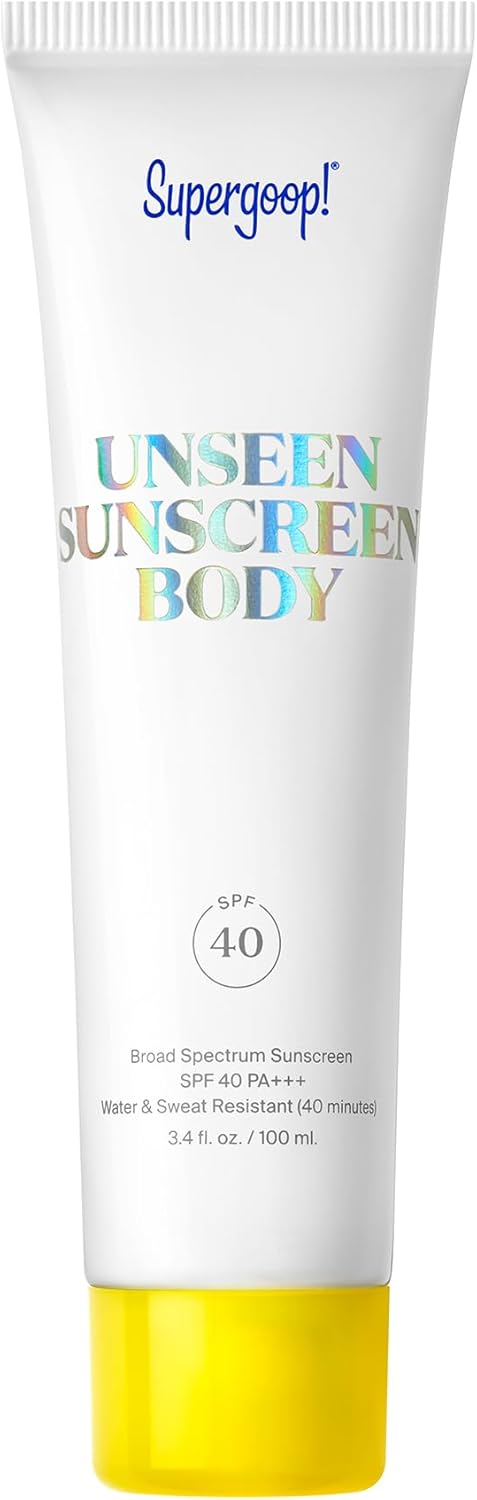
Supergoop! Unseen Sunscreen SPF 40
Supergoop!
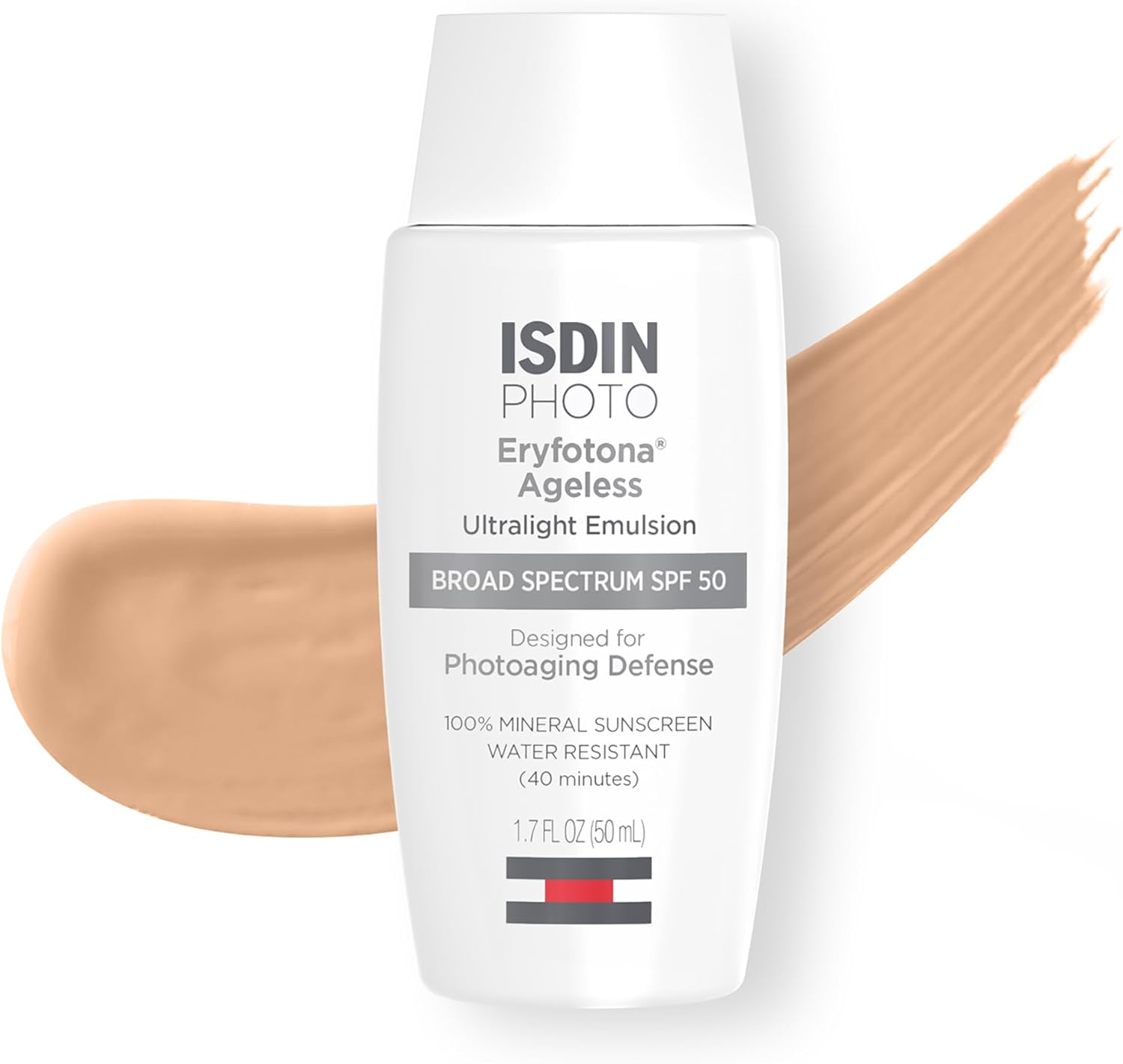
Isdin Eryfotona Ageless SPF 50
Isdin
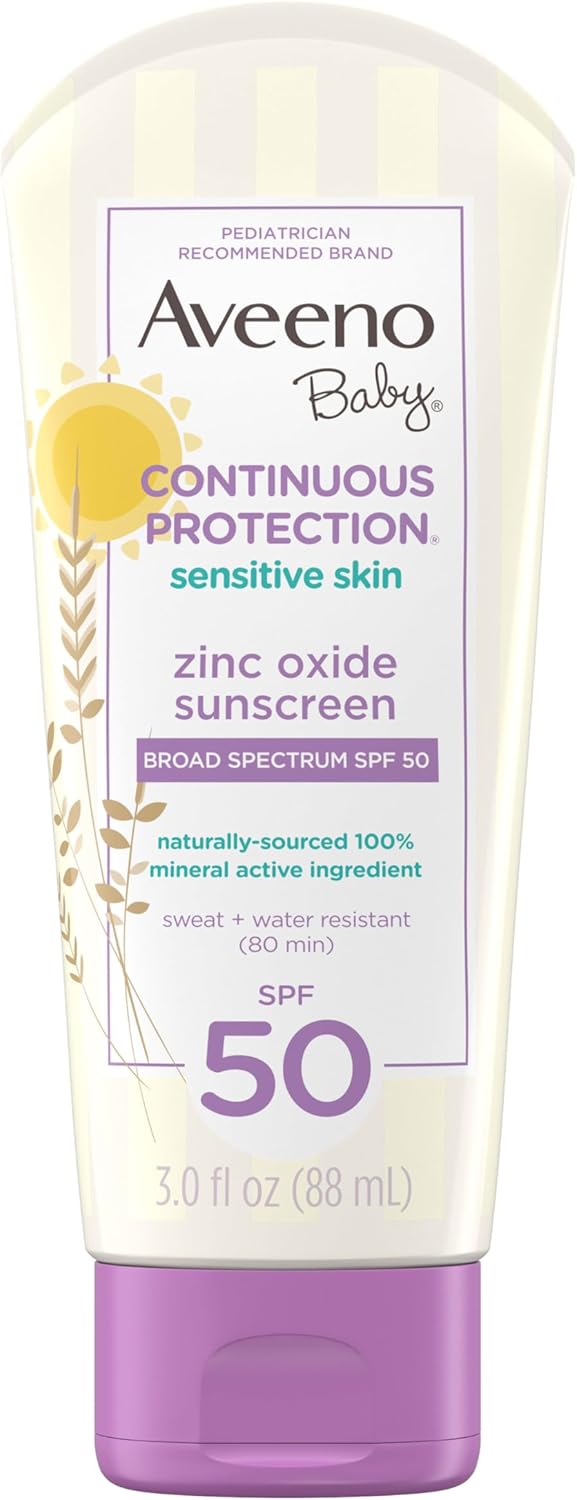
Aveeno Protect + Hydrate Sunscreen Body Lotion SPF 70
Aveeno
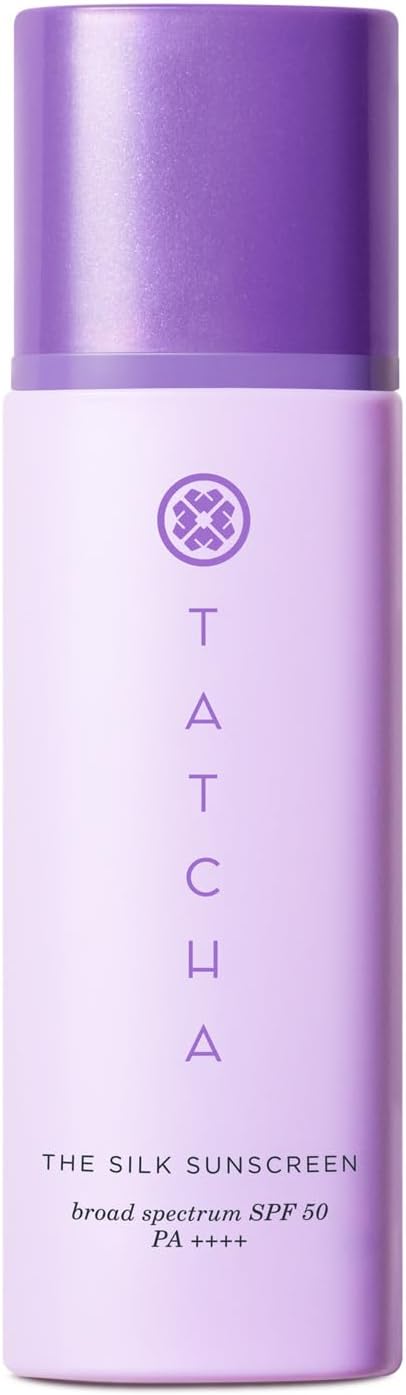
Tatcha The Silk Sunscreen SPF 50
Tatcha
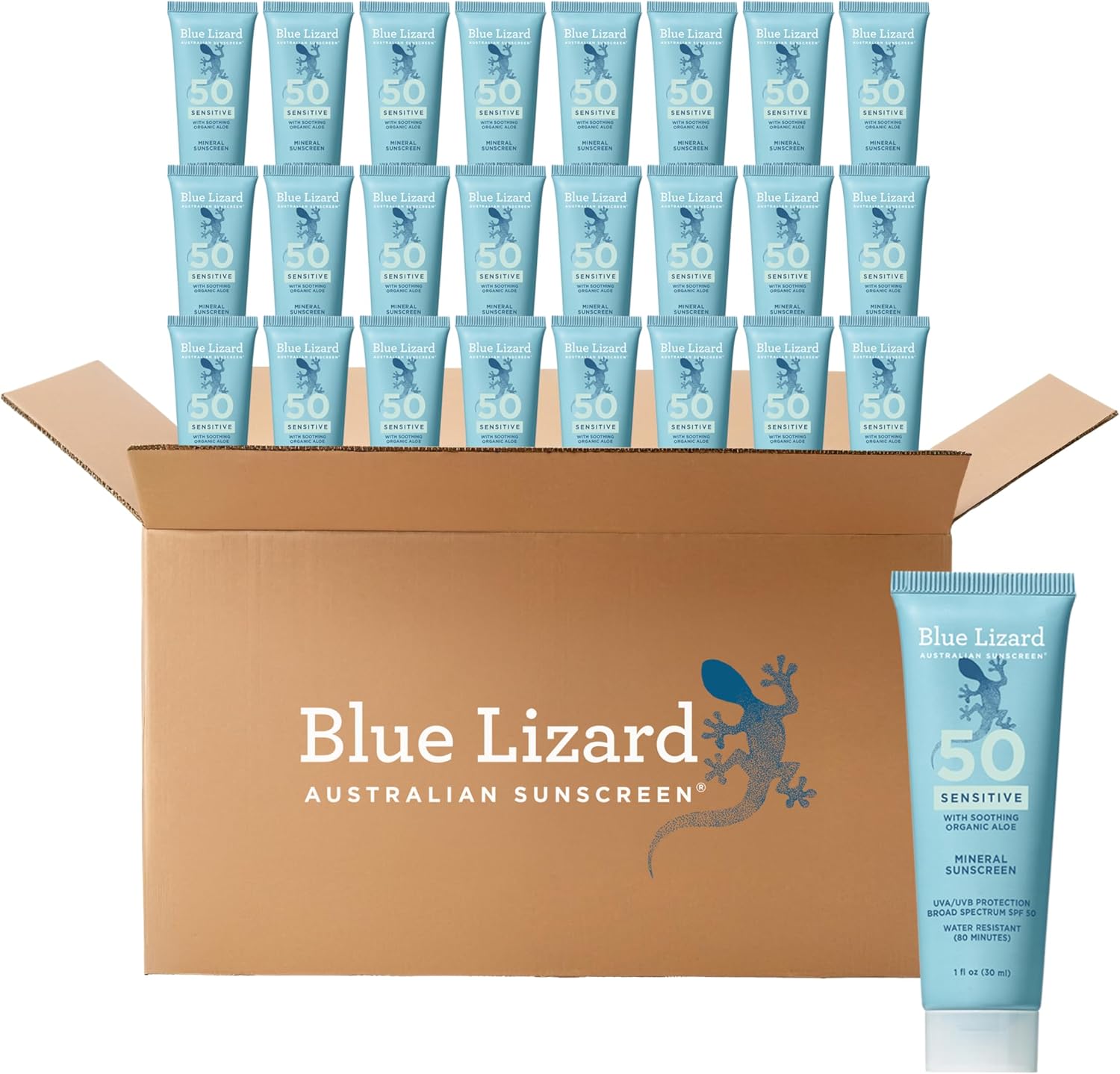
Blue Lizard Sensitive Mineral SPF 50+
Blue Lizard
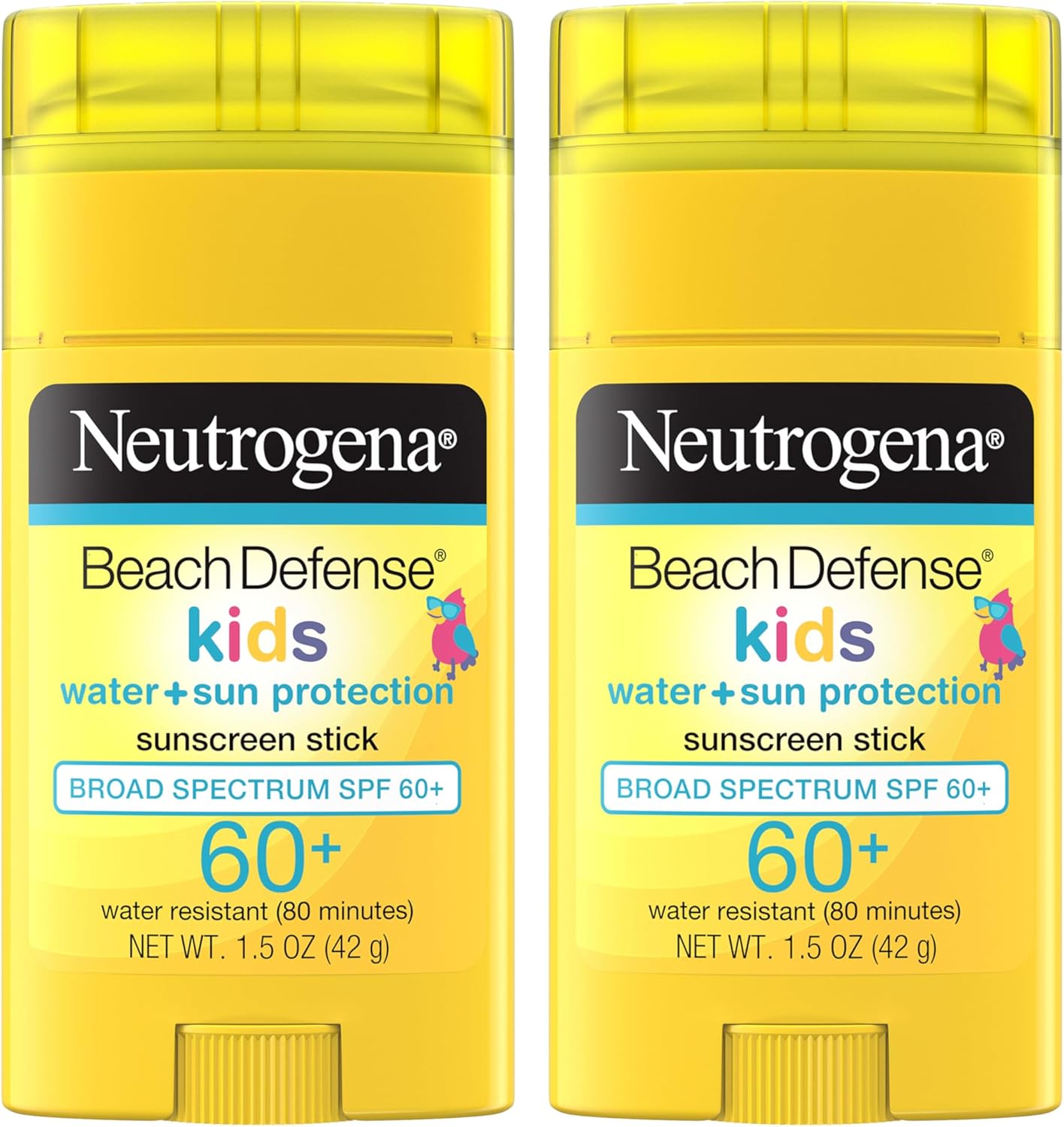
Neutrogena Beach Defense Sunscreen Stick SPF 50
Neutrogena
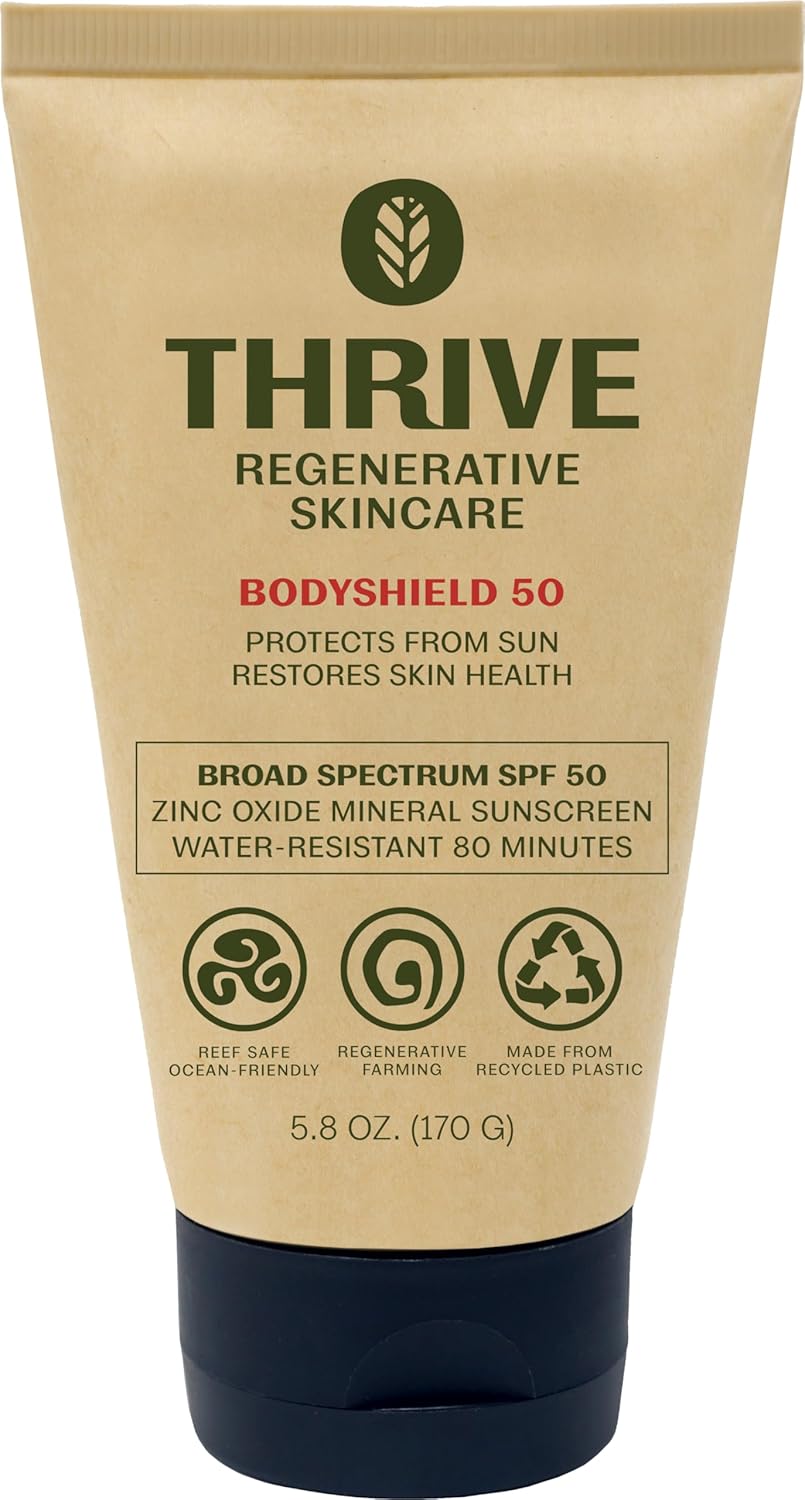
Thrive Bodyshield SPF 50
Thrive
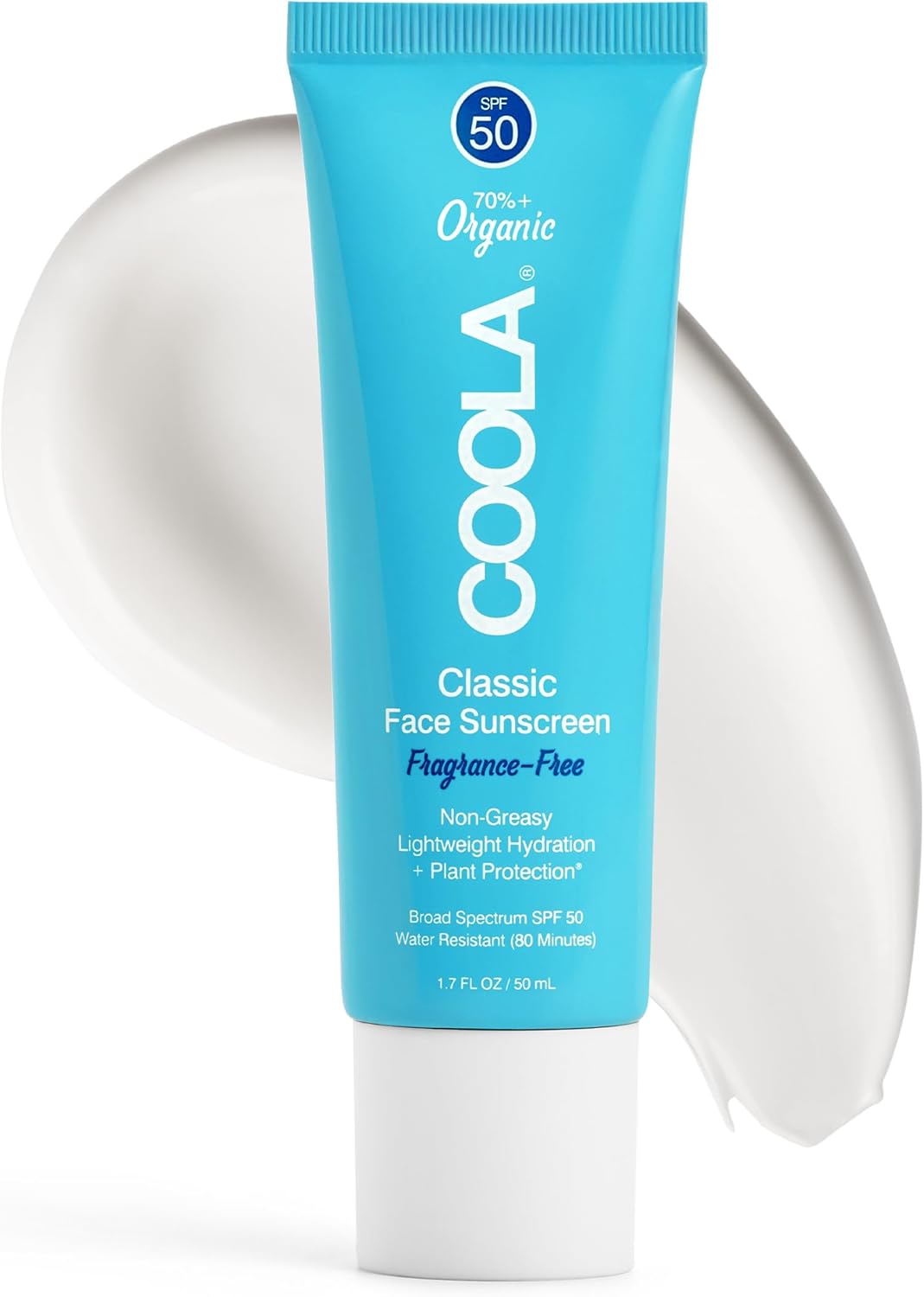
Coola Classic Face Sunscreen SPF 50
Coola
Best for different goals.
Oily and acne-prone skin
Look for lightweight, non-greasy finishes that sit well under makeup and do not sting the eyes.
Sensitive skin
Mineral-forward formulas can feel gentler if your skin reacts to some chemical filters.
Dry skin
More emollient sunscreen lotions can double as your daytime moisturizer.
Category FAQ.
Is SPF 30 enough for daily use?
For many indoor-to-office days it can be enough, but consistent reapplication matters more than chasing the highest number.
Should I use sunscreen even when it is cloudy?
Yes. UVA exposure still reaches skin on cloudy days and contributes to pigmentation and photoaging.
Do I need a separate moisturizer under sunscreen?
Not always. Many sunscreen formulas are moisturizing enough on their own, especially for normal to oily skin.
Notes before you purchase.
- 01
Daily wear depends on texture and finish as much as SPF number.
- 02
Oily skin usually benefits from fluid or gel textures, while dry skin often tolerates richer lotion formulas.
- 03
Pick a sunscreen you will reapply; cosmetic elegance matters for compliance.