
The best retinol & retinoid products.
Retinoids ΓÇö the family of vitamin A derivatives that includes retinol, retinaldehyde (retinal), retinyl palmitate, and prescription tretinoin ΓÇö are widely considered the gold standard in anti-aging skincare, backed by more clinical evidence than any other topical ingredient. Retinoids work by binding to retinoic acid receptors (RARs) in skin cells, which triggers increased cell turnover, stimulates collagen and elastin production, accelerates the shedding of dead skin cells, and regulates sebum production. The result is visibly smoother, firmer, and more even-toned skin with regular use. The retinoid family exists on a spectrum of potency and irritation potential: retinyl palmitate is the gentlest but least effective, retinol requires conversion to retinaldehyde then to retinoic acid in the skin, retinaldehyde (retinal) requires only one conversion step and is approximately 11 times more potent than retinol gram-for-gram, and tretinoin is the active form that works directly on receptors. The global retinol market was valued at approximately $2.8 billion in 2025, with particular growth in the 'buffered' and 'encapsulated' retinol segments that minimize irritation while maintaining efficacy. Dermatologists universally recommend a gradual 'retinization' approach: starting with a low concentration (0.1-0.3%) applied once or twice weekly, and slowly increasing frequency and strength over several weeks as tolerance builds. Retinoids should always be used at night (due to UV sensitivity), followed by a rich moisturizer, and paired with diligent daytime SPF use, as retinoids can increase photosensitivity by up to 50%.
Rankings combine ingredient scoring, verified review data, and editorial review — see the full method.
Skip to ranked products ↓The retinol landscape in 2025-2026 is being transformed by the emergence of retinaldehyde (retinal) as the 'it' ingredient, bridging the gap between over-the-counter retinol and prescription tretinoin. Medik8's Crystal Retinal range, which offers retinal in progressive strengths from 1 to 20, has become the archetype for this category, with brands like Naturium, Good Molecules, and Dr. Dennis Gross launching competing retinal products. The 'retinol sandwich' technique ΓÇö applying moisturizer before and after retinol to buffer its effects ΓÇö has gone from dermatologist insider tip to mainstream practice, driving demand for companion barrier-repair products. Bakuchiol, a plant-derived retinol alternative sourced from psoralea corylifolia seeds, continues to grow as an option for sensitive skin and pregnant individuals, though clinical evidence suggests it delivers only about 20-30% of retinol's efficacy. Encapsulation technology has revolutionized retinol delivery, with brands using liposomal, polymeric, and cyclodextrin encapsulation to control the release rate of retinol into the skin, dramatically reducing irritation. The trend of combining retinoids with complementary ingredients is accelerating ΓÇö retinol + peptides for dual anti-aging pathways, retinol + niacinamide for brightening and barrier support, and retinol + bakuchiol for enhanced tolerance. At the premium end, AI-personalized retinol strength recommendations are emerging through apps like CureSkin and Proven Skincare. The Asian market has embraced 'retinol toning' ΓÇö lightweight retinol-infused toners that deliver low doses across the entire face, reducing the risk of concentrated irritation patches. Overall, the retinol market is projected to grow at 5.8% CAGR through 2030.
№ 01 — the one to know.
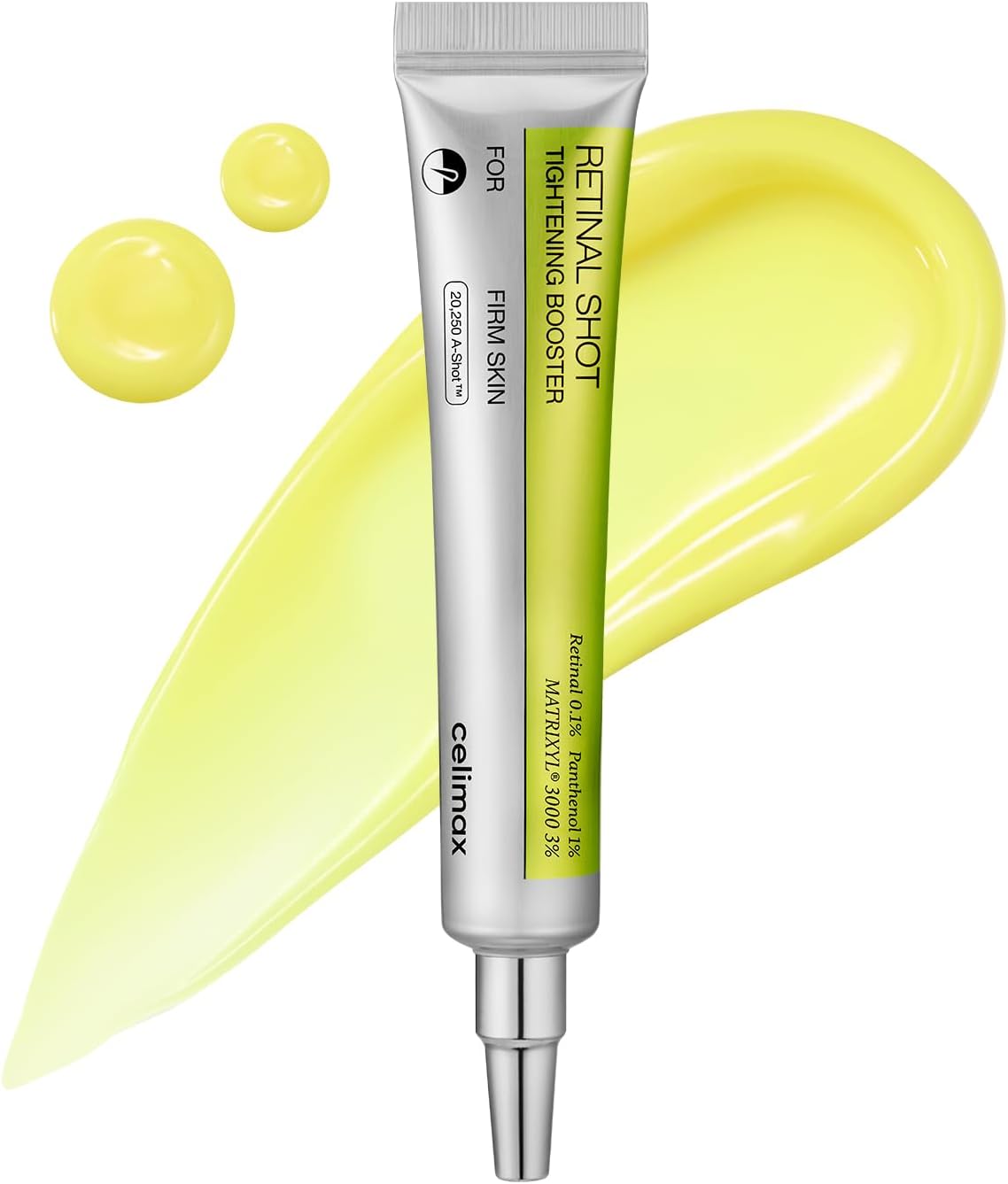
Medik8 Crystal Retinal 10
№ 02 through № 10.
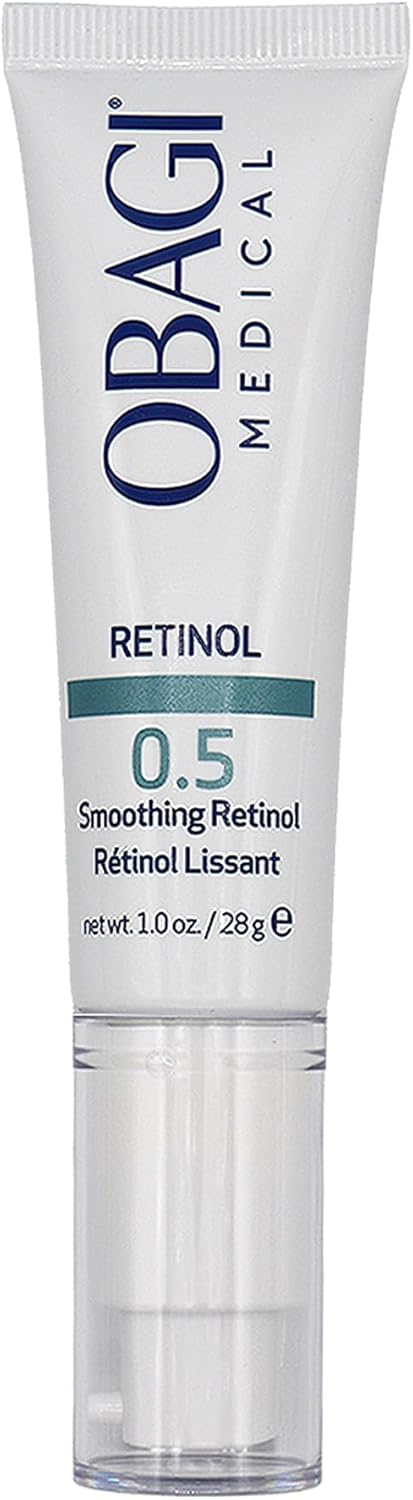
SkinCeuticals Retinol 0.5 Refining Night Cream
SkinCeuticals
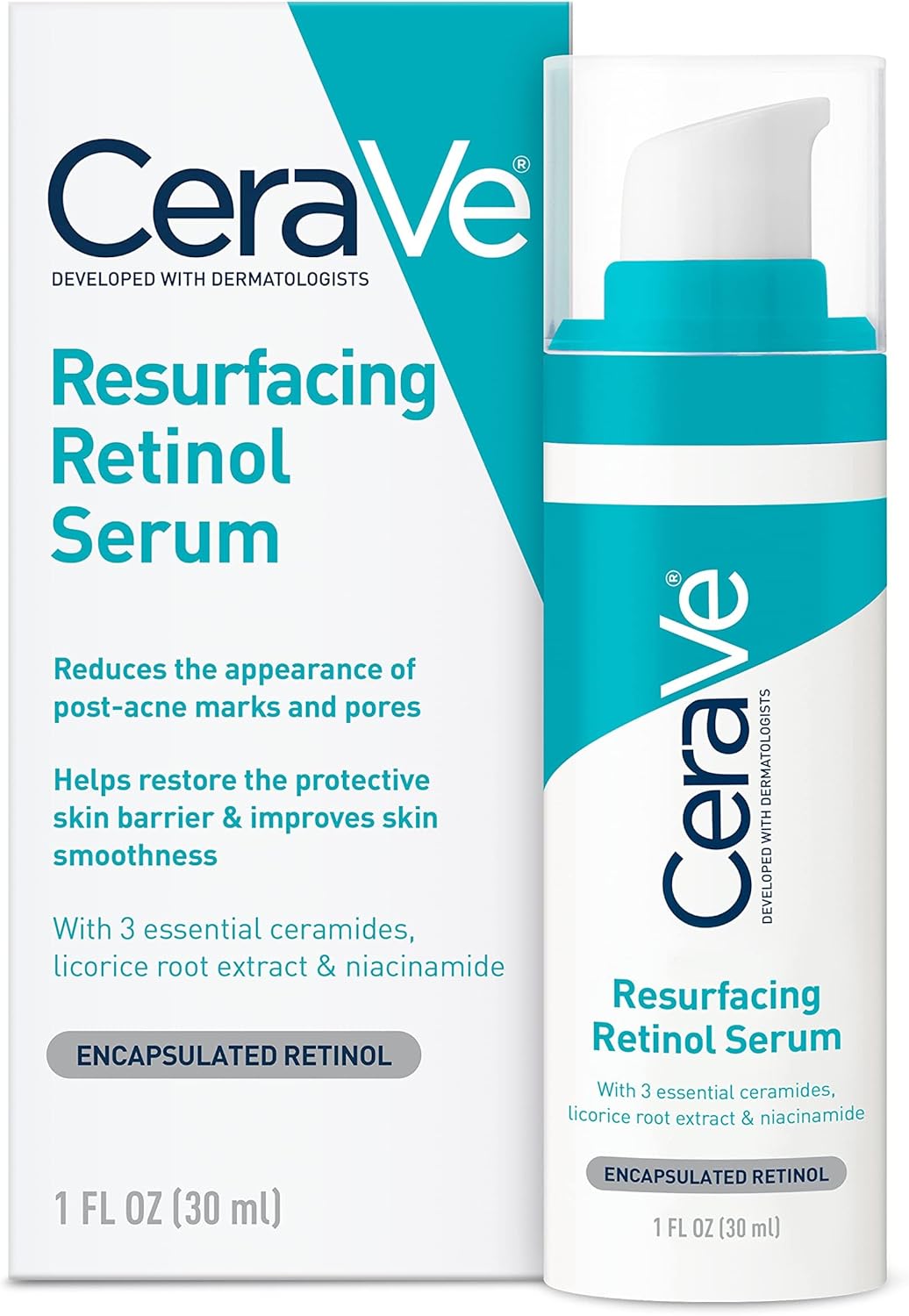
CeraVe Skin Renewing Retinol Serum
CeraVe
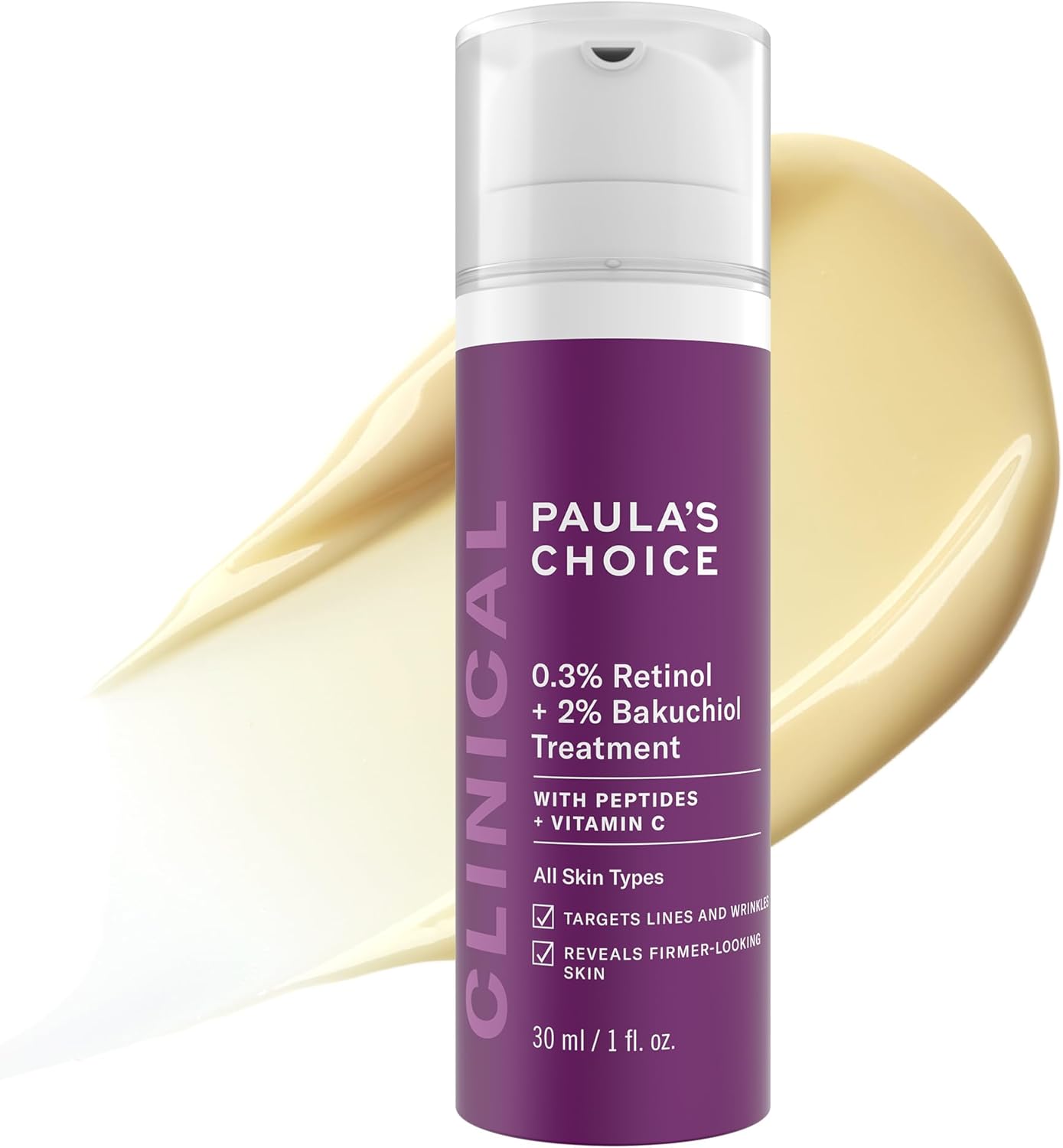
Paula's Choice Clinical 1% Retinol Treatment
Paula's Choice
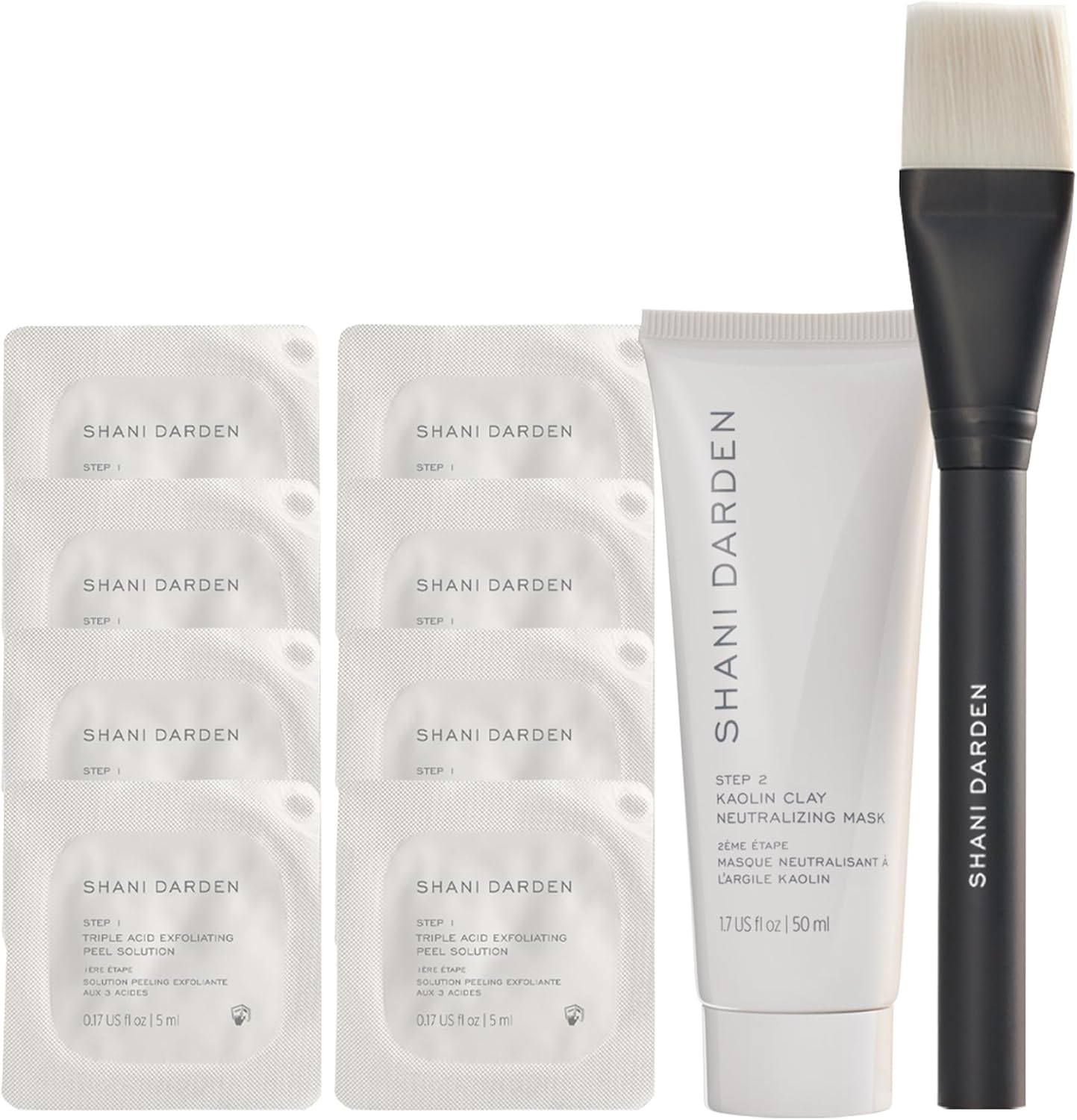
Shani Darden Retinol Reform
Shani Darden
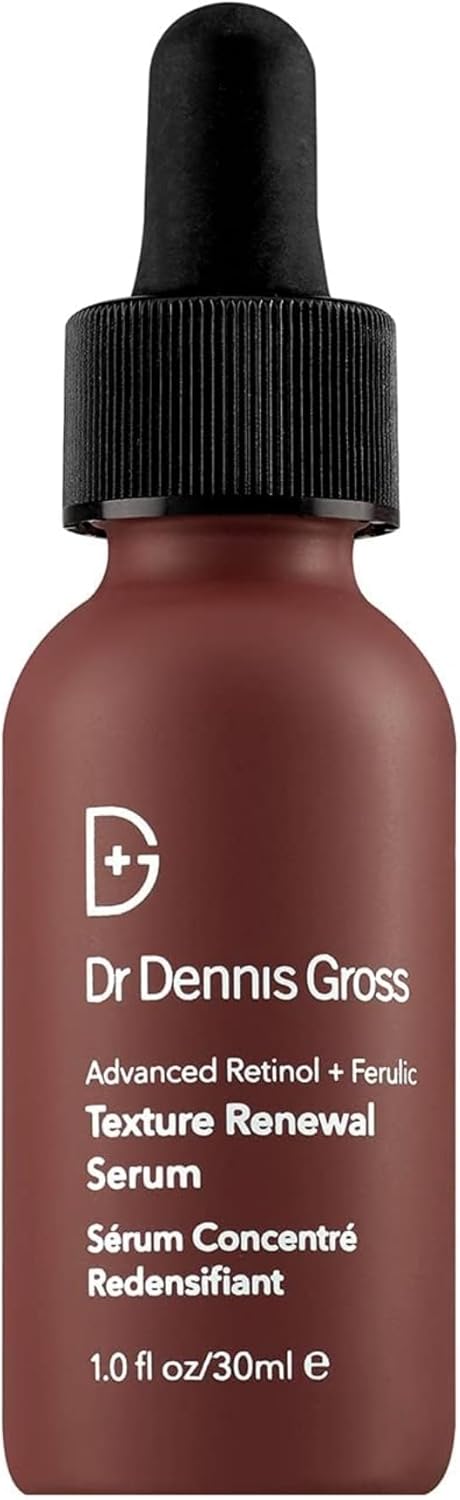
Dr. Dennis Gross Ferulic + Retinol Wrinkle Recovery Serum
Dr. Dennis Gross
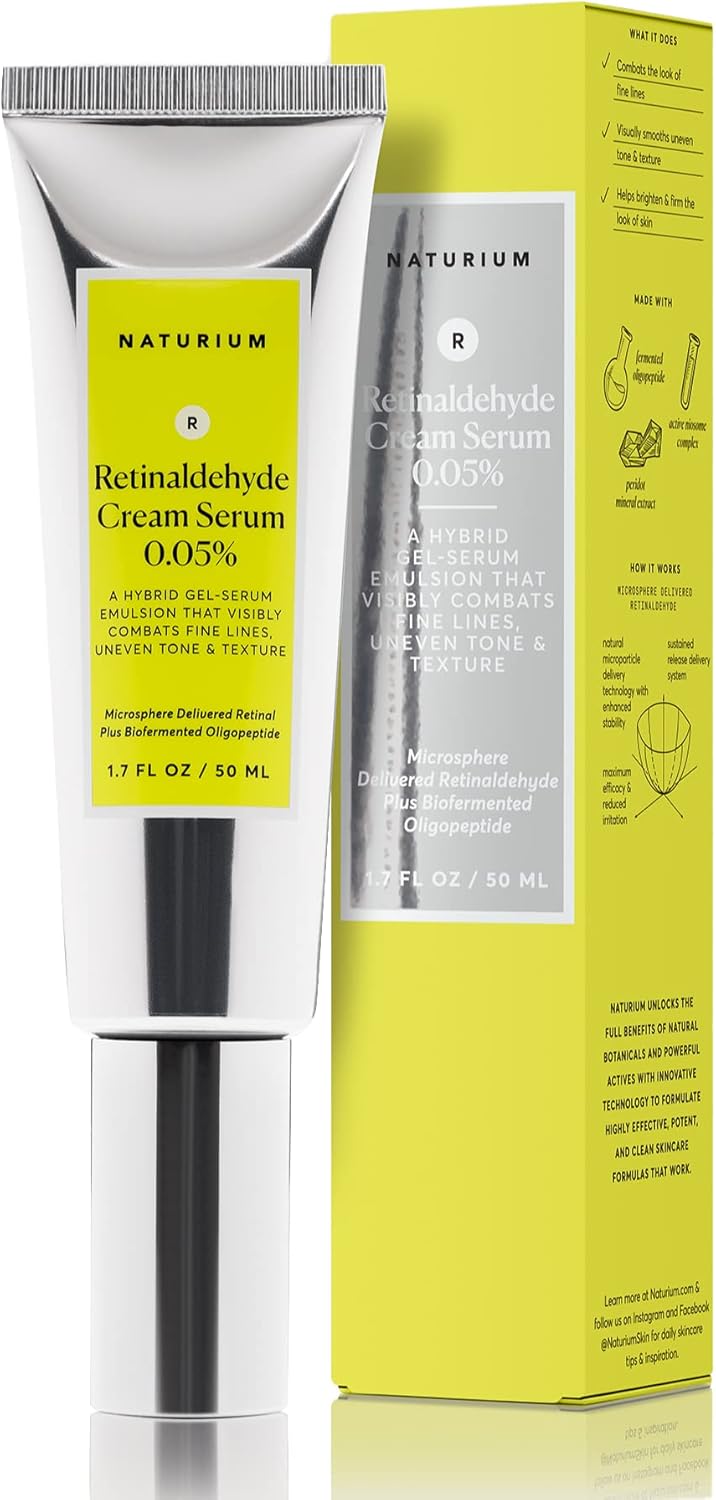
Naturium Retinaldehyde Cream
Naturium
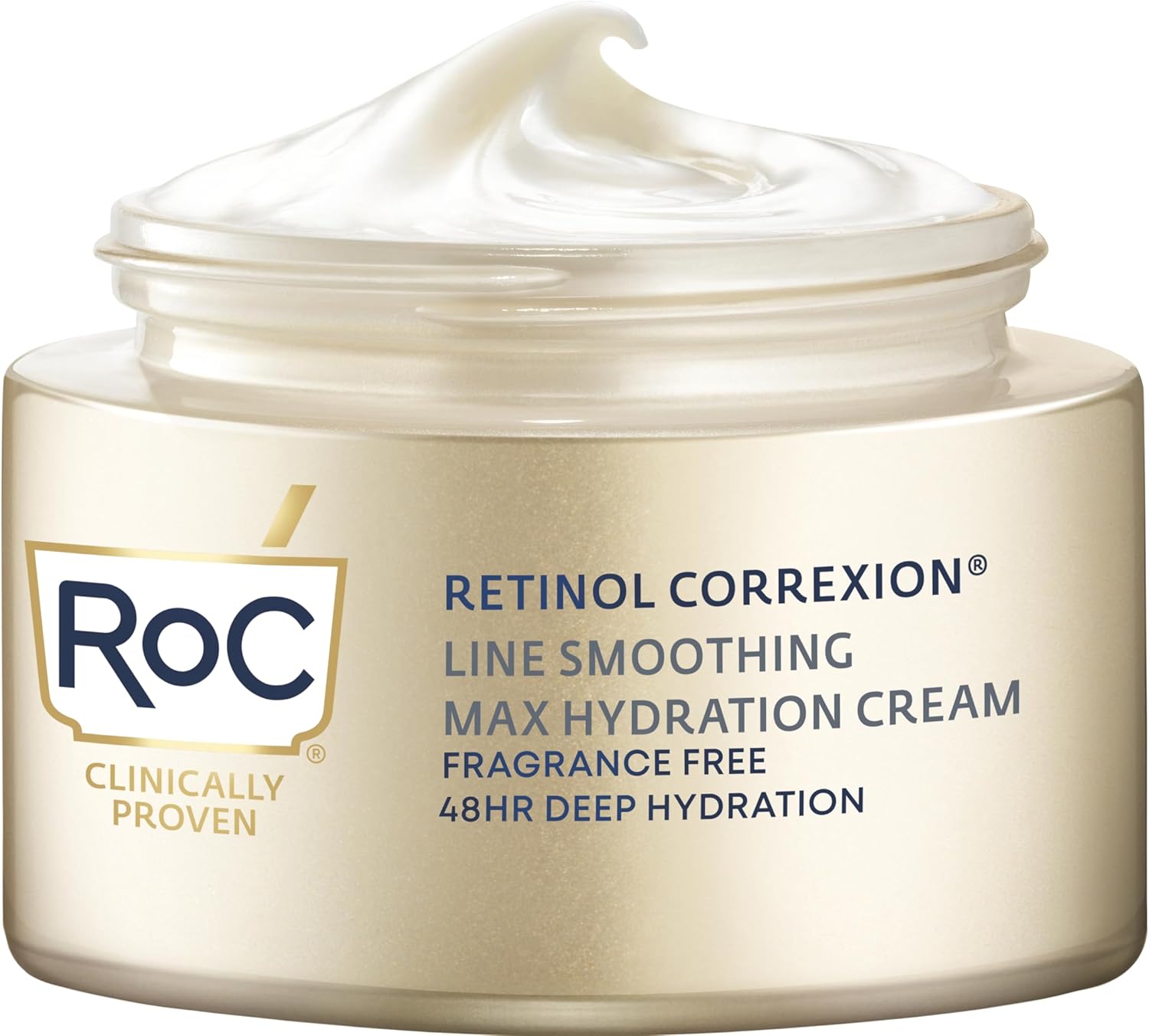
RoC Retinol Correxion Deep Wrinkle Night Cream
RoC
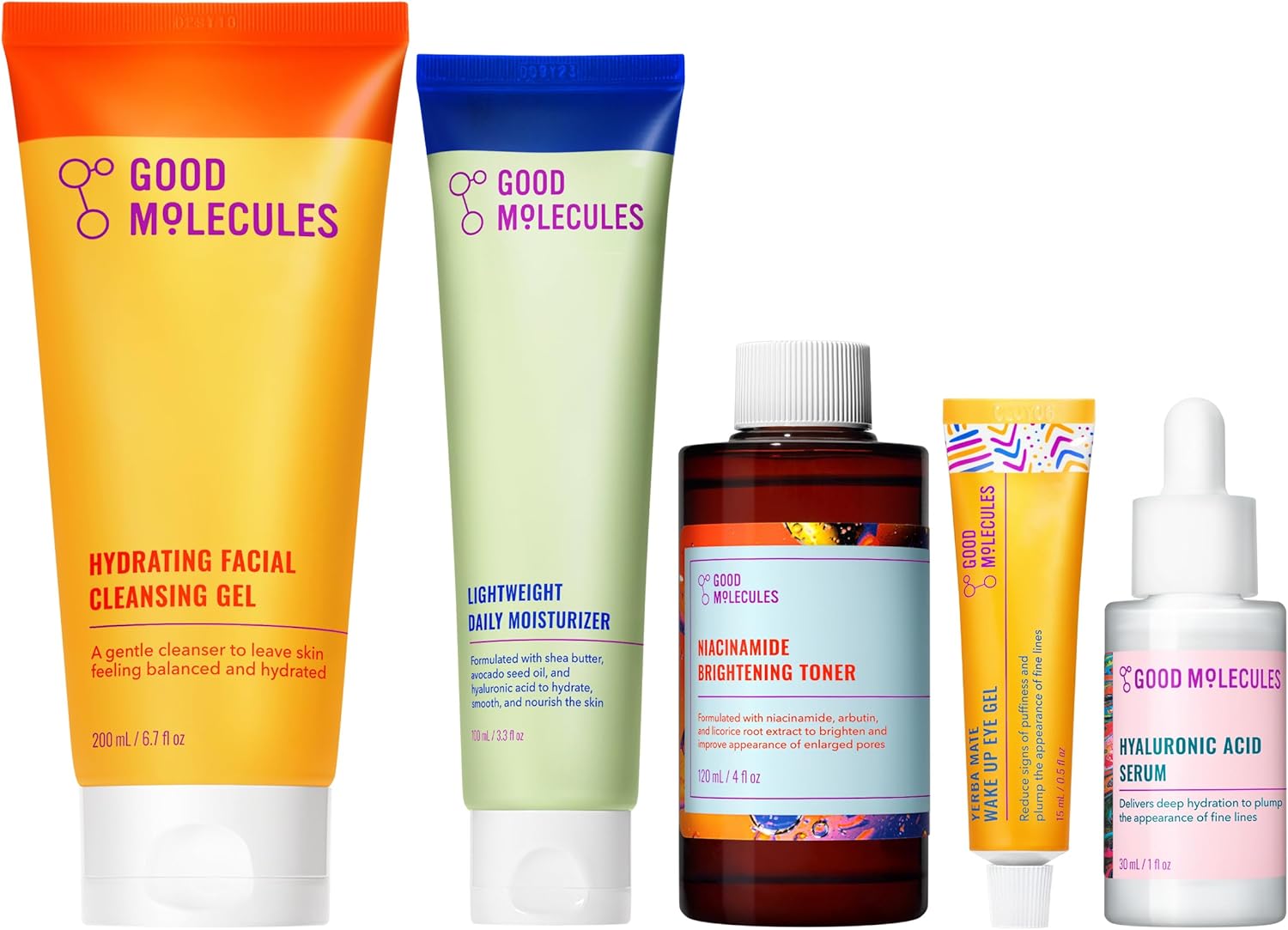
Good Molecules Gentle Retinol Cream
Good Molecules
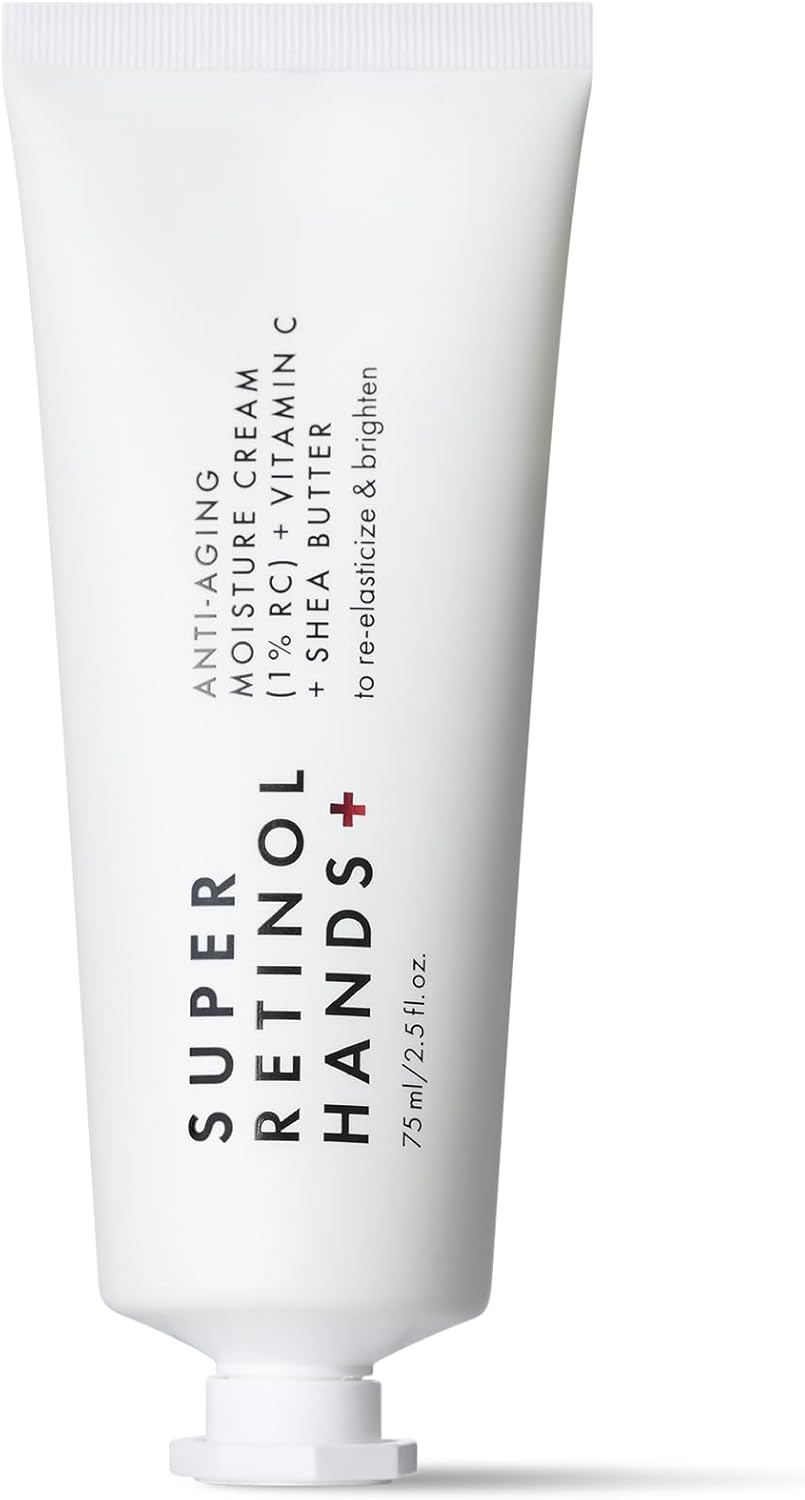
Beauty Pie Super Retinol Serum
Beauty Pie
Best for different goals.
Fine lines and wrinkles
Retinoids remain the benchmark ingredient family for long-term smoothing and collagen support.
Texture and tone
Gradual retinoid use can improve roughness, uneven tone, and post-breakout marks.
Sensitive beginners
Encapsulated retinol or low-strength retinal formulas are often easier entry points.
Category FAQ.
How many nights a week should beginners use retinol?
Most beginners do best starting one to two nights per week and increasing only if skin stays comfortable.
Can I use retinol with exfoliating acids?
You can, but many routines work better when they are alternated to reduce irritation.
Is retinal stronger than retinol?
Yes. Retinal generally converts more directly and is typically more potent than standard retinol.
Notes before you purchase.
- 01
Start slowly and prioritize consistency over strength.
- 02
A gentler retinol used reliably often outperforms a strong formula that causes irritation.
- 03
Barrier-supporting support products matter if you want to stay on a retinoid long term.