
The best face masks.
Face masks occupy a unique position in skincare ΓÇö they are designed for periodic, intensive treatment rather than daily use, delivering high concentrations of active ingredients in a single sitting. The face mask category encompasses a diverse range of formats, each suited to different skin concerns and preferences. Sheet masks, rooted in Korean beauty tradition, are pre-cut fabric or bio-cellulose sheets soaked in concentrated serums that create an occlusive barrier, forcing active ingredients deeper into the skin. Clay and mud masks use absorbent minerals like kaolin, bentonite, and volcanic clay to draw out impurities, excess oil, and toxins from pores ΓÇö they are particularly effective for oily and acne-prone skin. Cream and gel masks provide deep hydration and are often left on overnight as the final step in an evening routine. Exfoliating masks contain AHAs or BHAs at higher concentrations than daily exfoliants, providing a weekly 'reset' for the skin. The global face mask market was valued at approximately $8.9 billion in 2025, with sheet masks accounting for the largest segment. K-beauty continues to dominate the mask category, with Korean brands like Mediheal, Innisfree, and Torriden driving innovation in sheet material technology (hydrogel, biocellulose, and cupra fabrics that conform closely to facial contours). The key to effective mask use is consistency and appropriate selection ΓÇö using a hydrating mask when your skin is dehydrated, a clay mask when congested, and a brightening mask before a special event.
Rankings combine ingredient scoring, verified review data, and editorial review — see the full method.
Skip to ranked products ↓The face mask category in 2025-2026 is being driven by two powerful forces: K-beauty's viral global influence and the growing demand for functional, results-oriented masking. The Biodance Bio-Collagen Real Deep Mask has become the most viral skincare product of 2025, with over 2 billion views on TikTok and widespread sellouts on Amazon and Olive Young. Its success has validated the 'long-wear mask' concept ΓÇö leaving a hydrogel mask on for extended periods (even until it dries) for maximum absorption, a practice that previously contradicted conventional skincare advice. Overnight sleeping masks remain a staple, with Laneige Water Sleeping Mask maintaining its position as the world's best-selling mask product for the fifth consecutive year. The trend toward 'multi-masking' ΓÇö applying different masks to different zones of the face simultaneously (clay on the T-zone, hydrating on the cheeks) ΓÇö has moved from Instagram novelty to mainstream practice. Wash-off masks are experiencing a renaissance, particularly those featuring natural ingredients like honey (I'm From Honey Mask), mugwort (Beauty of Joseon), and volcanic clay (Medicube). The premium mask segment is growing, with Tatcha, SK-II, and Aesop offering luxury masking experiences at $15-30+ per application. Sustainability concerns around single-use sheet masks are driving innovation in biodegradable sheet materials and concentrated powder masks that eliminate the need for single-use packaging altogether. Looking ahead, the 'skin fasting mask' concept ΓÇö masks that give the skin a break from active ingredients ΓÇö is an emerging niche, as is the use of cryo-masks and heated masks that leverage temperature for enhanced ingredient absorption.
№ 01 — the one to know.
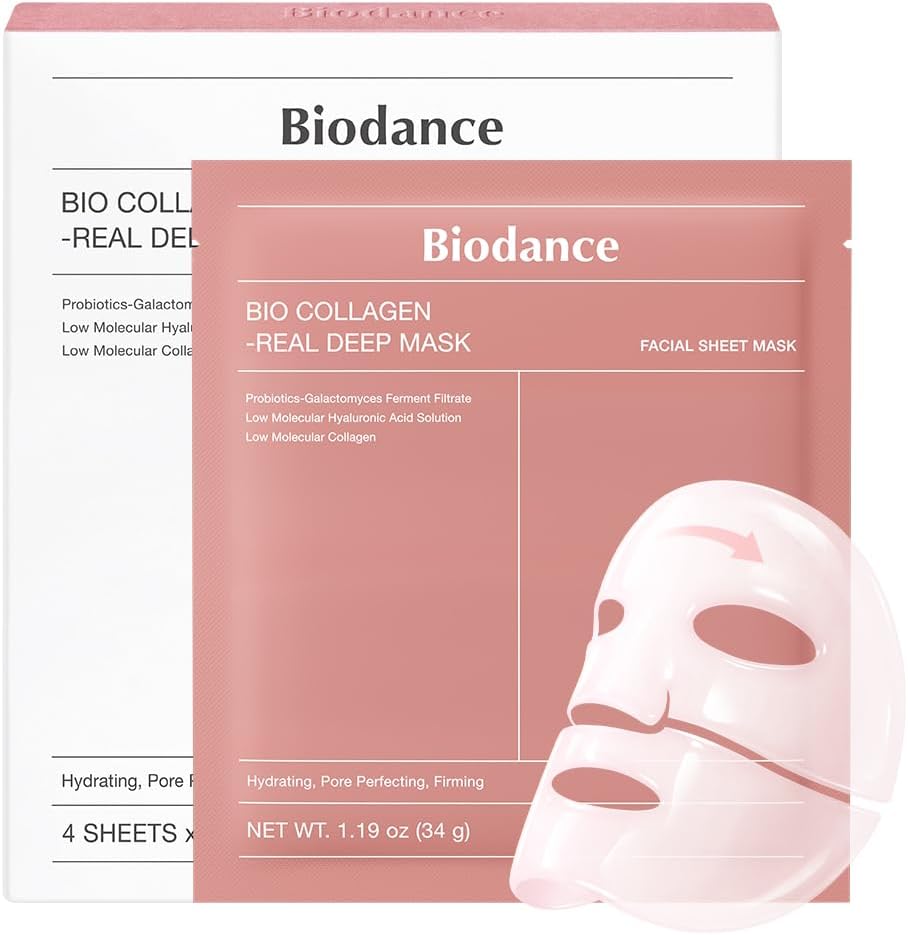
Biodance Bio-Collagen Real Deep Mask
№ 02 through № 10.
Dr. Jart+ Cicapair Tiger Grass Cream Mask
Dr. Jart+
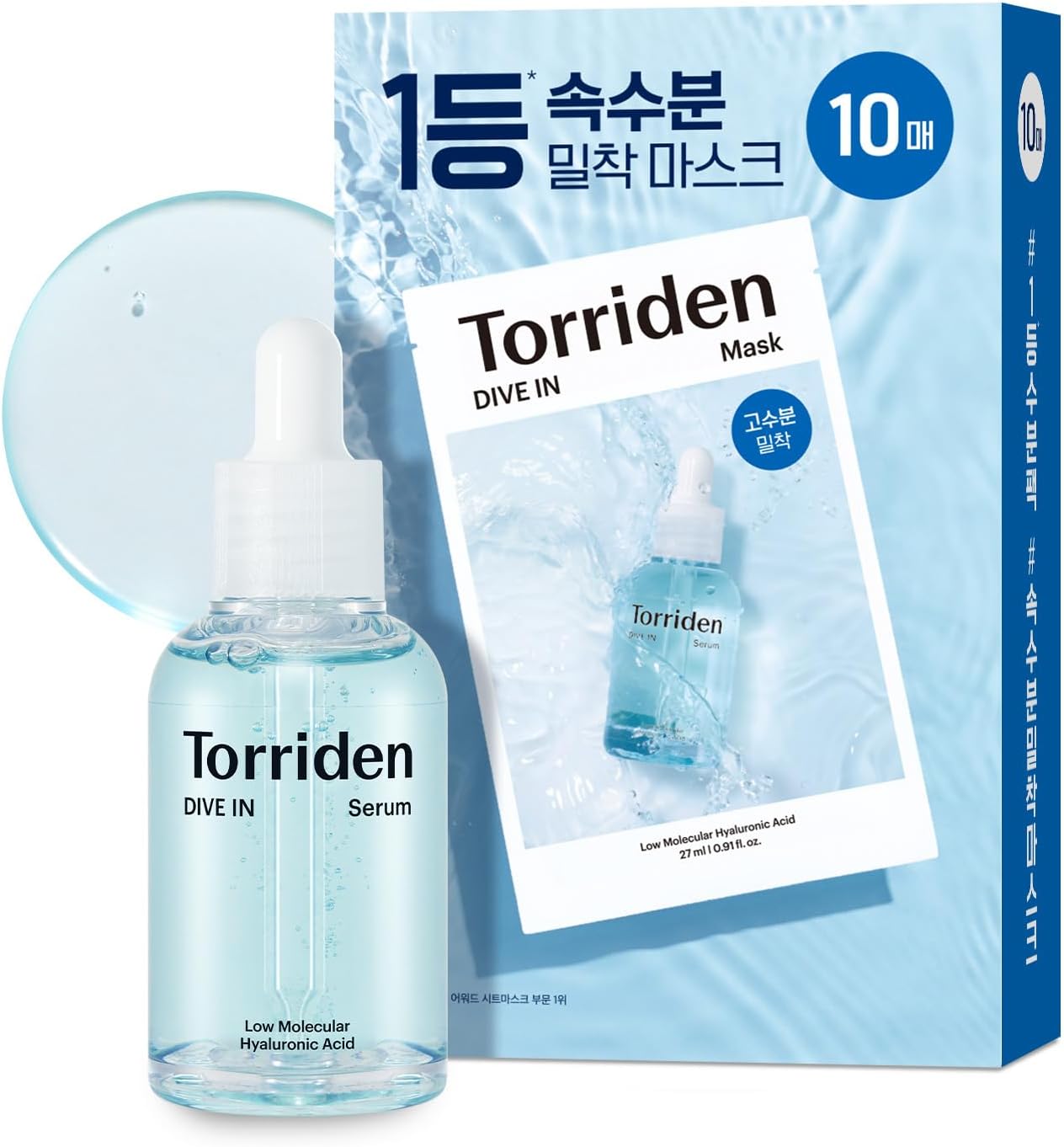
Torriden Dive-In Low Molecular Hyaluronic Acid Mask
Torriden
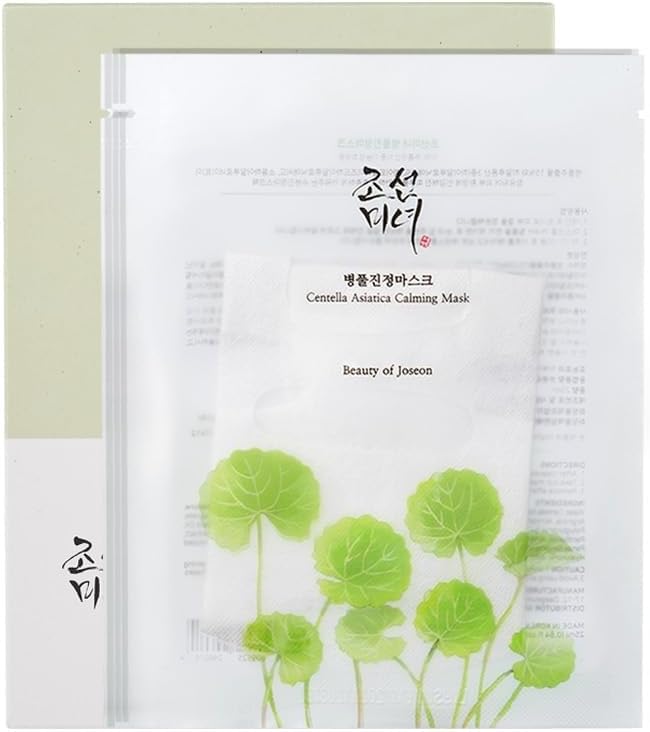
Beauty of Joseon Calming Mask
Beauty of Joseon
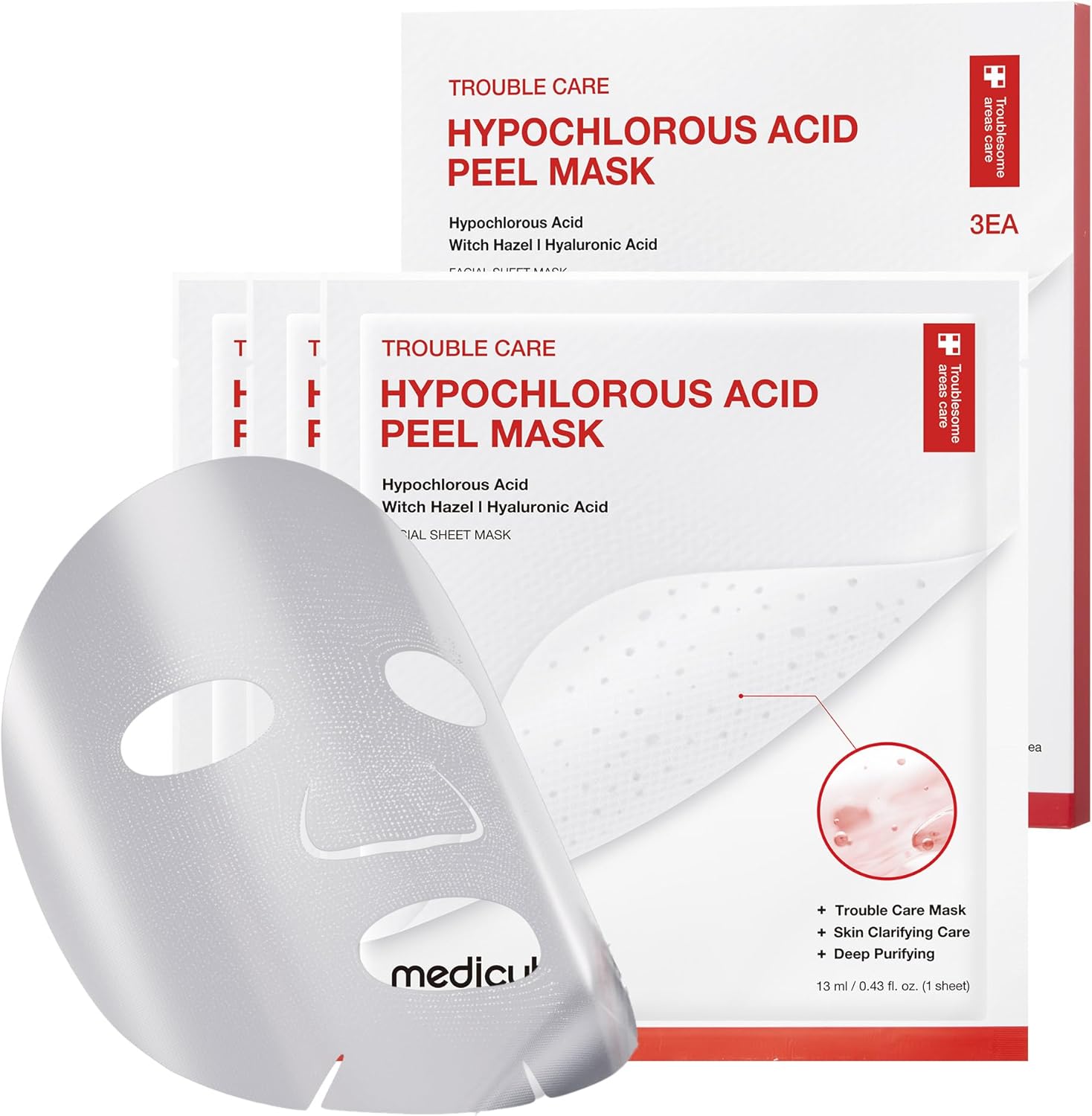
Medicube Zero Pore Blackhead Mud Mask
Medicube
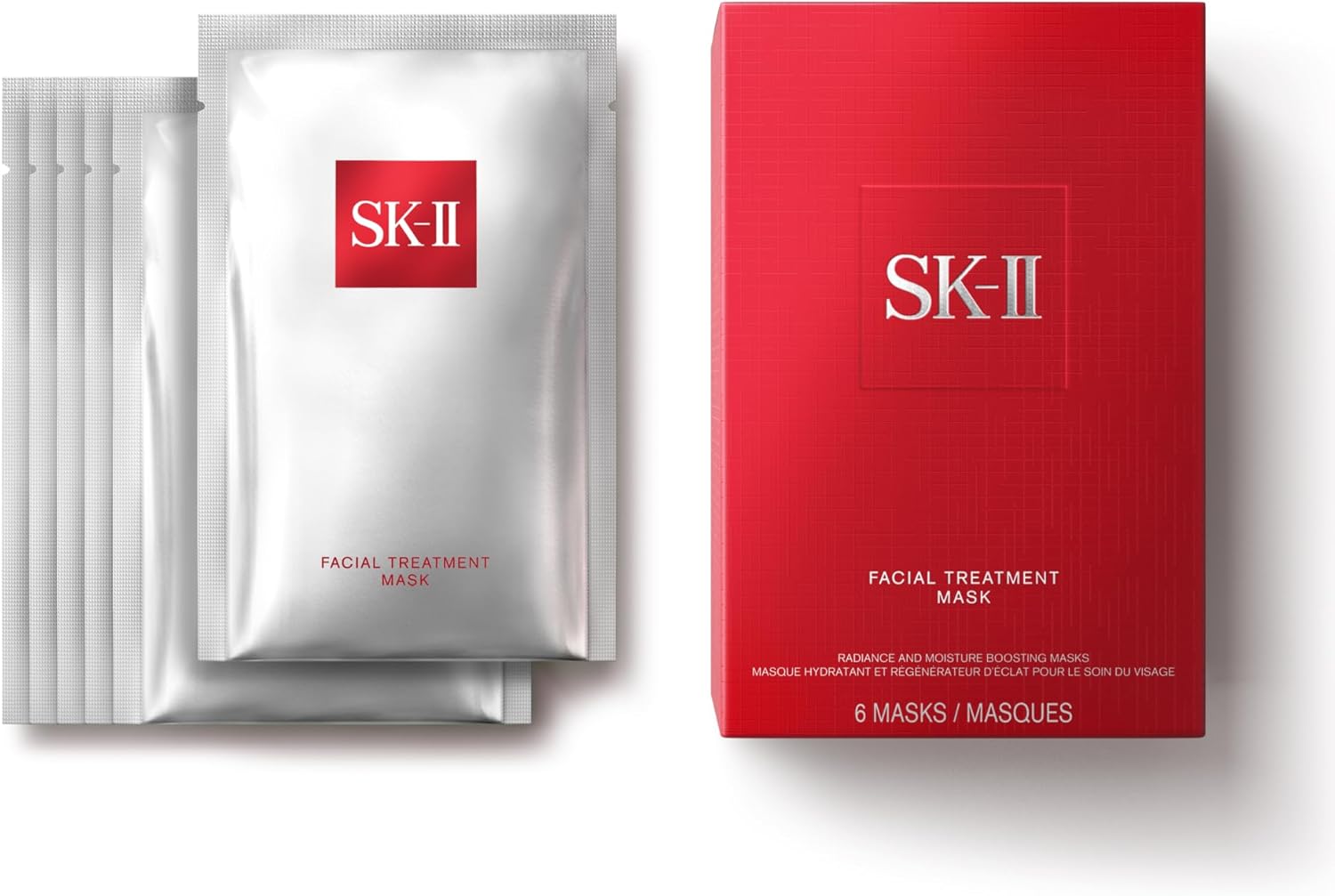
SK-II Facial Treatment Mask
SK-II
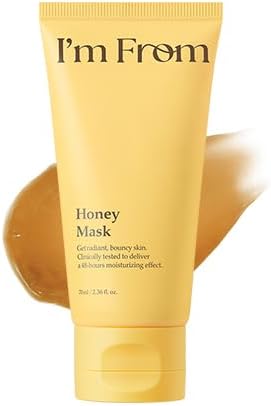
I'm From Honey Mask
I'm From
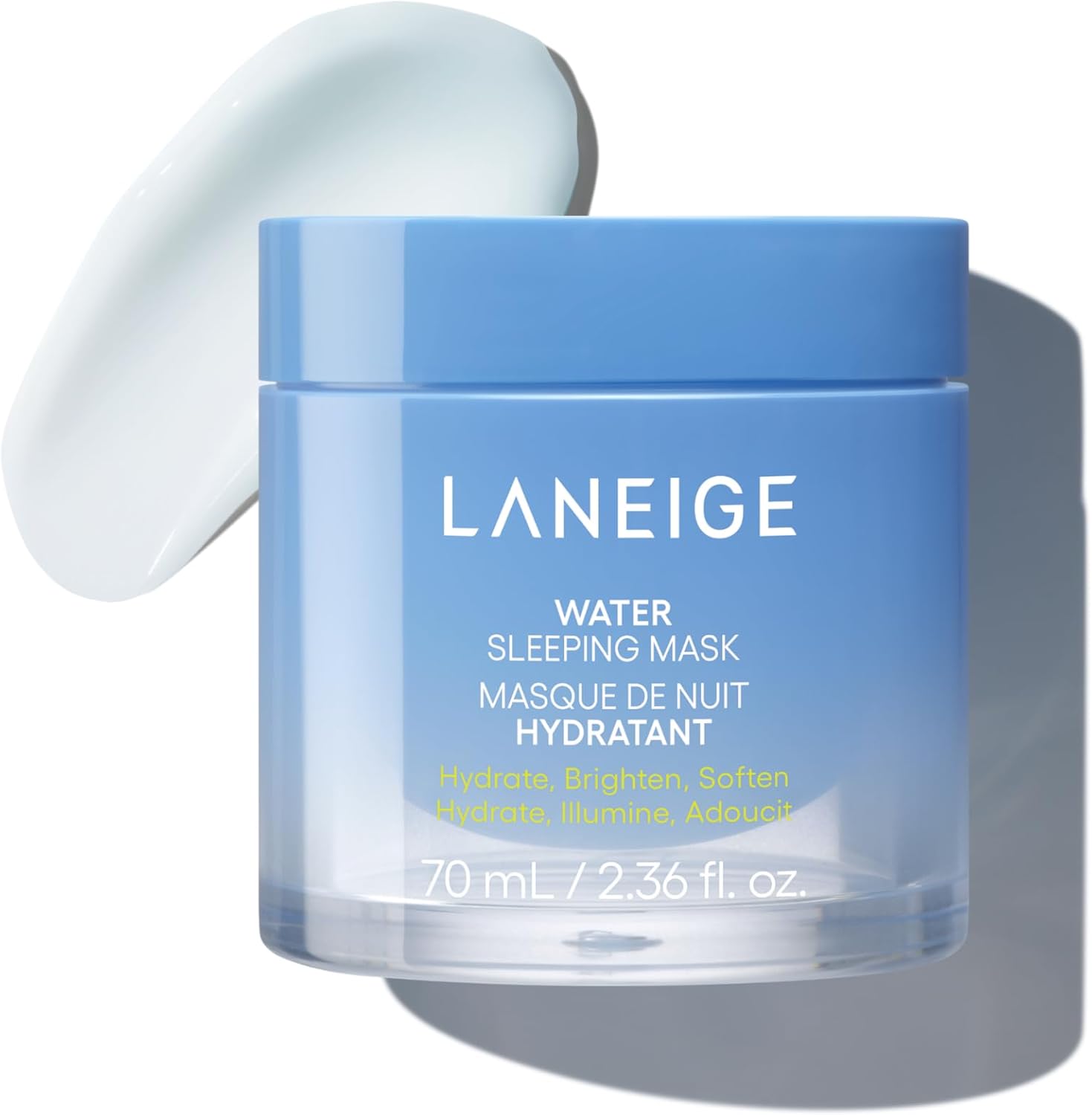
Laneige Water Sleeping Mask
Laneige
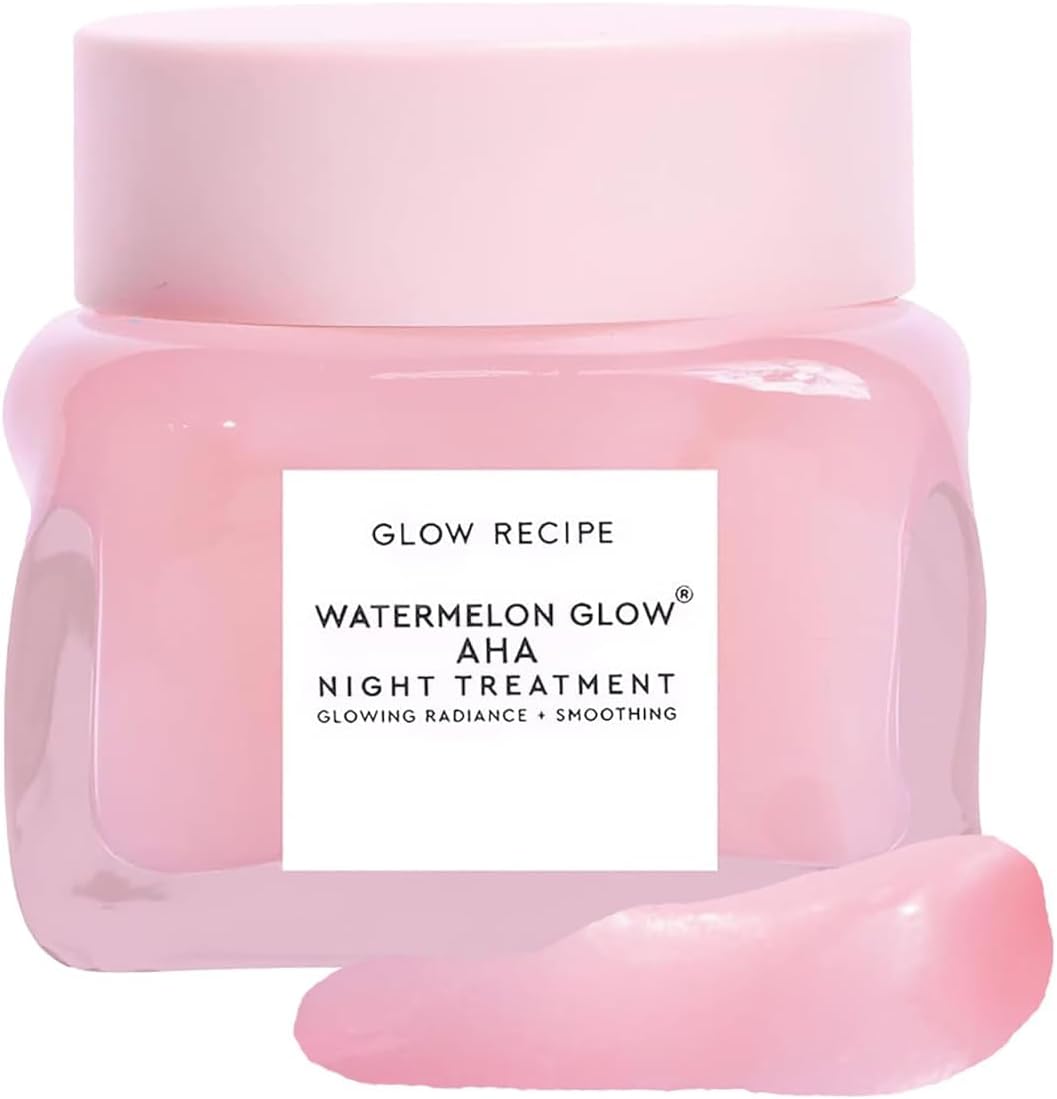
Glow Recipe Watermelon Glow Pink Juice Mask
Glow Recipe
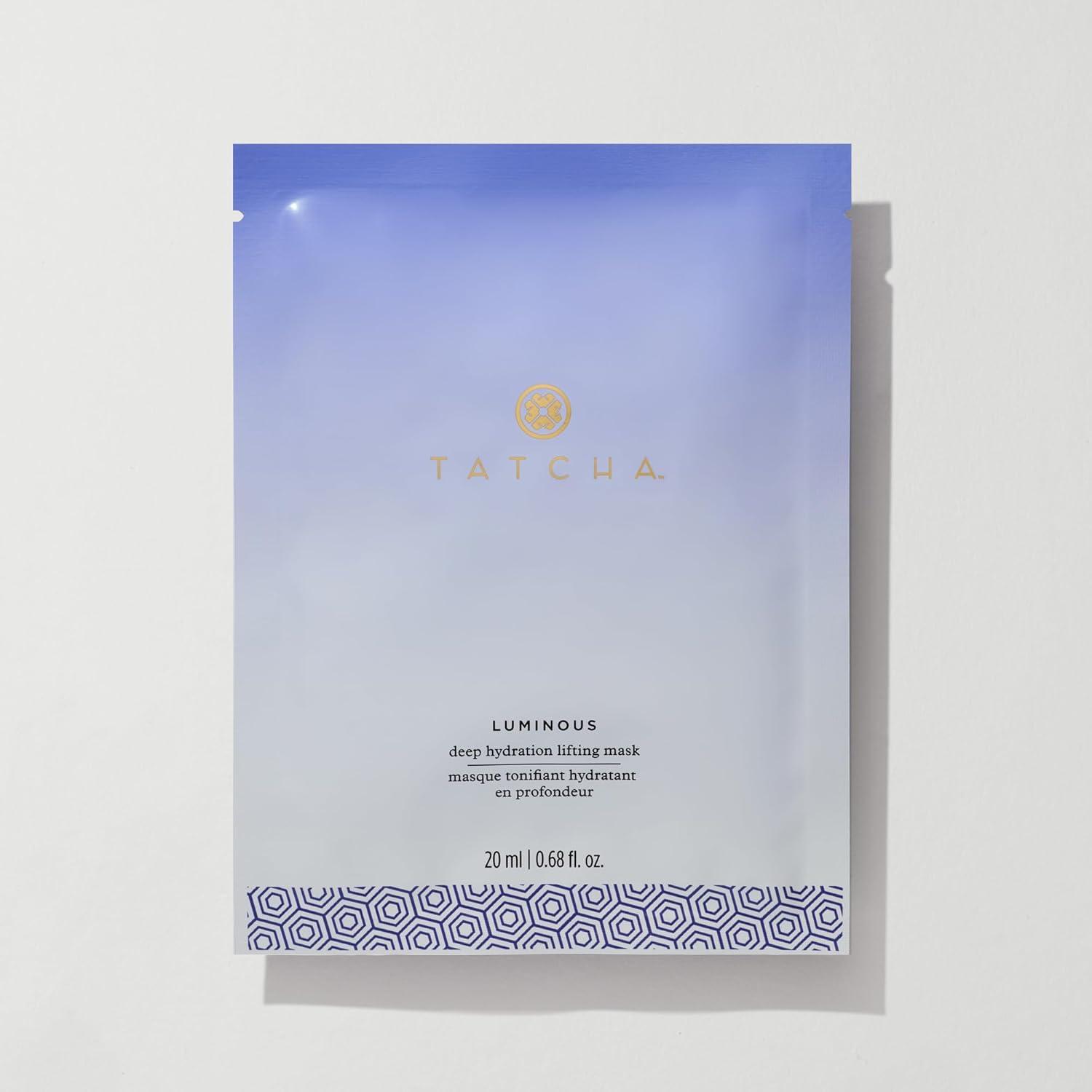
Tatcha Luminous Dewy Skin Sheet Mask
Tatcha
Best for different goals.
Dehydrated skin
Hydrating masks rich in humectants can quickly improve comfort and bounce.
Congested pores
Clay and wash-off treatment masks work best when used strategically rather than daily.
Before an event
Soothing or brightening masks can improve how skin looks under makeup without asking too much of the barrier.
Category FAQ.
How often should I use a face mask?
Most face masks work well once or twice a week, though hydrating options can sometimes be used more often.
Do sheet masks really work?
They can give a temporary hydration and glow boost, especially when the serum formula is well matched to your skin.
Should clay masks be used on dry skin?
Only carefully. Dry skin usually benefits from limited, targeted clay use rather than full-face frequent masking.
Notes before you purchase.
- 01
Choose masks by immediate need: hydration, calming, brightening, or oil control.
- 02
Masks work best as targeted extras, not as replacements for a solid routine.
- 03
A weekly mask that matches your skin state is usually more helpful than rotating too many formulas.