
The best facial cleansers.
Facial cleansers serve the essential function of removing accumulated dirt, oil, makeup, sunscreen, environmental pollutants, and dead skin cells from the skin's surface without disrupting its delicate moisture barrier. While cleansing may seem like the simplest step in a skincare routine, it is arguably the most critical ΓÇö an improperly formulated or harsh cleanser can strip the skin of its natural lipids, leading to dryness, irritation, compensatory oil production, and a compromised barrier that renders all subsequent skincare products less effective. Cleansers are broadly categorized into several types: gel cleansers (best for oily and combination skin), cream cleansers (ideal for dry and sensitive skin), foam cleansers (effective for deep cleansing but potentially drying), oil cleansers (excellent at dissolving makeup and sunscreen), and micellar waters (gentle, no-rinse options for sensitive skin). The double-cleansing method, originating from K-beauty, involves using an oil-based cleanser first followed by a water-based cleanser, and has become the gold standard for thorough yet gentle cleansing, particularly for those who wear heavy makeup or high-SPF sunscreen. The global facial cleanser market reached approximately $24 billion in 2025, with growth driven by increasing awareness of the skin microbiome and the shift toward sulfate-free, pH-balanced formulations that maintain the skin's acid mantle at its optimal pH of 5.5.
Rankings combine ingredient scoring, verified review data, and editorial review — see the full method.
Skip to ranked products ↓The cleanser category in 2025-2026 is experiencing a significant shift toward microbiome-preserving and barrier-supportive formulations. Traditional surfactants like sodium lauryl sulfate (SLS) are increasingly being replaced by gentler alternatives such as coco-glucoside, decyl glucoside, and sodium cocoyl glutamate, which effectively cleanse without stripping the skin's natural oils. The 'low pH cleansing' trend, popularized by Korean skincare brand COSRX with its Low pH Good Morning Gel Cleanser, has gone mainstream, with Western brands like CeraVe and La Roche-Posay reformulating products to achieve optimal pH levels. Enzymatic cleansers containing fruit enzymes (papain, bromelain) are gaining popularity as a gentle alternative to acid exfoliants, offering mild resurfacing benefits during the cleansing step itself. Another emerging trend is the use of prebiotic ingredients in cleansers ΓÇö ingredients that feed the skin's beneficial bacteria rather than destroying them. Brands like Gallinee and Mother Dirt have pioneered this approach, and mainstream brands are following suit. Powder-to-foam cleansers, which offer travel-friendly packaging and extended shelf life, are seeing renewed interest, particularly in the Asian market where brands like Tatcha and DHC have popularized the format. The cleansing balm segment continues to grow as consumers embrace double-cleansing, with products like the Banila Co Clean It Zero and Elemis Pro-Collagen Cleansing Balm consistently ranking among top sellers on retailers like Sephora and Ulta Beauty.
№ 01 — the one to know.
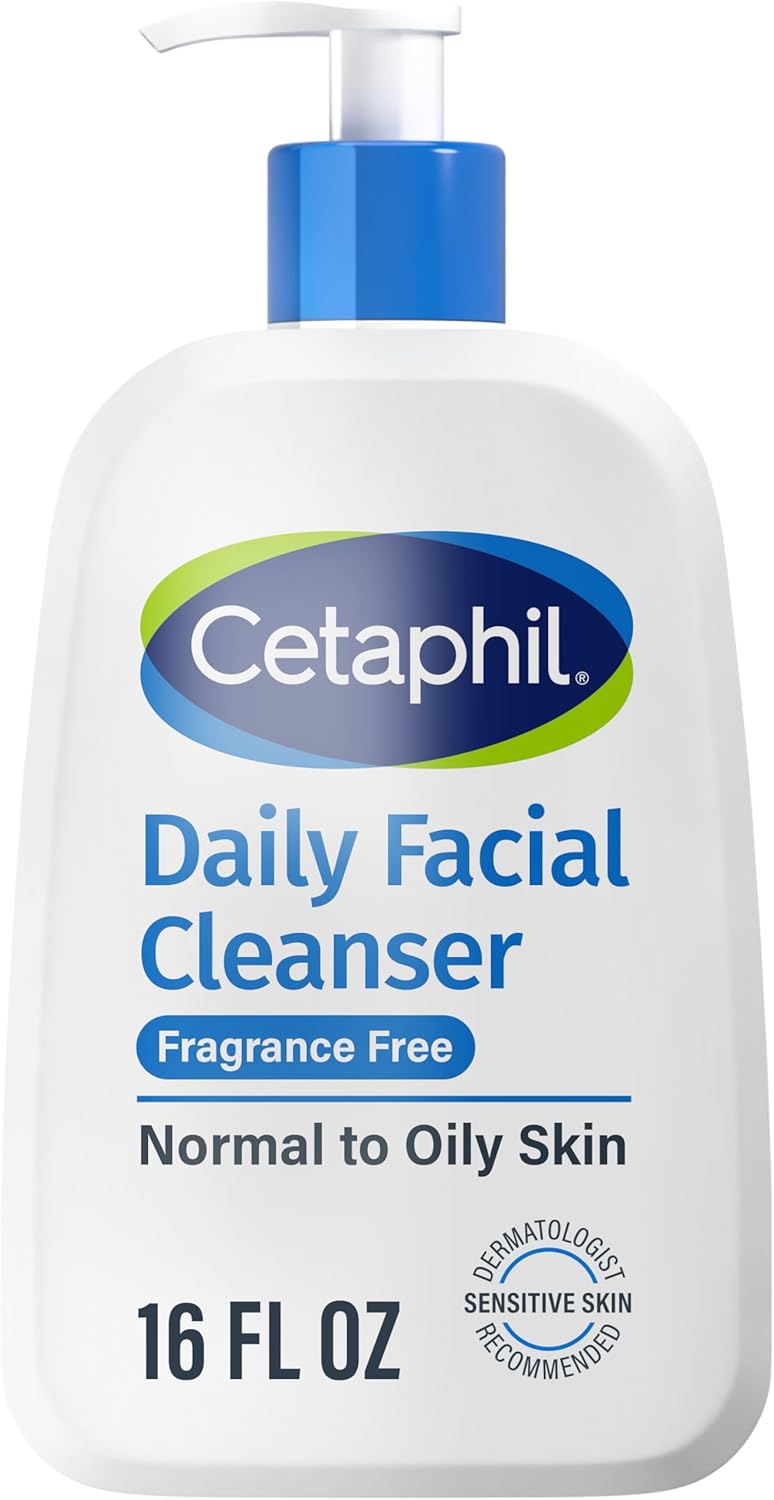
Cetaphil Gentle Skin Cleanser
№ 02 through № 10.
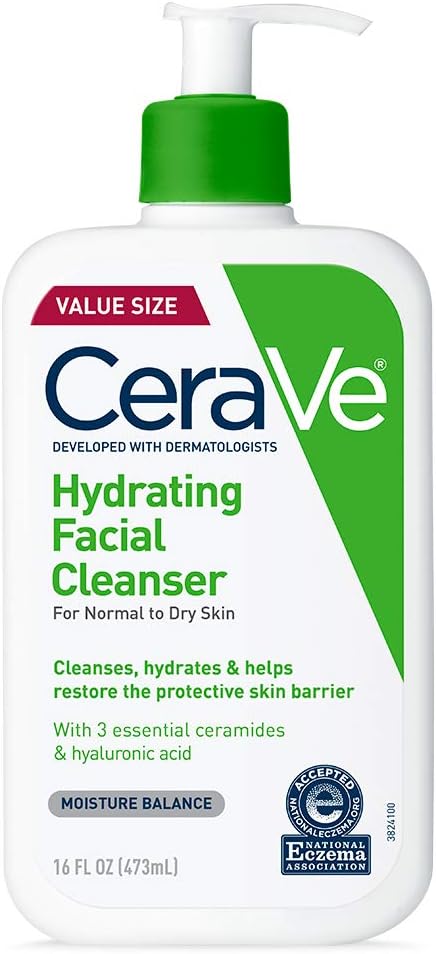
CeraVe Hydrating Facial Cleanser
CeraVe
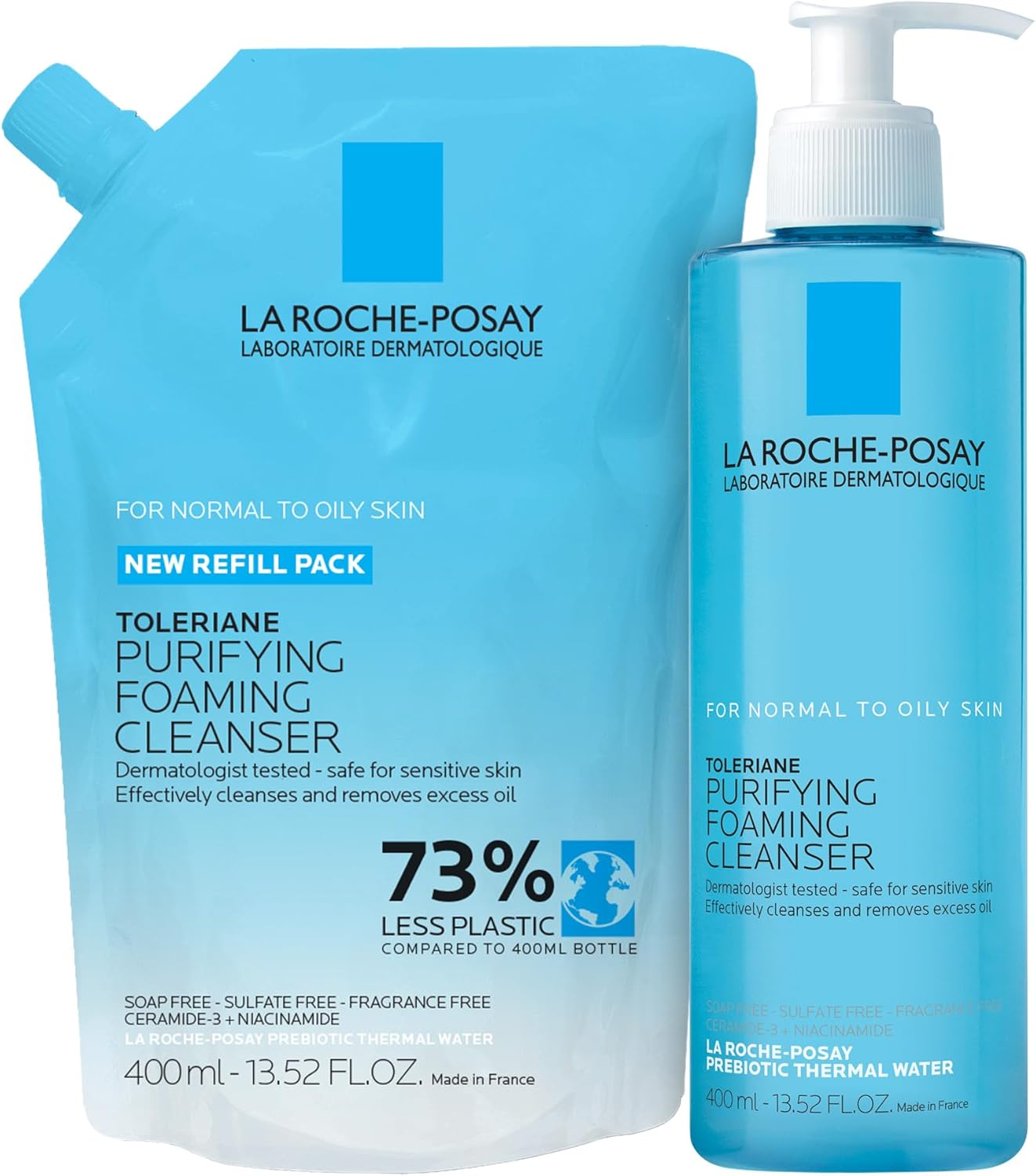
La Roche-Posay Toleriane Purifying Foaming Cleanser
La Roche-Posay
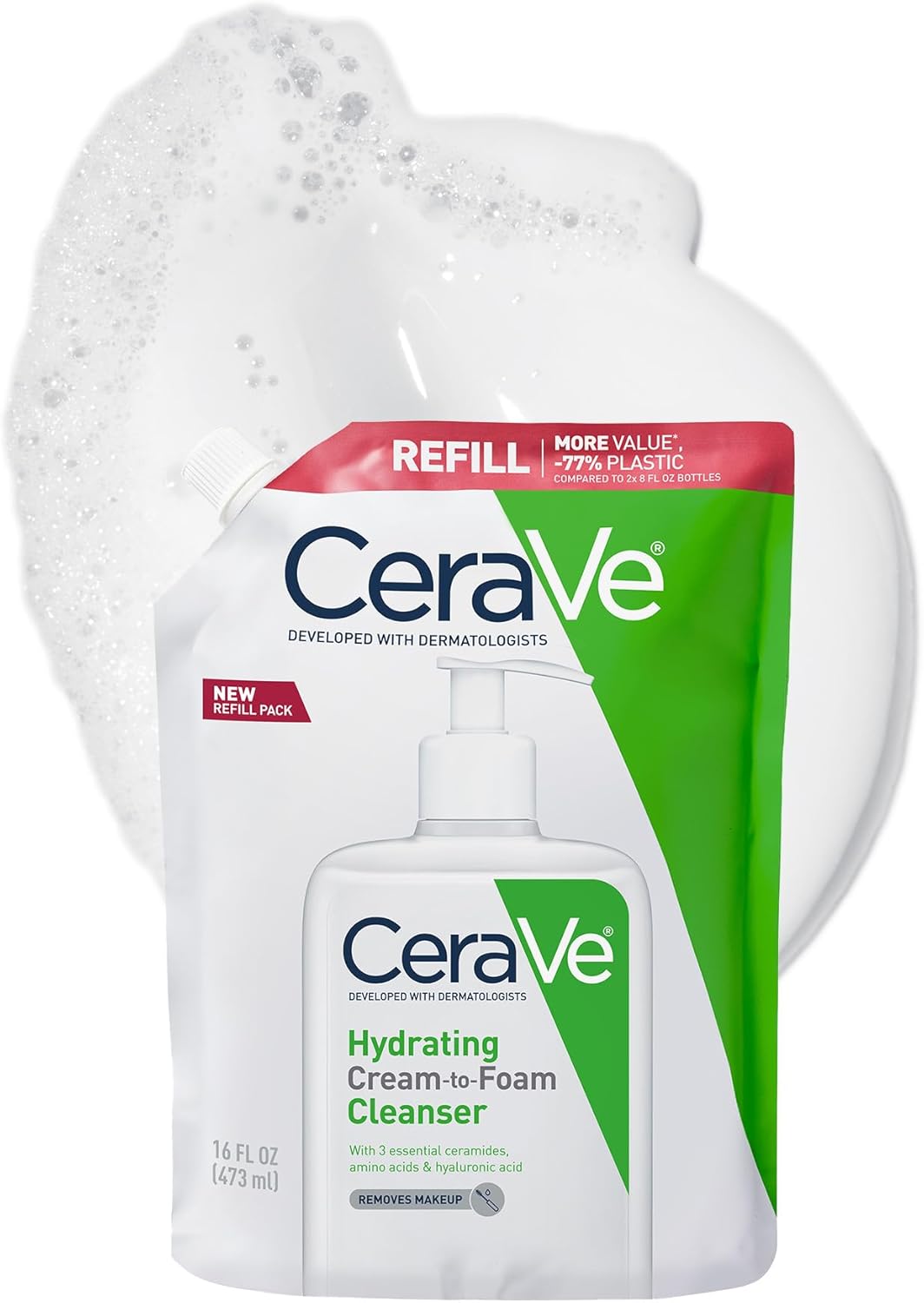
CeraVe Cream-to-Foam Cleanser
CeraVe
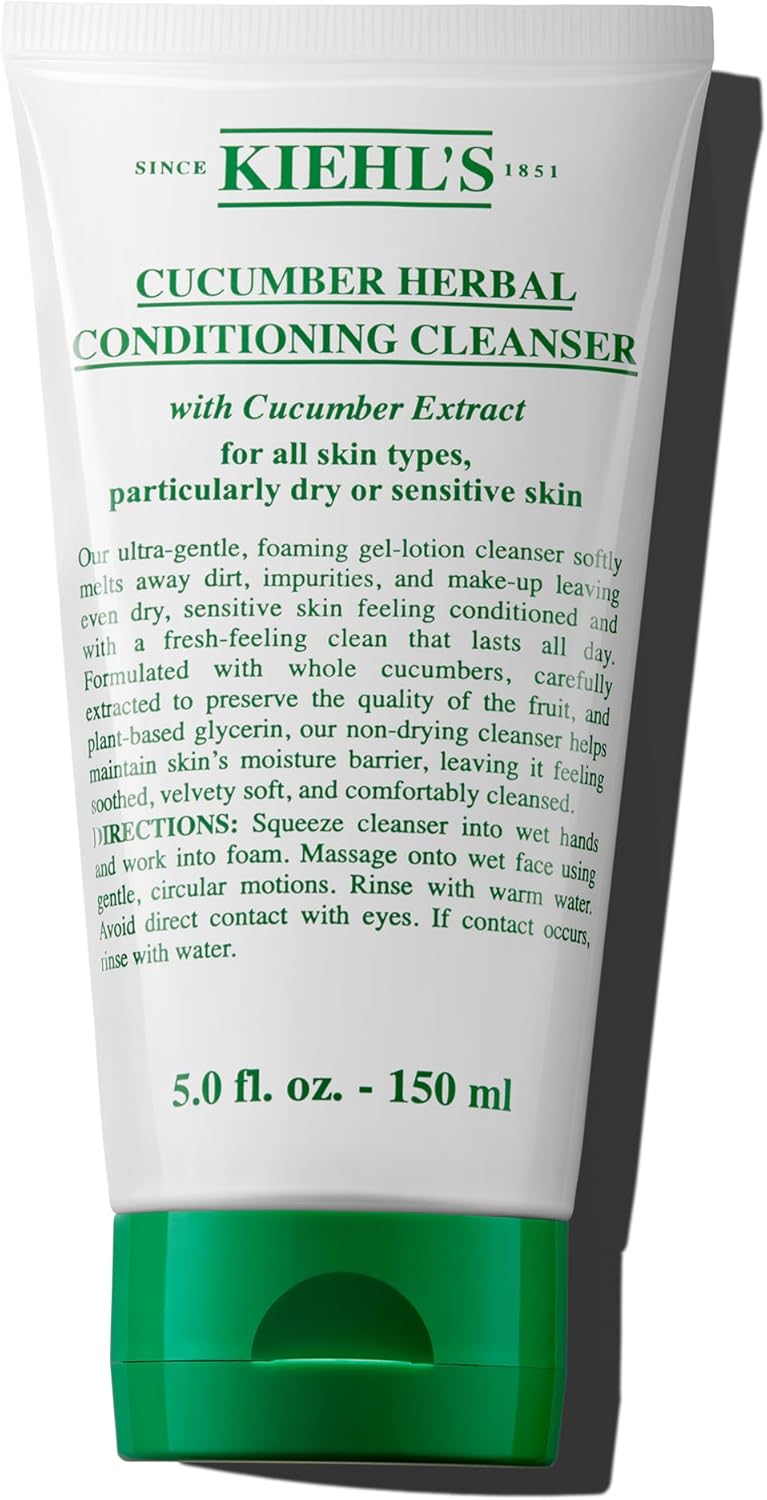
Kiehl's Ultra Facial Cleanser
Kiehl's
Tatcha The Rice Wash
Tatcha
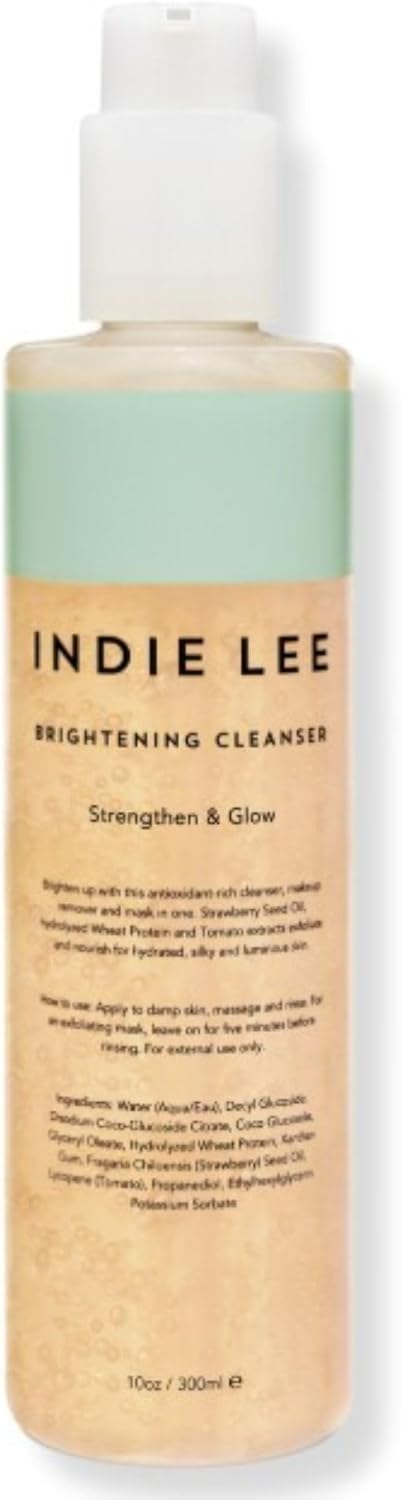
Indie Lee Brightening Facial Cleanser
Indie Lee
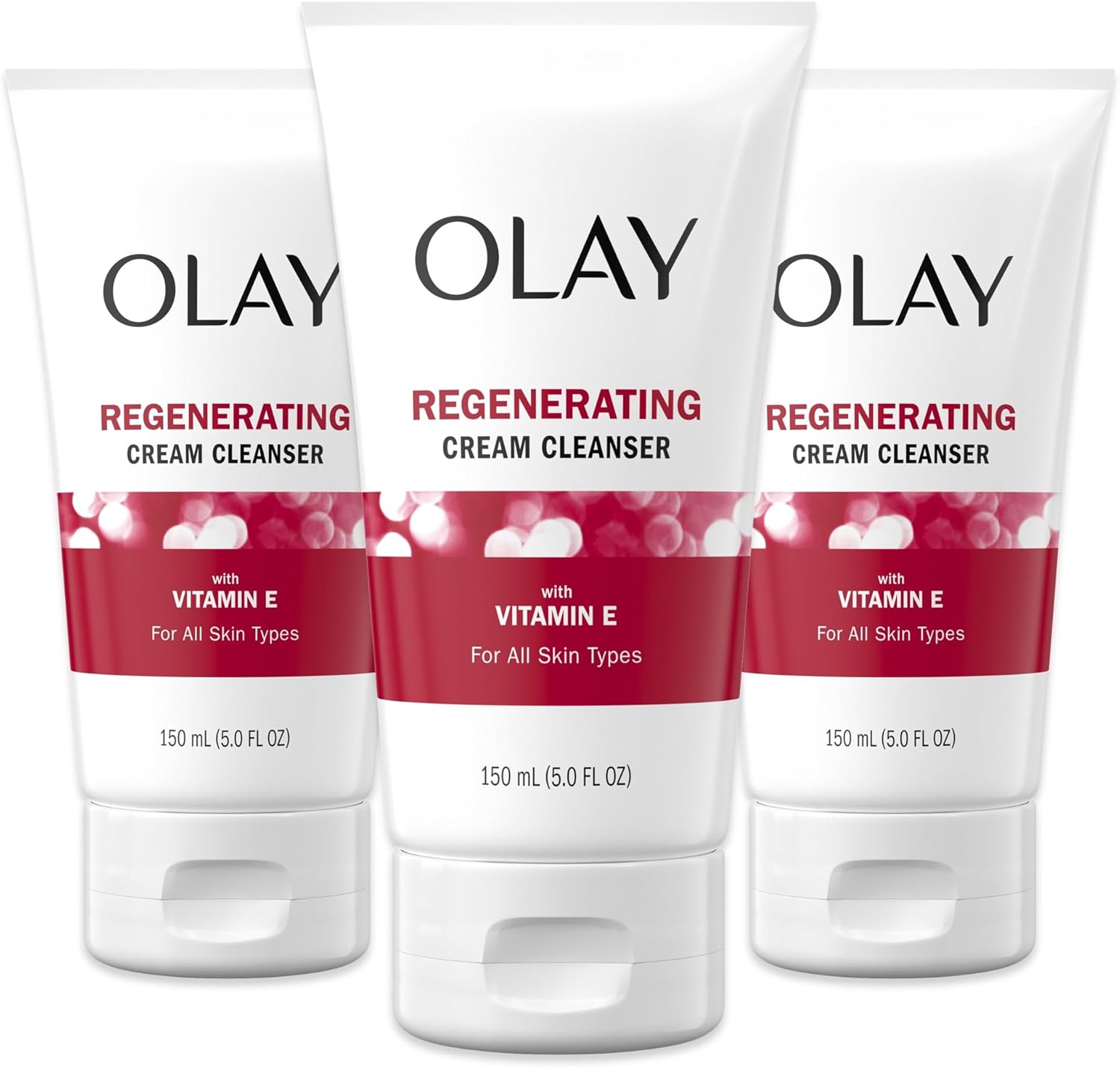
Olay Regenerist Cleanser
Olay
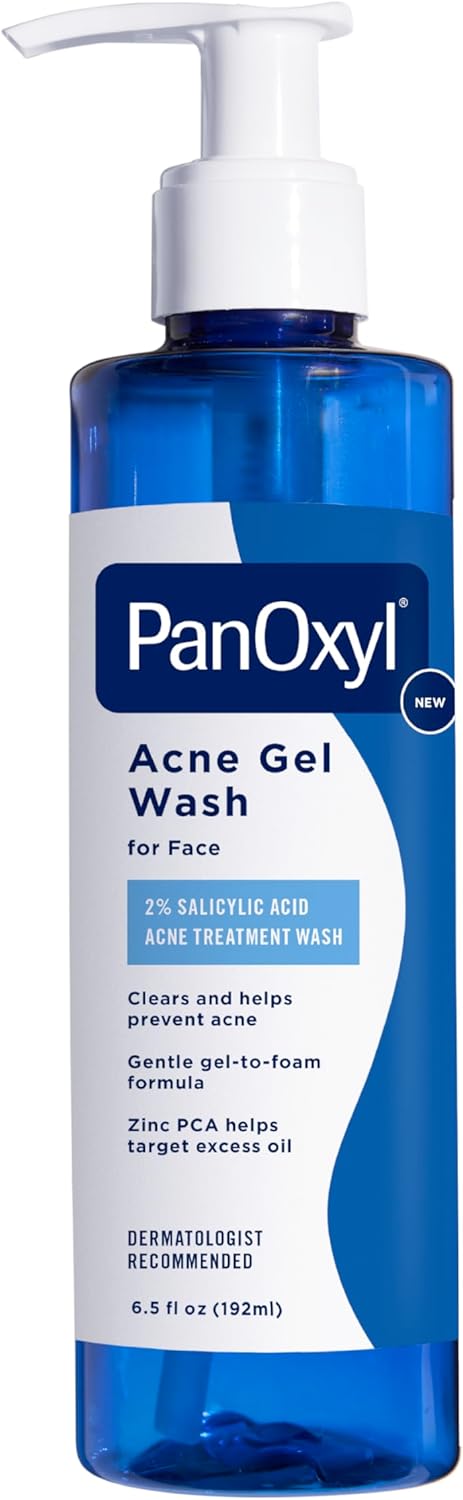
PanOxyl Acne Foaming Wash
PanOxyl
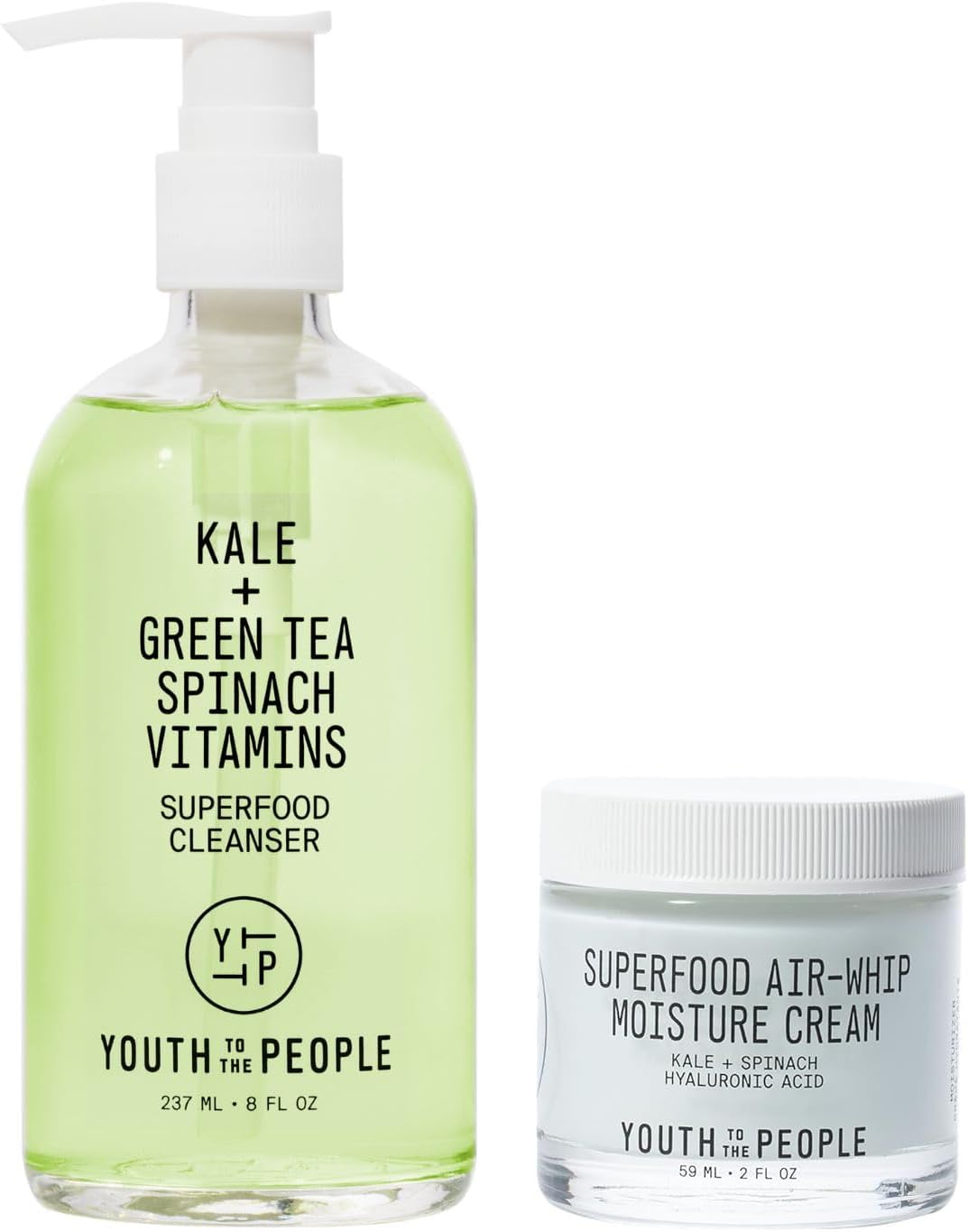
Youth to the People Superfood Cleanser
Youth to the People
Best for different goals.
Sensitive skin
Cream and lotion cleansers with barrier-support ingredients are usually the safest daily option.
Breakout-prone skin
Acne cleansers can help, but harsh formulas should be balanced with barrier-friendly care.
Makeup and sunscreen removal
Double cleansing or cream-to-foam options tend to work best for stubborn residue.
Category FAQ.
How often should I wash my face?
Most people do best cleansing twice daily, though very dry or sensitive skin may prefer a gentler morning routine.
Do foaming cleansers damage the skin barrier?
Not always, but stripping foams can worsen dryness and sensitivity if used too often.
Is micellar water enough on its own?
It can be fine for light cleansing, but many people still prefer to rinse or follow with a proper cleanser.
Notes before you purchase.
- 01
Choose cleanser texture by tolerance level, not just oiliness.
- 02
Low-pH and non-stripping surfactants matter more than dramatic foam.
- 03
If your face feels tight after cleansing, the formula is likely too aggressive for everyday use.